
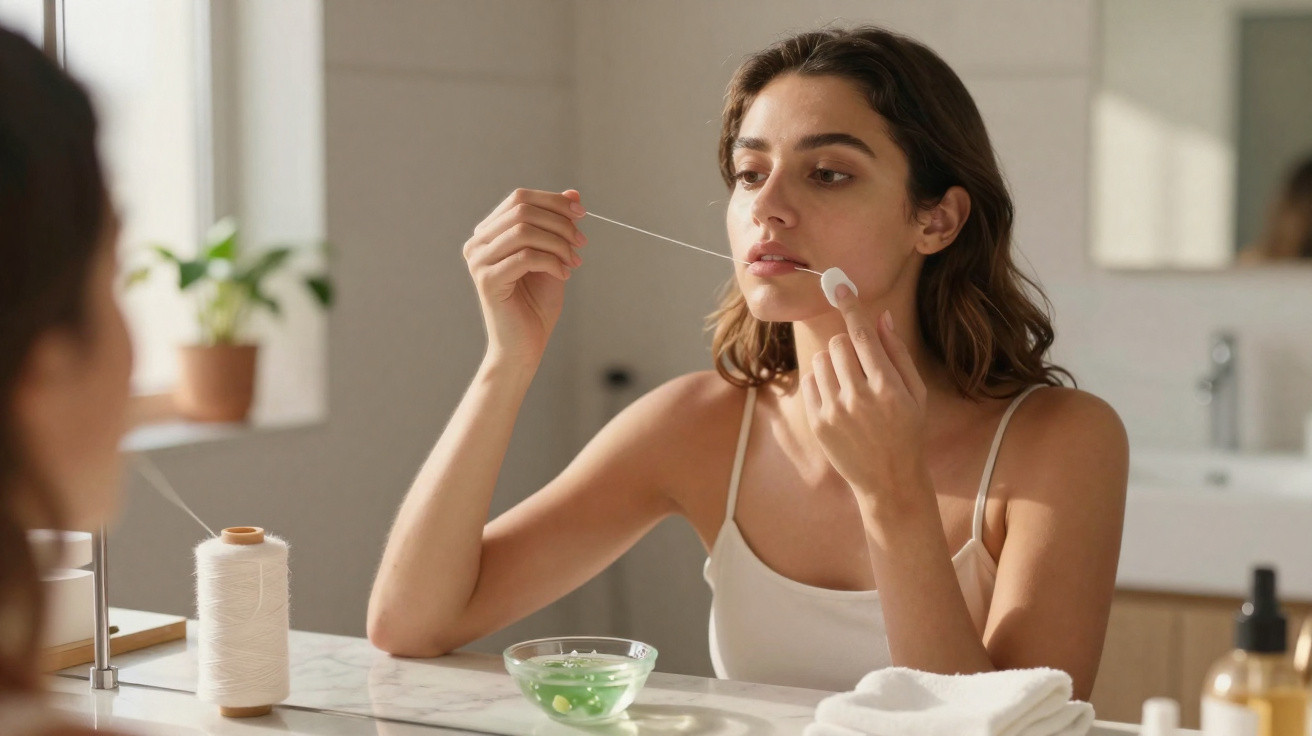
Interest in effective at-home personal care keeps rising. Removing facial hair without triggering severe irritation can be a real challenge for anyone who wants to stay on top of their beauty while keeping a healthy home routine.
How does handmade Egyptian threading work?
This well-known ancient technique uses nothing more than a piece of thread to remove hairs cleanly from the root. It stands out because it does not involve harsh chemical substances on the skin, which makes it ideal for avoiding the usual allergic reaction concerns.
Many people choose this at-home option because it fits easily into a busy day. It offers a thorough clean-up of the face, including very short hairs that standard tweezers cannot grip with the total firmness required.
Key benefits of this traditional cosmetic procedure include:
- Great value: you only need a simple length of thread.
- Maximum hygiene: everything used is discarded straight after the session.
- No allergies: a good option for sensitive skin that reacts to hot wax.
- Impressive speed: it removes multiple unwanted hairs very quickly.
- Longer-lasting effect: because hairs are pulled from the root, results tend to last.
What are the steps to practise this technique?
Learning the method mainly requires patience so you can handle your chosen polyester thread properly. To start, cut a piece of thread roughly the length of your arm, then tie the two ends together with a secure, simple starting knot.
Next, keep the knot sitting inside your hand and twist the thread eight to ten times in a row. This creates a kind of centred “scissor” section, controlled by your fingers, which lets you remove facial hair with excellent, safe motor control.
To see exactly how the finger “scissor” movement should look, watch the full tutorial available on the Pink Academy YouTube channel.
How can you avoid mistakes when removing hair?
Good accuracy while handling the thread helps prevent unwanted marks in the treated area. It is essential to place the twisted section of the thread right up against the hair you are targeting so the removal is fully precise and supports a balanced facial aesthetic.
Focus on shaping
Extra care with eyebrows
Removing hairs from the upper brow area requires extra caution to avoid creating visible gaps.
Stay calm and use slow movements until you have mastered the coordination.
Practising on less visible areas of the body can help you build confidence. This early training improves finger agility and greatly reduces the chance of serious mistakes when carrying out the cosmetic procedure on your chosen facial area.
Useful tools that can help you achieve a neat finish include:
- Strong polyester thread for the main removal.
- Standard metal tweezers to take out a few isolated hairs.
- A magnifying mirror to see fine details more clearly.
Why is polyester the best thread?
Choosing the right thread directly affects how successful your facial routine will be. This particular synthetic fibre glides very smoothly over human skin, reducing friction and helping you achieve precise removal without snapping during your planned at-home hair removal.
Another advantage is the low price in local haberdashery and sewing shops. Easy-to-find, affordable supplies make it simpler to maintain ongoing beauty care at home, keeping the habit sustainable for anyone looking to save on daily personal aesthetics.
Reasons to choose polyester over other threads:
- High mechanical strength, so the thread does not keep breaking.
- Smooth glide that minimises discomfort on sensitive skin.
- Easy to find in most haberdashery and notions shops.
How do you keep skin healthy after hair removal?
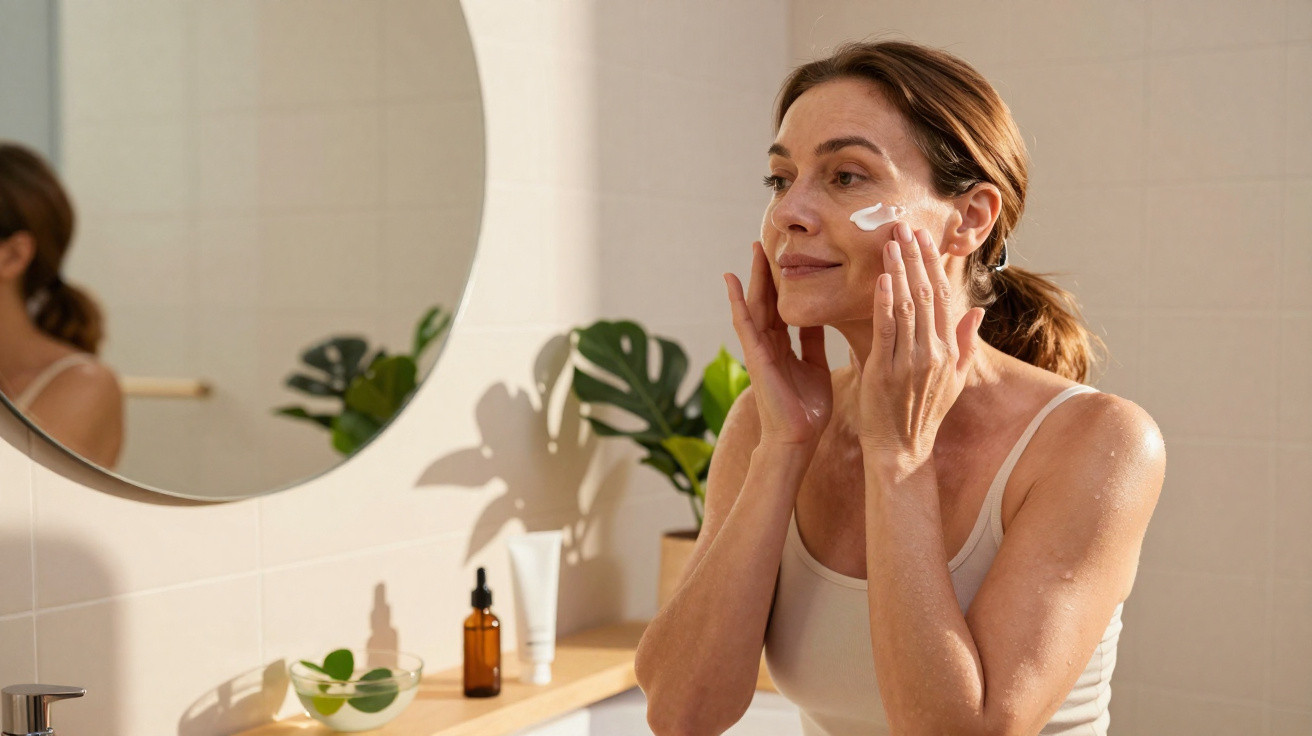
The final step needs care to soothe newly treated skin. Applying gentle products helps close open pores, reducing unwanted redness and ensuring your face stays properly protected from external impurities once your at-home self-care is complete.
If you also use razors on other parts of the body, learning the correct techniques is important to avoid discomfort. Always look for effective alternatives that support hair removal without irritation, keeping your skin barrier protected.




Comments
No comments yet. Be the first to comment!
Leave a Comment