
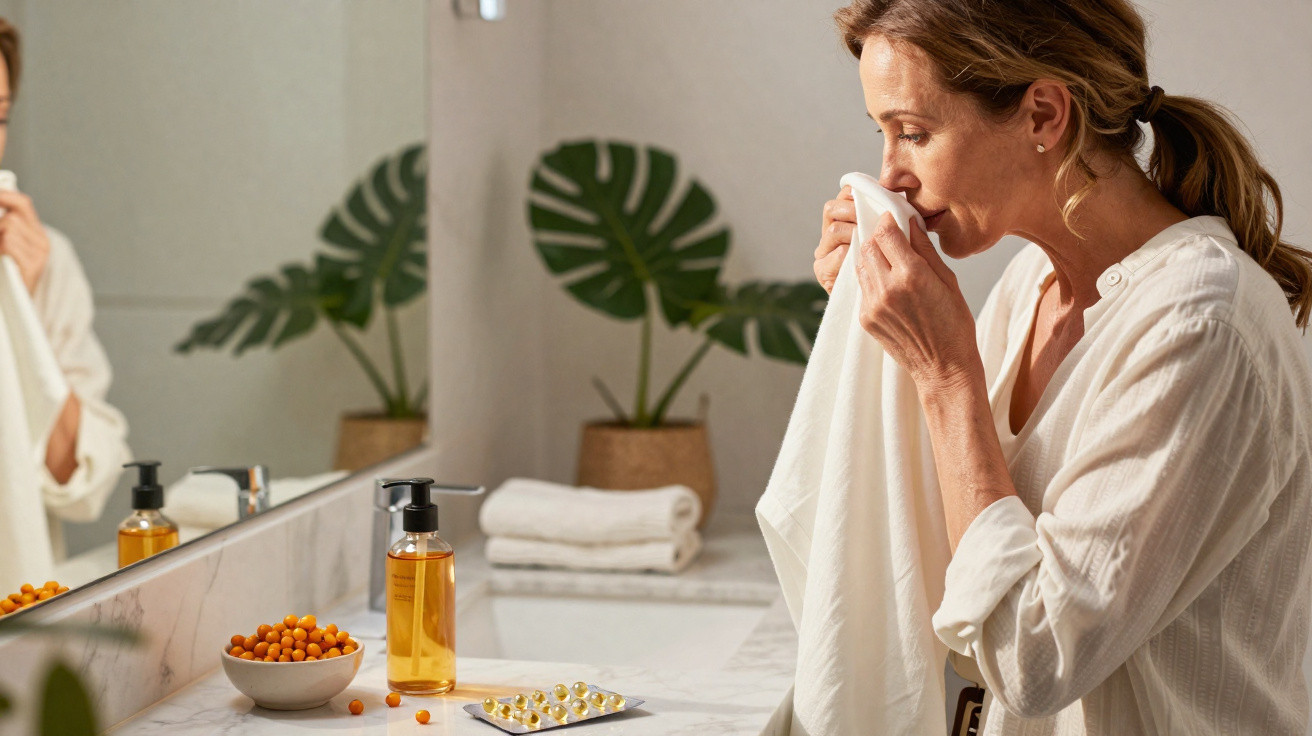
Living with older relatives often brings to light a biological phenomenon that is quite distinctive yet widely misunderstood. A particular body odour is frequently-and wrongly-put down to poor personal care, while the chemical drivers linked to the evolution of human skin in maturity are overlooked.
Why does body odour change with ageing?
As the years pass, the body goes through a range of deep, unavoidable metabolic shifts. When the production of certain substances changes, the skin’s natural scent changes with it-something that is entirely normal within healthy development and everyday biological chemistry.
It is common for carers and family members to become overly anxious when these new scents appear at home. Understanding that the change is triggered by internal molecular reactions helps to remove unfair assumptions about an older person’s hygiene and self-care.
How does the true aroma of maturity appear?
Ageing naturally alters the skin’s acids, producing a specific substance that does not disappear with a shower… Read more
What is the substance 2-nonenal?
Scientific studies indicate that a particular molecular compound is chiefly responsible for this shift in aroma. It forms continually on the surface of the skin through lipid breakdown, clinging to fabrics and contributing to that persistent, highly characteristic odour.
It is important to recognise that this chemical element does not dissolve easily in water or ordinary soap. That is why repeated attempts to remove it solely through more frequent bathing often fail-highlighting that the issue stems strictly from biological factors within the skin.
Below is a video from the SciShow channel on YouTube that explores the points discussed in this topic in more depth:
How does lipid oxidation happen?
Ageing lowers the body’s natural defences against environmental effects. As a result, the breakdown of compounds present in the dermis increases, producing volatile by-products that shape the signature scent associated with advanced age.
These reactions take place continuously throughout the day, regardless of whether scented cosmetic products are used. In this way, the resulting body fragrance reflects an unavoidable biological transition, reinforcing the molecular changes that come with maturity in a completely safe and spontaneous manner.
Understanding Skin Chemistry
Main components of the process
Three fundamental elements act directly in this natural evolution of the skin:
- 1 Omega-7 fatty acids that increase on the surface over time;
- 2 Lipid oxidation accelerated by reduced antioxidant defences;
- 3 Continuous production of the volatile compound known as 2-nonenal.
What role do omega-7 fatty acids play?
Over time, lipid levels on the skin’s surface often rise noticeably. Among these are substances that serve as raw material for new compounds, forming the essential basis for the emergence of chemical changes in old age.
This increased production is not tied to diet or the lifestyle a person has chosen. It is a natural, internal response: the body boosts sebum secretion and creates the ideal conditions for reactions that produce the aroma commonly associated with the older population.
To cope more smoothly with these changes in day-to-day care, a few straightforward steps can help:
- Encourage regular ventilation of living spaces;
- Use suitable laundry products for delicate fabrics;
- Clean bed linen more frequently each week.
How can you deal with these biological changes?
Managing this situation well calls for patience and empathy from everyone in the family. Rather than centring on excessive cleaning, it is better to prioritise fresh, well-aired rooms and a warm, affectionate approach to the person resident in this wonderful phase.
Accepting the body’s changes over time is vital for ensuring ageing remains dignified, calm, and healthy. Clearing up myths about where these body odours come from strengthens emotional bonds and supports a far more welcoming care environment-one built on genuine respect and shared comfort.



Comments
No comments yet. Be the first to comment!
Leave a Comment