
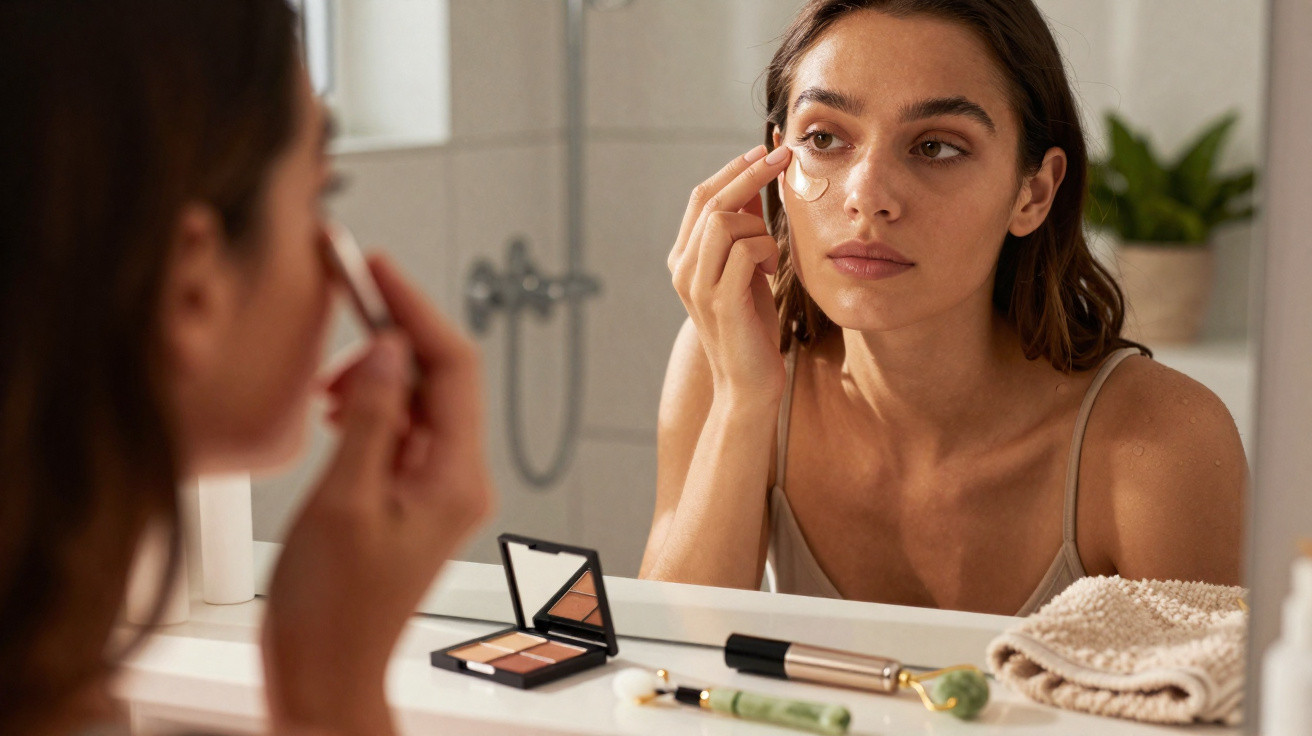
Dark patches around the eyes, commonly called dark circles, are a frequent concern associated with genetics, poor sleep, skin ageing and everyday habits. Although they do not pose a direct health risk, they can affect how you look and often lead people to search for both quick make-up tricks for instant camouflage and longer-term care or procedures that can help lessen the darkness over time.
What are the main causes of dark patches around the eyes?
Dark circles may be inherited, linked to thinner, more translucent skin, or caused by a build-up of melanin, which makes the area around the eyes appear darker than the rest of the face. On top of that, as collagen and firmness naturally decline with age, the groove under the eyes can deepen, creating ongoing shadowing.
Poor sleep, stress, allergies, prolonged screen time, alcohol and smoking can all aggravate the issue by causing vessel congestion and emphasising a tired-looking appearance. In some situations, hormonal factors, chronic rhinitis and rubbing the eyes too much can also contribute to increased pigmentation.
How can make-up conceal dark circles quickly and lightly?
Make-up can help neutralise the darker colour and even out the skin tone, as long as you work with the delicate contours of the area. Properly prepping the under-eye and opting for lightweight textures helps prevent product build-up, creasing and that heavy finish that can make the face look older.
A few straightforward steps can make coverage more effective and comfortable for day-to-day wear, while keeping the result natural-even for very noticeable dark circles or mature skin:
- Hydrate the area: apply an eye-specific cream to reduce dryness and fine lines.
- Apply a lightweight primer: softens pores and creases, helping concealer sit more smoothly.
- Use a concealer with the right undertone: peach, salmon or orange tones can neutralise bluish, purplish or greyish darkness.
- Choose a light-to-medium coverage foundation: use a small amount, only to even out the face.
- Set with a finely milled powder: use very little, just to improve wear time without emphasising lines.
Watch a video on the YouTube channel Amanda Pastore showing a few techniques for concealing dark circles:
Which products work best for each skin tone when concealing dark circles?
Getting the concealer shade right can completely change the outcome, preventing the under-eye from looking ashy or overly pale. On fair skin, dark circles tend to look more blue or purple, and usually respond well to peach or salmon correctors used before a concealer that matches the skin tone.
On medium and deep skin tones, the discolouration is often dark brown or greyish, which can improve with a thin layer of an orange or slightly red-toned corrector. Always test in natural light, choose fluid or lightweight creamy textures, and apply with gentle tapping motions to keep the coverage looking good and feeling comfortable throughout the day.
What care and treatments help improve dark circles over time?
Beyond make-up camouflage, routine changes can gradually reduce under-eye darkness. Cold compresses, a consistent sleep schedule with the head slightly elevated, adequate hydration and daily sunscreen around the eyes can help lessen puffiness and prevent the skin from darkening further.
Eye products containing vitamin C, caffeine, niacinamide, hyaluronic acid and peptides can support gradual brightening, improved firmness and a less tired appearance. When dark circles are very pronounced, a professional may recommend gentle peels, laser, intense pulsed light, or hyaluronic acid filler-assessing whether the concern is primarily pigmented, vascular, structural or mixed, and then combining approaches in a safe, progressive way.




Comments
No comments yet. Be the first to comment!
Leave a Comment