
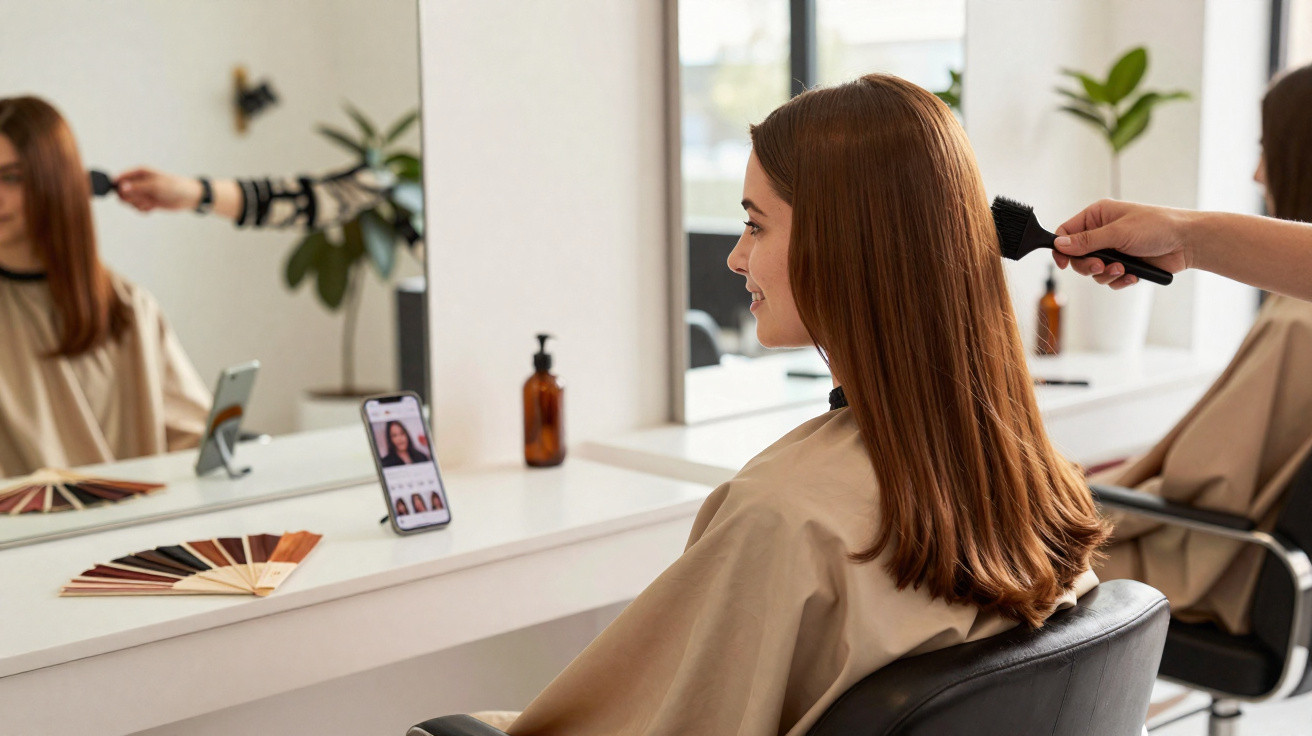
For the past few years, it has felt as though hair salons have only talked about one thing: balayage, ombré, face-framing pieces, endless highlights. Now the mood is shifting. Of all things, a very simple, very clean colouring technique is becoming the new favourite among professionals, influencers, and anyone who has had enough of constant touch-ups.
What’s behind the new one-colour colouration
The trend everyone is discussing right now is known in salon speak as “monochromatic colouration”. Behind the slightly technical name is a surprisingly straightforward idea: one single hair colour from roots to ends - no highlights, no gradient, no lighter lengths.
Where balayage and similar techniques lean on contrast, this approach is all about total uniformity. The aim is a solid block of colour that feels calm, looks polished, and reflects light evenly.
"One shade, one look, maximum impact – one-colour colouration is the answer to the trend for pared-back, groomed-looking beauty."
That is why the key is not an intricate placement pattern, but the chosen shade itself. Common options include:
- a clear, slightly creamy blonde
- a rich, cool chocolate brown
- deep hair that’s almost lacquer-black
- warm copper or an intense rust red
The better the shade suits your skin tone - and the higher the shine - the more modern the result looks. Many stylists describe it as a deliberate “block of colour”, kept intentionally simple, much like minimalist fashion.
Why it can make hair look thicker and healthier
A major reason for the hype is the visual effect. Evenly coloured hair catches and reflects light like a mirror. There are no breaks caused by lighter strands that interrupt the eye.
The result is a very smooth sheen that people quickly associate with healthy hair quality. Even if the hair is fine, it tends to appear denser and stronger.
"If you want more fullness when you look in the mirror, a uniform colour often delivers more than extra layers or extensions."
Visually, this is what happens:
- The colour reads as one continuous surface across the whole head.
- The lengths look fuller because there are no pale sections that suggest “gaps”.
- The shine runs evenly through the hair, rather than jumping between lots of small reflections.
At the same time, the trend fits perfectly with today’s focus on “Healthy Hair”: instead of attention-grabbing effects, the priority is the impression of well-kept, glossy hair styled with a deliberate, understated finish.
Less hassle: how low-maintenance the new trend is
Another advantage of one-colour colouration is the effort involved - more precisely, the lack of it. Balayage looked appealing for so long because the regrowth can appear softer. In real life, though, it often means hours in the salon, corrections, glossing, and toners.
With an even colour, the regrowth is more obvious, but it doesn’t look like such a style clash as long as the shade is not wildly different from your natural base. Many people can stretch the time between appointments considerably.
- Time between colouring appointments: often 8–12 weeks instead of 4–6 weeks
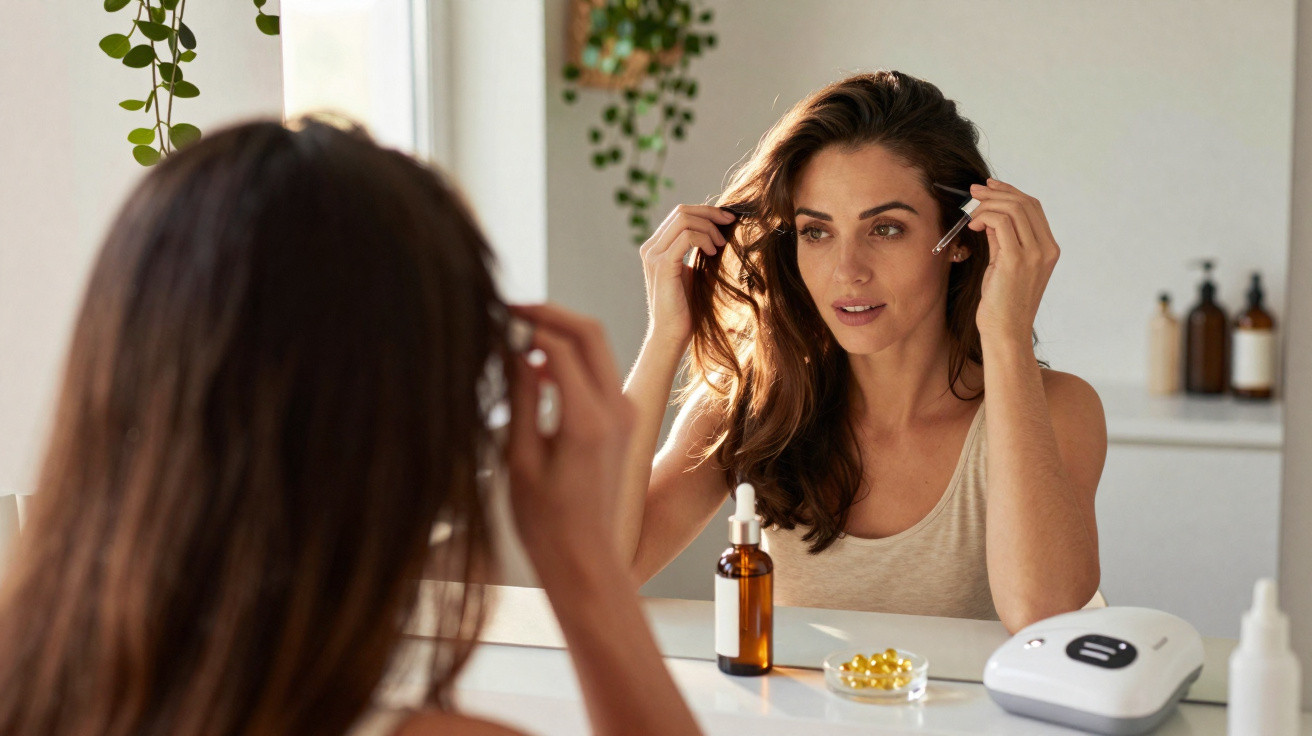
- At home, glossy care products are usually enough to boost shine
- Semi-permanent colour or colour-depositing masks can refresh the tone without immediately needing a professional visit
Especially in spring and summer - when travel, festivals, and weekend trips fill the diary - this is appealing: the hair stays simple, the look doesn’t read as “grown out”, and morning styling is quicker.
How big the trend is on social media
On Instagram and TikTok, more and more videos show hairdressers literally colouring over elaborate balayage looks and turning them into a single, uniform shade. Under hashtags such as “monochromatic blonde”, users share cool, even blondes that look refined - almost luxurious - while still being tagged as “low maintenance”.
"Glossy, full blocks of colour are gradually replacing the previously ever-present highlighted gradients."
Many salons say clients arrive with screenshots of influencers whose hair, at first glance, looks “just brown” or “just black”. Only on a second look do you notice how perfectly matched the tone is, and how high-shine the finish appears.
Who one-colour colouration suits particularly well
In principle, the trend works across hair textures, but some people benefit especially:
| Hair type | Benefit of one-colour colouration |
|---|---|
| Fine hair | Looks denser and more even, less “stripy” |
| Frizzy or curly hair | Curls read more clearly, fewer “busy” effects |
| Heavily lightened hair | Can be calmed down and made to look visually “repaired” |
| Very dark natural colour | Clear, saturated shades look more polished than lots of light highlights |
If you want to disguise a lot of grey hair, an all-over colour also creates a calmer overall picture than scattered highlights. The key is still to choose a tone with your stylist that doesn’t look too harsh or artificial.
How to choose the right shade with your hairdresser
The heart of this trend is not the method, but getting the colour match right. Good stylists consider your skin undertone, eye colour, day-to-day life, and styling habits.
Typical questions in a consultation include:
- How often do you style your hair with straighteners or a curling wand?
- Do you tend to wear gold jewellery or silver jewellery? (a clue to warm or cool undertones)
- How big can the difference be compared with your natural hair colour?
- How often are you willing to re-colour?
For instance, if you’re prone to redness, very cool, ashy tones can quickly make you look washed out. People with an olive skin tone can, by contrast, glow in warm copper or cognac shades. One-colour colouration is less forgiving than balayage - the tone has to be right, because nothing distracts from it.
Risks, aftercare and smart combinations
Even though the trend looks simple, a full colour can stress the hair fibre - especially if repeated lightening is involved. Without supportive care, dry ends and dull shine can follow, which is the exact opposite of what this look promises.
Useful add-ons include:
- bond-building treatments in the salon during the colouring service
- shampoos and conditioners designed specifically for colour-treated hair
- heat protection before blow-drying, straightening, or using a curling wand
- a glossing service every few weeks for a refreshed sheen
If you want to be bolder, pair the even colour with a sharp haircut: a blunt cut, crisp bob lines, or a straight-cut fringe looks far more modern with a single, consistent shade than with lots of fine highlights. The result is a look that’s intentionally minimal, yet still clearly styled.
Blonde shades are evolving in an interesting way too. Instead of an ever-lighter, “sun-kissed” balayage blonde, more mid-level, slightly muted blondes are appearing - still luminous, but less extreme. They suit many people who want to stay blonde, just not at any cost with heavy lightening.
If you’re thinking about changing an older balayage look, you don’t have to go radically overnight. Many professionals suggest a transition plan: first apply a uniform tone through the lengths, then gradually even out the remaining highlights over time. That way you ease visually into the new trend without feeling as though you’re giving up your hair identity.


Comments
No comments yet. Be the first to comment!
Leave a Comment