
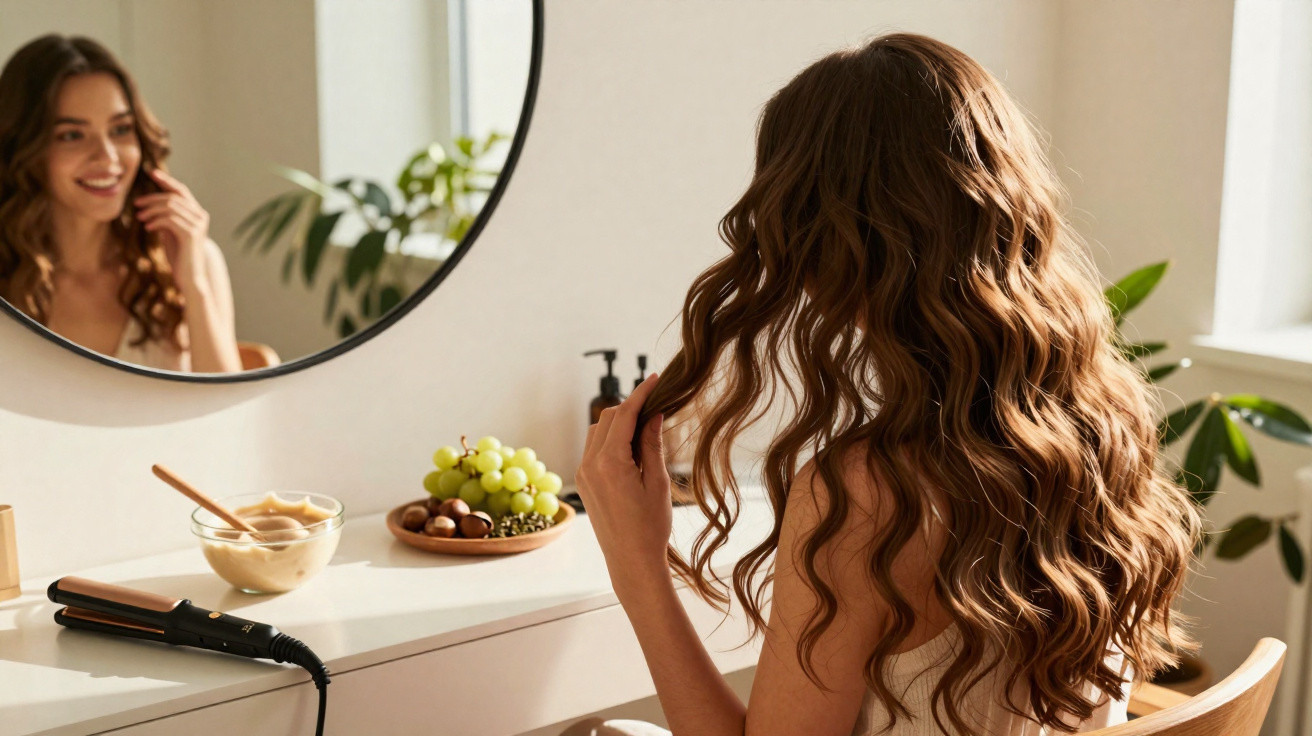
Hair straightening is no longer synonymous with using straighteners every day and ending up with damaged hair. Newer hair-treatment methods put health, shine and frizz control first, without relying on excessive heat. In salons-and even at home-options such as taninoplasty are becoming popular with people who want straight hair that still looks natural.
What has changed in straight-hair techniques?
The goal has shifted away from a stiff, artificial finish towards straighter hair that feels lighter, with movement and a soft touch. Many current procedures treat the hair fibre while they smooth and align the strands, meaning there is less need for frequent straighteners and blow-drying.
This progress comes from combining organic actives, gentle acids and proteins that help restructure each strand. Results can be noticed from the first applications: less frizz and a more polished look, even without finishing with high heat.
How does taninoplasty reduce frizz without harshness?
Taninoplasty uses tannins-natural compounds taken from plants-to create gradual straightening. Unlike older methods, it does not aggressively break down the hair’s structure, which helps limit damage and preserve elasticity.
During the service, the product coats the hair fibre and reshapes the strand’s form. This keeps frizz under control and boosts shine without demanding extreme temperatures. As a result, many people can keep their hair straighter for longer without reaching for straighteners every day.
What are the benefits of avoiding excessive heat?
Cutting back on heat tools has a direct effect on hair health. Too much heat strips natural moisture and weakens the hair structure, which can lead to breakage and split ends.
With less aggressive straightening approaches, day-to-day improvements are often noticeable:
- Less dryness through the lengths;
- A clear reduction in everyday frizz;
- Longer-lasting blow-dry results or smoother alignment;
- More even shine and a silky feel.
Does straightening without straighteners work for all hair types?
Not every hair type responds in the same way, but today’s techniques are more flexible. Wavy, curly and even more resistant hair can achieve either a straight-hair effect or simply a more aligned finish, depending on the goal.
The end result depends on the strand structure and the frequency of the treatment. In some situations, the outcome is frizz and volume reduction rather than complete straightening. Even so, that can significantly reduce the need for excessive heat in your routine.
Essential care to keep a natural straight effect
Maintaining the look requires a hair routine that matches the procedure. The right products help extend the straightening effect and stop frizz from returning quickly.
A few everyday habits make a real difference:
- Use shampoo without harsh sulphates;
- Commit to weekly hydrating masks;
- Apply heat protection even when using heat only occasionally;
- Avoid washing your hair with very hot water.
Why has this new approach become a trend?
The drive for practicality and hair health has pushed this shift forward. Few people want to depend on straighteners every day to keep hair straight-especially when that routine can increase frizz and wear the hair down over time.
Techniques such as taninoplasty show that it is possible to smooth, treat and reduce volume without constant exposure to excessive heat. The result is a more natural-looking finish, with genuine shine and hair that responds better to daily care.



Comments
No comments yet. Be the first to comment!
Leave a Comment