
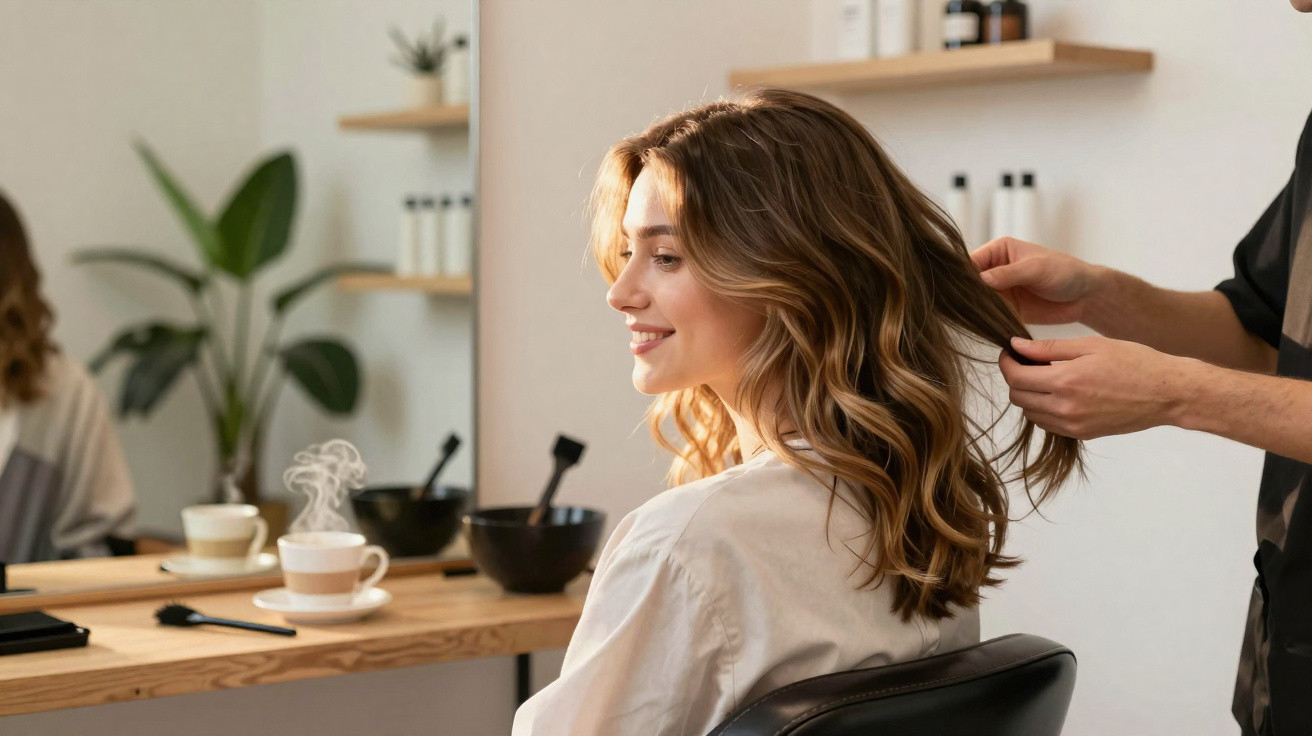
The woman in the salon chair ahead of me is flicking through old selfies, enlarging the yellow bands threaded through her hair. She pulls a face. “Why did nobody tell me this looked like a zebra?” she laughs, though she clearly means it a little. All around us, foils rustle, toners run, and phones light up with Pinterest boards packed with hair references.
Yet something subtle has shifted on every screen. Chunky balayage, high-contrast money pieces and that “I spent 4 hours at the salon” blonde are on their way out. Brightness remains, but it is gentler, airier and nearly imperceptible at first.
Colourists keep murmuring the same phrase: light line.
People are no longer requesting highlights. They are asking for a mood.
From “I got my hair done” to “I woke up like this”
The defining contradiction of spring–summer 2026 hair colour is that we still want radiance, lightness and dimension - only with no clear point where the colour begins or ends. Light line colour delivers precisely this: an almost undetectable wash of brightness that grazes the hair like late-afternoon sunlight across glass.
There are no distinct streaks to spot. Instead, the hair seems to hum with an all-over glow, creating a halo that shifts as you do. It feels more like a filter than a colouring service, and more like flattering light than fresh colour.
Rather than altering your hair itself, this trend changes its atmosphere.
Colourists liken it to tracing one unseeable thread of light through the hair, rather than distributing bright sections throughout it. Its influences include Korean “no-makeup makeup”, Scandinavian blondes with a naturally grown-out appearance, and TikTok clips in which someone walks into sunlight and their hair instantly appears expensive.
A Paris salon says requests for traditional highlights have fallen by almost 40% during the last year, while demand for soft, full-head brightening has doubled. This is not a fleeting micro-trend; it is a major change.
We all know the feeling of leaving the salon and thinking, “This is… too much.” Light line offers the complete reverse.
How light line colour creates seamless brightness
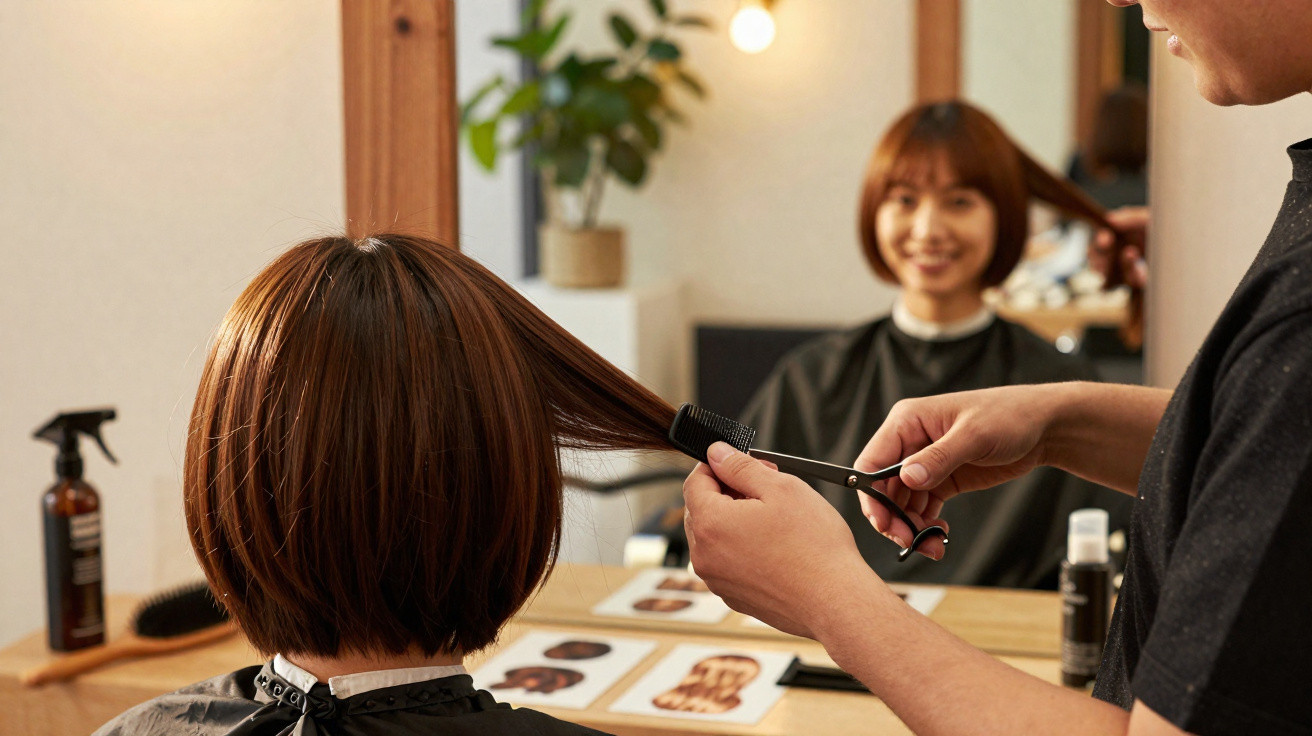
What is happening technically? Rather than applying foils to individual strands, colourists use highly diluted lightener and translucent glazes across sheets of hair or broad sections. The aim is continuity rather than contrast: like raising the brightness by one or two levels, rather than turning on a spotlight.
Colour flows from root to tip with virtually no obvious starting point. The “line” is an idea, rather than a literal stripe: a soft route of illumination through the hair that honours your base colour, texture and even your baby hairs.
Honestly, hardly anyone wants to book a three-hour foil appointment every six weeks now.
How to ask for a “light line” without leaving the salon in tears
Begin by requesting “soft overall brightness” rather than “highlights”. That small change in language establishes the right direction. Next, open your camera roll and show your colourist images of your own hair in natural daylight, rather than another person’s flawless Pinterest blonde. Say: “I want this, but slightly brighter, like a glow that runs through everything.”
Request a lived-in root area and a soft hairline. As the light line look depends on movement, ask for the lightest points to fall where your hair naturally catches the light: around the crown, through the mid-lengths and along the bends of your waves.
If your colourist reflects words such as ‘soft’, ‘veil’ and ‘sheer’ back to you, you are probably in safe hands.
The greatest risk with this trend is promising substantial brightness without properly considering your starting shade. For naturally dark hair, a convincing light line may require several appointments rather than one dramatic session. Trying to rush it can bring brassiness, tired hair and the unwanted washed-out beige result.
Have an honest conversation about upkeep. Light line colour works best with gradual, understated top-ups: a gloss every 6–8 weeks and perhaps a gentle lift twice yearly. If a stylist recommends aggressive lightening “to see a real change today,” take a moment. That sense of urgency is at odds with the trend’s whole approach.
You are not aiming for Barbie blonde. You are seeking a version of your own colour that suggests you have just returned from somewhere peaceful.
“The question I ask every new client now is simple,” says London colorist Maya Lewis. “Do you want people to notice your hair color, or do you want them to think you just look incredibly rested? Light line is for the second group.”
To preserve that “rested” effect, several essentials are worth following:
- Wash with a sulphate-free shampoo two or three times weekly to maintain the sheer-glaze finish.
- If your colour leans blonde, alternate with a purple or blue toning mask once every 10–14 days.
- Arrange gloss appointments more regularly than major lightening sessions.
- Avoid using straighteners on the highest heat “just this once.” Your glow depends on healthy hair.
- Use a silk or satin pillowcase to maintain a smooth, light-reflecting surface.
Light line isn’t just a trend, it’s a new relationship with your hair
There is something quietly radical about selecting a colour technique that does not demand attention. Spring–summer 2026 hair remains playful, seasonal and enjoyable to photograph, but the focus is now less on performance and more on presence. You’re not transforming into someone else; you’re soft-editing yourself.
The change is already visible across social media: there are fewer shocking before-and-afters, and more responses such as “You look so glowy” and “Did you change something?” without anyone being able to identify exactly what has changed. That uncertainty is where light line belongs.
For many people, it also opens the door to gentler routines: leaving longer gaps between appointments, treating hair like fabric rather than plastic, and embracing natural regrowth as part of the style instead of a flaw to correct.
| Key point | Detail | Value for the reader |
|---|---|---|
| Subtle, all-over brightness | Diluted lightener and translucent glazes create a soft veil of light | Delivers a fresh, expensive-looking finish without noticeable streaks |
| Low-stress maintenance | Glosses and gentle refreshes every 6–8 weeks, with major lightening less frequently | Helps hair stay healthier while making the routine more realistic over time |
| Personalised effect | Works with your natural base and the way your hair reflects light, rather than fighting it | Makes the colour feel like “you, but better,” for everyday life |
FAQ:
- Is light line colour only for blondes? Not at all. Brunettes can achieve a gentle caramel or amber glow, redheads may amplify copper or strawberry hues, and even very dark hair can take on a subtle “espresso shine” rather than visible lighter pieces.
- Will I see a big change after one appointment? You will notice more brightness and shine, but not a dramatic “who is that?” transformation. The goal is measured, believable lightening, which can sometimes be built over a couple of appointments.
- Does light line damage hair less than traditional highlights? Usually, yes: the lightener is more diluted and applied less aggressively, while the technique relies strongly on glosses and toners instead of repeated intense lifting.
- How do I explain this trend if my stylist hasn’t heard the term? Leave out the fashionable name and describe the result instead: soft, low-contrast brightness, no harsh lines, a natural root and hair that appears lightly sun-kissed all over rather than stripy.
- Can I keep my old highlights and transition into light line? Yes. Many colourists soften existing highlights using deeper lowlights and glazes, then gradually alter the pattern so later colour appointments follow a more seamless, all-over path of light.



Comments
No comments yet. Be the first to comment!
Leave a Comment