
The man in the navy polo lifted his T‑shirt a fraction, grabbed the soft band around his waist between finger and thumb and chuckled - though his eyes stayed serious.
The gym around him was packed with people half his age, filming burpees and yelling about “beast mode”.
He was 64. He’d already had a blood pressure scare. And he still couldn’t fasten the same jeans he’d worn at 50.
“I walk every day. I’ve tried crunches. What else do they want from me?” he muttered, not really addressing anyone.
On the treadmill beside him, a woman in her early seventies moved in small, steady steps, focused straight ahead, headphones on, arms relaxed.
Fifteen minutes later, she’d completed a calm routine that almost no one clocked - and left standing taller than when she walked in.
The trainer watching them gave a knowing smile.
Because the workout that makes the biggest difference after 60 is rarely the one people boast about.
It’s the unglamorous one that quietly chips away at belly fat while nobody’s paying attention.
The hidden enemy - and the workout nobody posts on Instagram
After 60, abdominal fat behaves like it has a mind of its own.
It doesn’t shift the way it might have at 40, and it certainly isn’t impressed by the latest “10‑minute shred” clip.
Hormones change, muscle mass declines, sleep gets lighter, and the waistband seems to tighten almost without you noticing.
Clinicians call the deeper kind visceral fat - the type that sits around your organs.
On the outside, it can show up as a stubborn bulge that laughs at every crunch.
What’s less obvious is how it quietly affects your heart, your blood sugar and your joints.
Most people respond in the same way: they assume the solution has to be harder work - more effort, more sweat, more suffering.
So they dive into punishing classes, leave gasping, and end up deflated.
And then come the consequences: aching knees, an irritated back, and the unspoken promise to “start again next month”.
There is, however, a calmer route that barely gets mentioned in the shouty world of fitness.
It doesn’t look impressive.
But for abdominal fat after 60, it can add up the way compound interest does.
At a clinic in Leeds, a small study tracked adults aged 60 to 75 who began… walking.
Not pottering. Not pushing to the point of panting. Simply 25–40 minutes of brisk walking, four to five times a week.
No crunches, no bootcamp, no strict diet rulebook.
After twelve weeks, the scales showed only a modest drop.
The more interesting change showed up on scans: visceral fat fell by as much as 10–15%, particularly among those who’d been largely inactive before.
It wasn’t the kind of headline figure social media loves - but their belts told the truth.
One participant, 68, put words to what many people assume: “I didn’t believe walking did anything. I thought it was ‘just walking’.”
Even so, her blood sugar improved, her sleep became deeper, and her belly stopped feeling so tight.
From the outside, her routine looked like “nothing” - and yet it quietly changed what was happening inside.
That’s the blind spot.
High‑intensity fads steal attention, but bodies after 60 play by different rules.
The system is more sensitive, recovery takes longer, and there’s less room for error.
Steady, purposeful brisk walking - alongside a little straightforward strength work - is like swapping marathon sprinting for smart pacing.
Yes, it uses calories, but it also trains your body to burn fat without setting off alarm bells in your joints, your heart or your nervous system.
Over time, stress hormones settle, sleep becomes more regular, and the ring around your waist starts to feel less fixed.
The routine many people miss is almost awkwardly simple: a daily brisk walk done with intent, plus two brief sessions of basic strength movements.
No flashy kit.
Just your legs, an open route, and gravity doing its job.
Walking with intent: how to turn “just walking” into a belly‑fat weapon
Here’s the straightforward structure many over‑60s never stick with long enough to see the payoff:
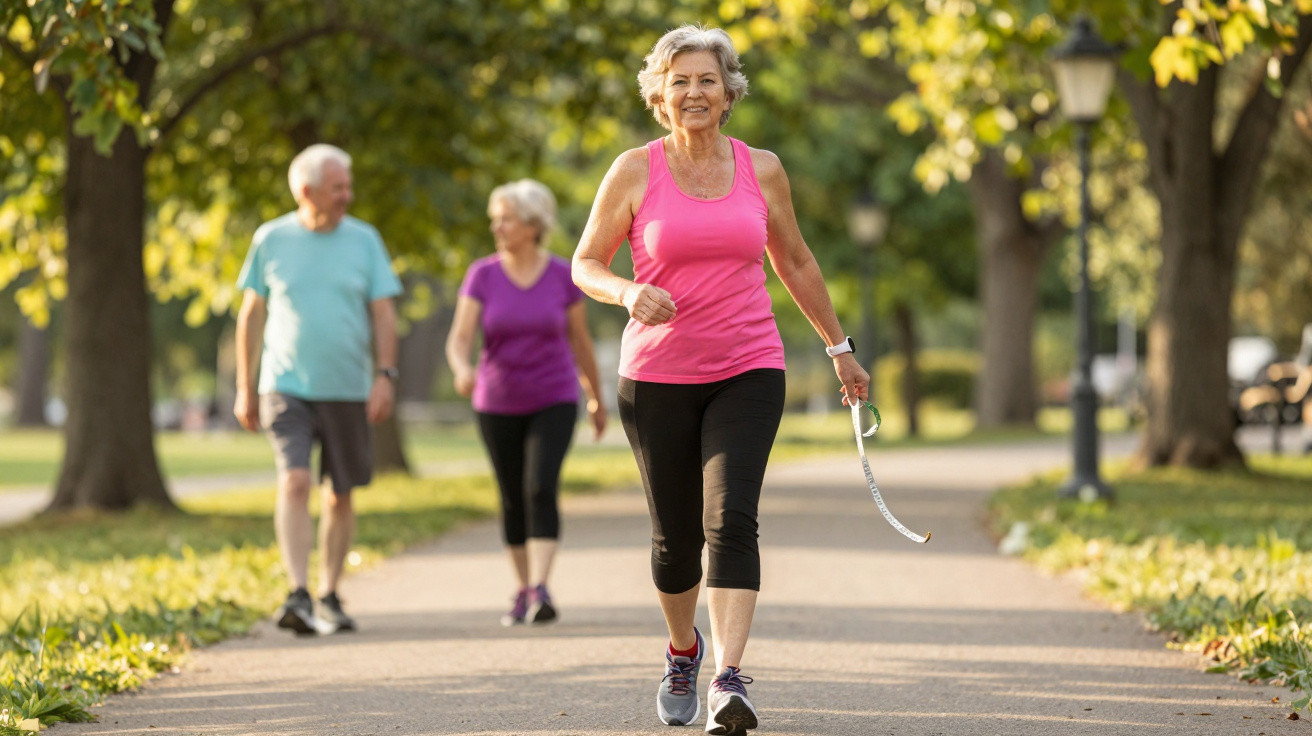
Aim for 30 minutes of brisk walking, five days a week, at a speed where you can speak but singing would feel like too much.
If 30 minutes sounds daunting, begin with 10–15 and add five minutes each week.
Think in three gears.
Start with five minutes easy to warm up.
Then spend 15–20 minutes in the “a bit out of breath but still comfortable” zone, and finish with five minutes very easy as a cool‑down.
The secret is repetition, not drama.
Use the same route at first so you’re not bargaining with yourself every day.
Later, introduce a gentle challenge - a small hill, or a few minutes of quicker steps - as soft intervals: two minutes brisk, one minute comfortable.
On a dull Tuesday morning, a retired teacher called Helen did exactly that.
She was 71, lived with arthritis in one knee, and had a long track record of giving up on exercise plans by week three.
She began with a supermarket loop - 12 minutes, twice a day - purely to “test her knee”.
At first she felt a bit daft counting steps, so she made it playful.
Could she reach the bus stop two lamp posts quicker this week than last?
Some days she walked with a neighbour; on others she went solo with podcasts.
After eight weeks, the number on the scales had barely budged.
Her waist had.
The jeans that used to dig in when she sat down finally gave her room to breathe, and her doctor quietly reduced one of her blood pressure tablets.
The reasoning is bluntly simple.
Belly fat can be stubborn in part because, after 60, your body doesn’t “trust” sudden bursts of all‑out effort.
So rather than shocking your system, you beat the problem with volume: lots of small, manageable walks you can repeat.
Moderate‑intensity walking helps you draw on fat stores without tipping into the “I’m dying” zone that drives cortisol upwards.
After each walk, your muscles act like a sponge for blood sugar, reducing the body’s urge to stash more around your middle.
Over weeks and months, your baseline metabolism inches back up - millimetre by millimetre.
Add two short at‑home strength sessions each week - chair squats, wall push‑ups, light dumbbells or even water bottles - and you send a clear signal to your waistline: build muscle, shift fat.
Nothing elaborate.
Just basic mechanics working in your favour.
Doing it “for real”: small moves, real life, real results
Here’s a simple plan, with no fanfare, that you can begin almost any time of year:
Choose a 20–30 minute walking route you can genuinely repeat most days - round the block, to the park, between bus stops.
Walk at a pace that makes your breathing work a bit harder, while still allowing you to talk in short sentences.
Twice a week, when you’re back home, add this five‑move circuit:
10–15 chair squats, 10 wall push‑ups, 10 standing calf raises, 10 light rows with a band or bag, 20 seconds of gentle marching on the spot.
Go through the circuit two or three times, resting whenever you need.
That’s it - roughly 15 minutes.
The real obstacle isn’t your age; it’s the all‑or‑nothing mindset.
When you’re shattered, do only the walk - even if it’s just 10 minutes.
When you feel better, tack on an extra block or take a small hill.
Let’s be honest: nobody manages this perfectly every single day.
You will miss sessions.
Life will pile on appointments, bad weather, niggles, family demands.
What matters isn’t guilt; it’s getting back to it.
If you slip, the next walk is simply the next walk - not a character test.
Treat belly fat as a long negotiation, not a six‑week war you either win or lose.
After 60, your body pays more attention to patterns than performances.
Three months of reasonably consistent walking plus simple strength work can quietly reset your baseline.
You start rising from chairs more easily, sleeping a touch deeper, breathing more freely on stairs - and the waistband tells the real story.
I didn’t become an athlete. I just finally felt at home in my own body again.”
To keep things easy, here’s a small checklist you can screenshot or stick on the fridge:
- Walk 20–30 minutes, 5 days a week, at a “slightly breathless but okay” pace.
- Add 2 short strength circuits weekly (chair squats, wall push‑ups, rows).
- Keep 1–2 days truly light: gentle stroll, stretching, easy chores.
- Adjust when in pain: shorten, slow down, never “push through” sharp pain.
- Talk to your doctor if chest pain, dizziness, or unusual shortness of breath appears.
On a quiet Wednesday, you may notice something you didn’t expect.
Your belt moves in by one notch - and it feels normal.
No brutal diet, no 5 a.m. bootcamps; just dozens of modest walks piling up like savings you barely notice until they’re there.
What this really changes - beyond the tape measure
The real twist is this: the “simplest, most effective workout” for abdominal fat after 60 doesn’t resemble a fight.
It’s a habit that slots into your life rather than bulldozing it.
That’s exactly why it can beat any 21‑day miracle challenge.
On a human level, the change can go deeper still.
Walking with intent gives you a slice of the day that’s yours - no screens, no noise, just the rhythm of steps and thoughts.
For many people, that small daily ritual does more for stress‑linked belly fat than any flashy supplement ever will.
Most of us know the moment: dodging mirrors, holding your breath to zip up a pair of trousers that used to glide on.
The aim of this quiet routine isn’t to chase a “younger” body.
It’s to get back a body that moves well - one that doesn’t feel like it’s resisting you when you bend to tie your shoes.
The older body is not a broken version of the young one; it’s a different machine with its own operating manual.
When you work with that reality - moderate walking, light strength training and patience - the stubborn band around your waist starts to lose its hard edges.
Not in a magical way, and not overnight, but clearly.
You may find you spend less time arguing with the scales and more time challenging your excuses.
Your world quietly expands when walking two extra streets no longer feels like an expedition.
Even conversations about ageing can start to sound less like a list of losses and more like a calm, workable plan.
This is what many people don’t tell their friends: the day they realise the “boring” walk changed more than their belt size.
It changed how they feel living in their own skin.
That’s a story worth sharing - and maybe worth walking for tomorrow.
| Key point | Detail | Why it matters to you |
|---|---|---|
| Brisk walking as the core workout | 30 minutes, 5 days a week at a “slightly breathless but comfortable” pace | Simple, free, and highly effective against abdominal and visceral fat after 60 |
| Add light strength training | 2 short weekly circuits (chair squats, wall push‑ups, rows, calf raises) | Maintains muscle, lifts metabolism, supports joints and posture |
| Consistency over intensity | Expect missed days, prioritise long‑term habit and gradual progression | Keeps the plan realistic, sustainable, and less emotionally stressful |
FAQ:
- How fast should I walk to reduce belly fat after 60? Aim for a speed where you can still talk in short sentences, but singing would feel difficult. That usually means a slightly raised heart rate, a light sweat, and an effort you could keep up for 20–30 minutes.
- Are crunches necessary to lose abdominal fat? No. Crunches can strengthen the abdominal muscles, but they do very little for the fat above them. Walking and light whole‑body strength training make a much bigger difference to belly fat after 60.
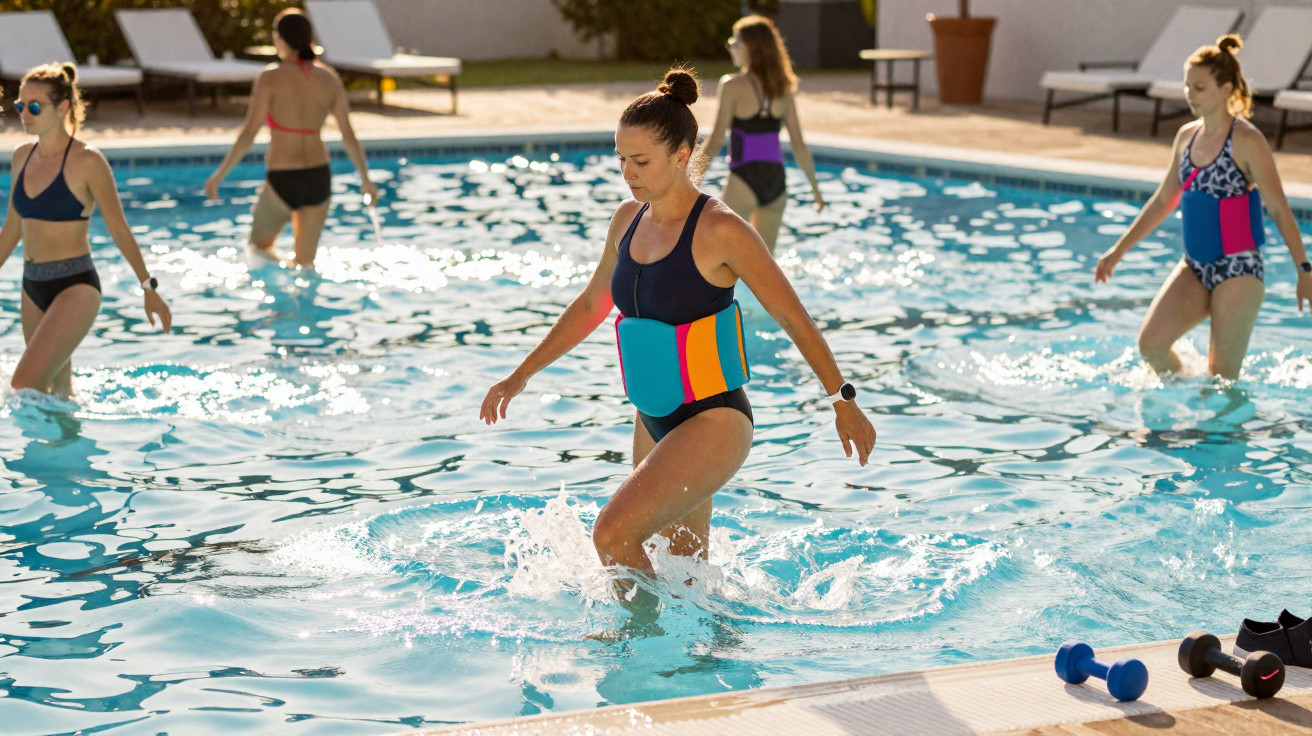
- What if I have knee or hip pain when walking? Begin with shorter walks on flat, even ground, and wear supportive shoes. Slow the pace, skip hills at first, and speak to a physiotherapist or doctor about joint‑friendly options such as water walking or a stationary bike while you build strength.
- How long before I see changes around my waist? Many people notice small changes in how clothes fit after 4–6 weeks of consistent walking and strength work. Bigger shifts in visceral fat and energy levels tend to appear over 3–6 months.
- Can I start this if I’ve been sedentary for years? Yes - just build up gradually. Start with 5–10 minutes of gentle walking once or twice a day, then add a few minutes each week. If you have heart problems, diabetes or other long‑term conditions, speak to your doctor before you increase intensity.




Comments
No comments yet. Be the first to comment!
Leave a Comment