
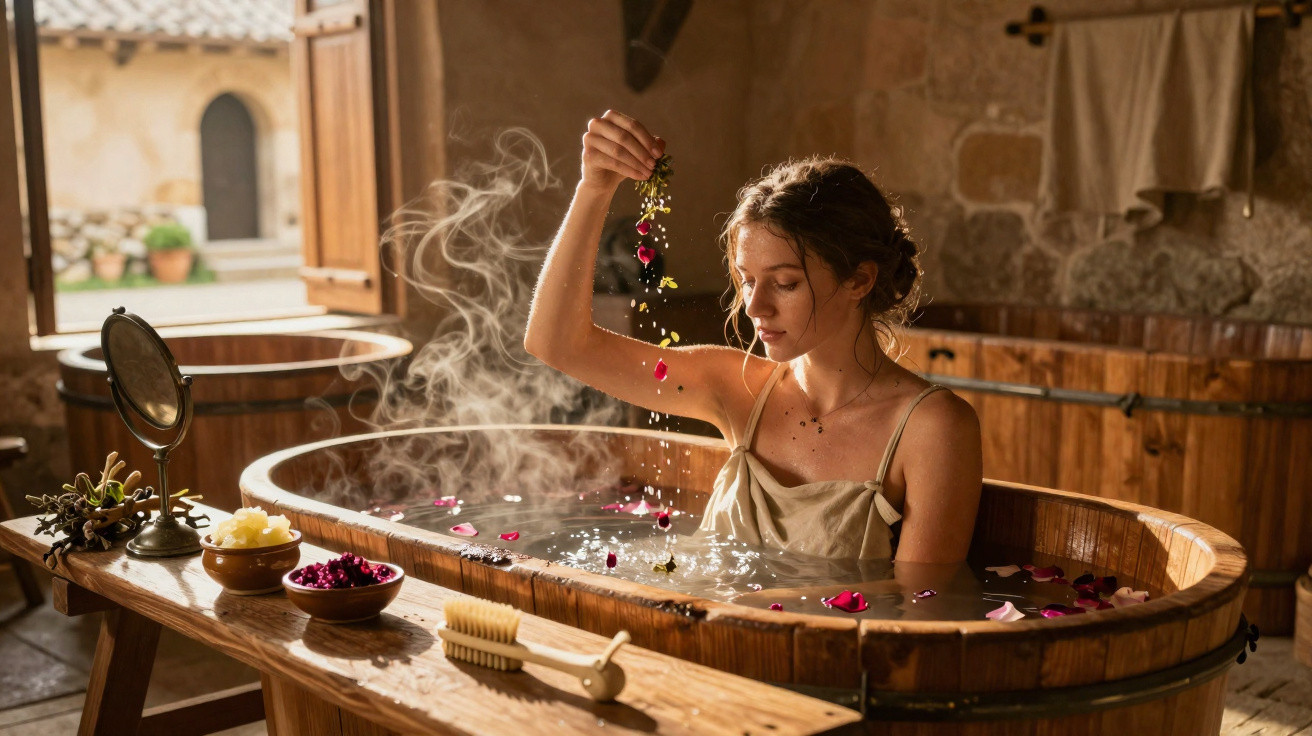
Many people assume that earlier societies lived in miserable conditions and neglected basic personal care. Historical evidence, however, shows that hygiene in the Middle Ages was well organised and followed intricate routines designed to protect everyday health.
What were medieval baths like?
People living in the countryside often washed in running rivers during the warmer seasons. When winter arrived, washing shifted indoors: water was heated and used with cloths, allowing full-body cleanliness in a way that was surprisingly efficient.
In towns and cities, residents could also rely on facilities inherited from the former Roman Empire-well-known public bathhouses. Prominent medieval theologians even argued in favour of bathing regularly, recognising that this cleansing practice supported wellbeing and helped keep various diseases away from the body.
These bathhouses offered services with particular features for citizens, including:
- Herbs: warm water combined with aromatic plants to scent and treat the skin.
- Steam: heated stones and fabric coverings to encourage “medicinal” sweating.
- Massages: the use of special creams made with egg white and also henna.
- Hair removal: men using tweezers, while women used plant-based depilatory creams.
- Soap: gentle products made with olive oil, especially for the face.
What rules applied to women?
Women’s presence in public bathing spaces sparked intense moral debate among civic authorities. To prevent conflict and safeguard propriety, bathhouses introduced women-only rooms or set specific times so women could carry out their care routines with full privacy.
These sessions were often held in the afternoon, helping noblewomen prepare for proper night-time rest. This careful organisation challenges the modern myth that medieval people were indifferent to cleanliness, instead pointing to a strong culture focused on the preservation of human wellbeing.
Watch the full content about the truth of these historical routines directly on the A Modista do Desterro YouTube channel:
How did Salernitan aesthetic medicine work?
The celebrated Italian city of Salerno became the leading centre for medical study across much of early Europe. There, several important cultural traditions intersected, encouraging the creation of manuals aimed specifically at health and the aesthetics of the female public.
The Salerno Treatise
Aesthetics and Cosmetics
The classic manual De Ornatu Mulierum brought together sophisticated recipes for treating skin concerns and sustaining beauty. Practical knowledge circulated across cultures, offering ways to protect the body from everyday exposure to harsh conditions.
Medieval hair care also involved complex procedures that went far beyond simply rinsing with clean water. Women applied carefully prepared blends using plant ash and barley to increase shine, showing a clear concern for appearance and for maintaining their long hair strands.
The main hair-beautifying techniques included:
- Using powders made from flowers and aromatic spices, functioning like a form of dry shampoo.
- Special washes containing shaved liquorice root and fresh petals to deeply nourish the hair structure.
- Applying white-wine lees to lighten hair, or imported henna to darken it.
What were the secrets of medieval skincare?
The desire for healthy facial skin with few imperfections encouraged the daily use of protective recipes. Mild French soaps, paired with oat infusions, were applied regularly to soften the face and achieve the ideal texture sought by women.
Beauty standards inherited from antiquity treated pale skin as a powerful symbol of high social rank. To reach that look, complex lightening substances were carefully spread over the dermis, forming effective barriers against marks caused by the sun and the climate.
Recorded facial and dental treatments included:
- A blend of cream of tartar and olive oil used as a moisturiser against acne marks.
- Whitish pastes containing lead mixed with perfumed oils and chicken fat for facial lightening.
- Regularly washing the lips with hot water to prevent dryness and keep the mouth firm.
How was oral hygiene carried out?
Protecting teeth and gums received notable attention, using methods that were remarkably effective for the period. Bad breath and tooth decay were tackled with solutions made from medicinal herbs, completely dispelling the notion of a total abandonment of oral hygiene.
After everyday meals, cleaning was finished with rinses of wine and rubbing with clean woollen cloths. Daily chewing of fennel or parsley leaves rounded off the purifying routine, helping maintain bright teeth and a refreshingly pleasant aroma.
Also read: Goodbye to diesel: scientists develop an engine that uses seawater




Comments
No comments yet. Be the first to comment!
Leave a Comment