
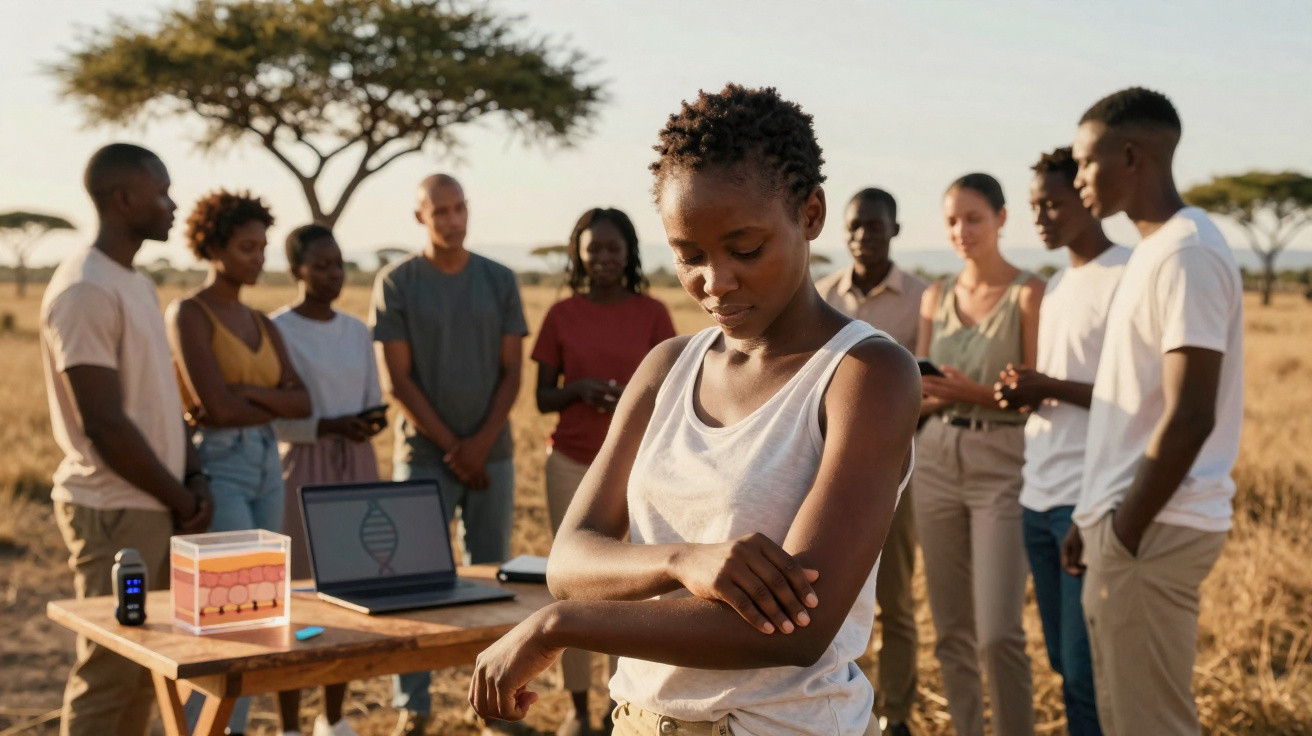
Humanity’s story includes remarkable shifts in how our ancestors biologically adapted on the African continent. A high concentration of pigment proved crucial in shielding the body from intense solar radiation, supporting survival and the ongoing evolution of our species.
Why did the first Homo sapiens have dark skin?
The oldest fossils indicate that our species emerged in Africa hundreds of thousands of years ago. Life in the savannah involved long journeys under a fierce sun, which made strongly pigmented skin essential for maintaining the integrity of bodily tissues.
As body hair was gradually lost to improve cooling through sweating, the skin’s surface became more exposed. Increased eumelanin production acted as an effective barrier, preventing serious burns and protecting the health of early human ancestors.
Where exactly did the human species arise on the African continent?
Bringing together ancient fossils, climatic variation and genetic analysis has allowed scientists to redraw the precise location of our… Read more
How did solar radiation influence the evolution of pigmentation?
Continuous exposure to ultraviolet rays can break down folate, a nutrient vital for embryonic development and reproduction. Adequate pigmentation helped defend this key vitamin, ensuring populations could produce healthy offspring in sunny environments.
At the same time, making vitamin D requires at least a small amount of sunlight reaching the skin. Over thousands of years, natural selection tuned these biological factors, sustaining the balance best suited to human survival.
Below is a video from the YouTube channel Hello, Science! that explores the points discussed in this topic in more depth:
What role does melanin play in protecting the body?
Melanin is made by specialised cells known as melanocytes, found in several parts of the body. This pigment acts as a protective filter against cellular DNA damage by absorbing harmful radiation and helping to prevent serious injury caused by heat and solar light.
There are two main types of melanin that shape differences in human tone. The ratio between these compounds influences skin, hair and eye characteristics, highlighting the complexity of the protection system developed by nature.
Pigmentation mechanisms
Melanin components - Understand the key variants involved in body colouring:
- 1
Eumelanin: responsible for brown and black tones, highly efficient at absorbing radiation; - 2
Pheomelanin: linked to yellowish and reddish shades found in hair and eyes; - 3
Melanocytes: cells responsible for producing and distributing pigments in the epidermis.
How did different skin tones emerge around the world?
As human groups moved out of Africa into regions with lower sunlight levels, new evolutionary pressures appeared. In colder places, reduced light exposure demanded adaptations that ensured sufficient production of nutrients essential for bone and metabolic health.
However, recent findings suggest that genetic variants associated with lighter tones already existed within Africa before these migrations. Today’s diversity arose from complex combinations shaped by diet, climate and ongoing changes in population habits.
Follow the main elements that influenced shifts in skin tone over the ages:
- A diet centred on hunting and fishing that supplied vitamin D directly to the body;
- The development of agriculture, which changed eating patterns and altered the need for solar absorption;
- Mixing between ancient populations and related species during continental migrations.
What does genetics reveal about the diversity of human skin?
Modern genetic research has identified dozens of genes directly involved in regulating human melanin. These discoveries show that tone variation is continuous and dynamic, reflecting the vast biological richness present since the beginning of our ancestral history on planet Earth.
Ultimately, skin tone is an extraordinary evolutionary achievement that enabled survival in very different environments. The physical differences seen today are simply markers of climatic adaptation, reinforcing that all humanity shares the same biological and African origin.






Comments
No comments yet. Be the first to comment!
Leave a Comment