

On TikTok, a dermatologist explains that your skin could be healthier if you only shower once a week. She frowns, catches the steam on the mirror and instinctively sniffs her own armpit. For her, showering every day feels as routine as making coffee. Once a week sounds more like sleeping in a grimy festival campsite.
Even so, the video sticks. It mentions skin barriers, microbiomes and “over-washing”. Sanne keeps scrolling, but that line keeps bouncing around her head. What if, for years, we’ve been trying to be too clean?
That evening, over dinner, she puts it on the table. Everyone has an opinion. No one really has facts. And that is exactly the issue.
Showering every day or not: what really happens to your skin
If you only shower once a week, people quickly label you as lazy or unhygienic. In many minds, “clean” automatically means lather, fragrance and a daily blast of hot water. Dermatologists tend to quietly sigh at that assumption. Skin isn’t a bathroom tile you can scrub forever. It’s a living organ.
Your skin is home to an entire ecosystem of bacteria, yeasts and other micro-organisms. This natural layer - the skin microbiome - helps protect you from irritation, infections and dryness. Long, hot showers combined with lots of foaming soap strip some of that away. Not all at once, but little by little. And that gradual loss is where trouble begins.
Researchers note that people who frequently take long, hot showers are more likely to deal with skin that feels dry and tight. Redness, flaking and itching are classic signs that the skin barrier is under strain. You don’t necessarily notice it the moment you step out of the shower - but you may feel it after months or years of “overdoing hygiene”. The irony is obvious: in trying to be as clean as possible, you can make your skin more vulnerable over time.
In the Netherlands, a large share of people say they shower daily, particularly on working days. Even so, habits are slowly shifting. Younger generations talk more openly about “skin cycling” and the idea that “less is more”. A British study estimated that a significant proportion of adults shower fewer than five times a week, without widespread skin problems or mass complaints about unpleasant odours. That suggests there’s plenty of leeway.
Most of us know that awkward moment of feeling embarrassed to admit we “haven’t showered today”, even if we had a long shower the night before. Social expectations don’t always match what your skin actually needs. Many people who visit a dermatologist with eczema-like complaints reveal - after a few extra questions - that they shower twice a day, often using harsh gels. Only when that routine changes does the skin begin to settle.
Specialists also emphasise that sweat itself isn’t dirty. It’s almost odourless. The smell people dread develops when bacteria break down sweat in warm, enclosed areas: armpits, groin and feet. If you wash strategically, you can be very targeted. A damp flannel or a quick wash is often enough to feel fresh, without constantly stripping the skin’s natural layer.
So what happens if you shower only once a week? Your skin’s natural oils have time to build up and create a thin protective film. The microbiome becomes more stable. After a few weeks, many people notice their skin feels less tight and reacts less to cold, wind or perfume. The downside is that if you stop daily showers abruptly, you might initially notice extra oiliness and shine. Your skin needs time to recalibrate. Dermatologists tend to advise a gradual shift, not an extreme challenge.
How to adjust your shower routine without putting people off
If you want to shower less, the goal isn’t to be less clean - it’s to clean more intelligently. A practical approach often mentioned by dermatologists is to focus on the “high-risk zones”: armpits, groin, buttocks and feet. You can wash these areas daily at the sink using warm water and a mild, fragrance-free soap. The rest of your body can comfortably go a day - sometimes several - without a full shower.
Opt for shorter showers than ten minutes, ideally five to seven. Choose warm rather than very hot. Hot water dissolves fats like a detergent, and that includes the skin’s own natural oils. Use soap only where it’s genuinely needed: hands, armpits and the lower body. Arms and legs are often cleaned adequately just by the water and the suds that run down. And honestly: hardly anyone carefully scrubs every centimetre of their body every single day.
The biggest worry tends to be: will I smell if I shower less? People who change their routine often find the experience surprising. The first week can feel uncomfortable. You become hyper-aware of your own scent, check your shirt, and wonder whether colleagues notice. After a few weeks, it usually settles. Many people find their sweat smells less strong because oil production stabilises.
One straightforward tactic is to link shower days to heavy activity. If you exercise three times a week and sweat a lot, you can shower on those days and use a flannel on quieter days. Body odour is also shaped by diet, hormones, stress and synthetic clothing. If you only change your shower habits and ignore those factors, you miss an important part of the puzzle.
Dermatologists often see the same mistakes in people who struggle with their skin - and with guilt around hygiene. A classic example is using antibacterial soap over the entire body “just in case”. It may feel effective in the short term, but it can seriously disrupt the natural flora. Another is using strongly perfumed shower gel several times a day. It masks smells, but can irritate the skin and may trigger more sweating and redness.
“Your skin isn’t dirty because you didn’t shower for a day,” says dermatologist Dr Linda van der Meulen. “It’s usually irritated because we wash too often, too hot and with strong products. Showering less isn’t neglect - it can be a form of care.”
If you want to rethink your routine, these simple guidelines can help:
- Start by skipping one shower a week, then build up gradually if you want to.
- Keep washing armpits, groin, buttocks and feet daily at the sink.
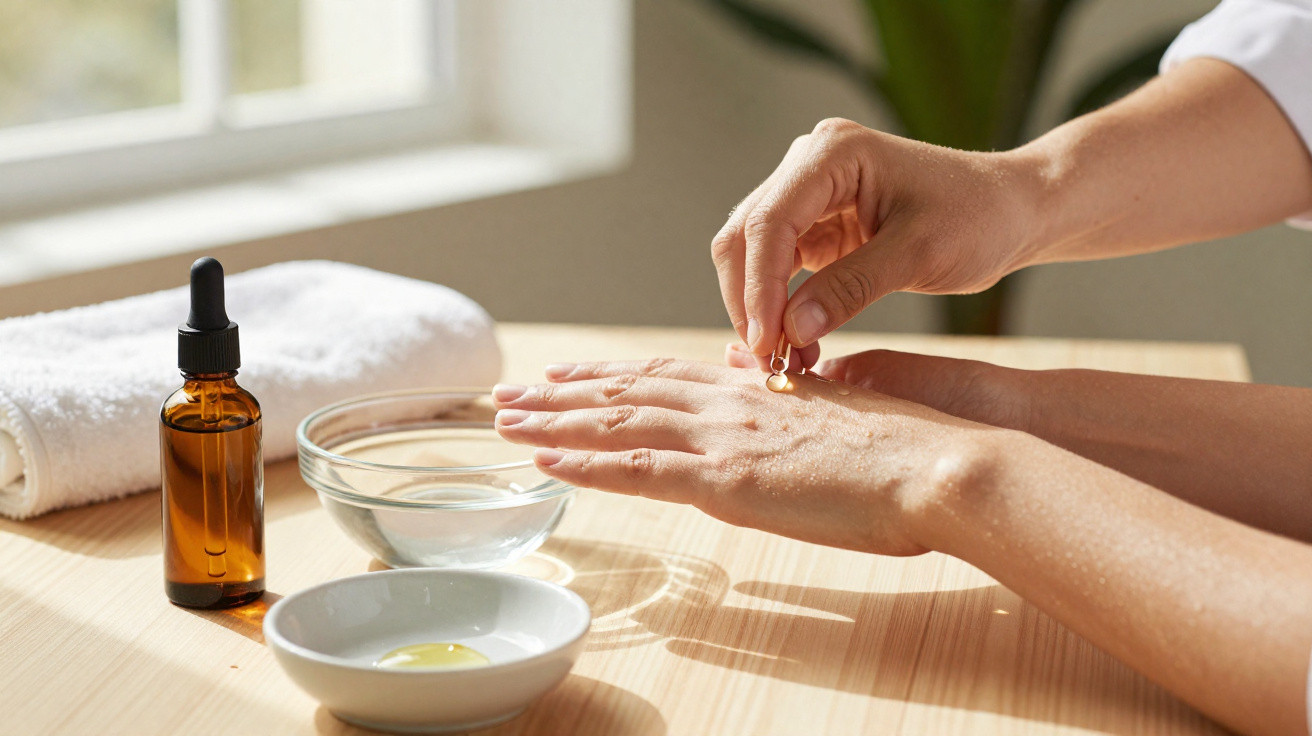
- Choose a mild, fragrance-free bath oil or shower cream instead of a foaming gel.
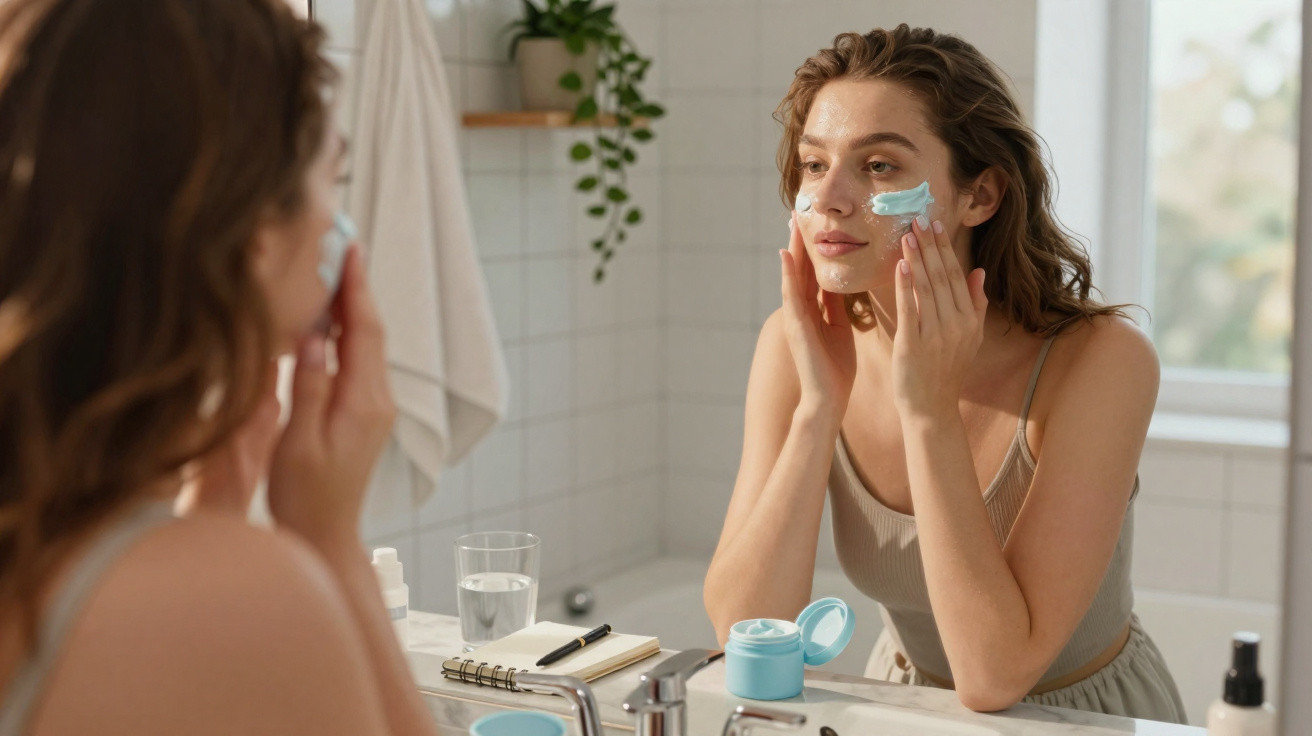
- After showering, apply a simple, richer cream to dry patches.
- Talk to the people you live with so expectations are aligned.
That way, those around you feel reassured while your skin slowly recovers and strengthens. It takes a bit of experimentation, not an extreme lifestyle overhaul.
Less lather, more balance: what this new way of washing does to us
Once you start tweaking how often you shower, you quickly realise it’s about more than water and soap. Hygiene is culturally loaded. In many households, “not showering” was treated for years as the same thing as “bad manners”. You can hear it in how people react when someone says out loud that they only shower two or three times a week. The mood shifts, there’s laughter, and jokes about smell appear.
Still, something is changing. More and more experts argue that an obsession with being constantly clean and sterile doesn’t fit with healthy skin - or a calmer life. People who shower less sometimes notice unexpected side effects: more time in the morning, lower energy bills, fewer plastic bottles in the bathroom. Small things, but they add up. And for people with eczema, psoriasis or very dry winter skin, reducing frequency can bring genuine relief.
Perhaps the main point is this: hygiene isn’t a competition. You don’t need to hit “maximum cleanliness” every day to be pleasant-smelling and socially functional. Most people around you notice less than you think. The question shifts from “How often should I shower?” to “When do I feel fresh, and when is my skin calm?” The answer is personal.
Maybe showering once a week feels like too little for you. Maybe three times a week is ideal. Maybe you only need a full shower after exercise. What matters is understanding what your skin is doing, rather than blindly following a norm shaped by marketing, convenience and habit. When people look at it honestly, they often find there’s far more flexibility than they expected.
| Key point | Detail | Benefit to the reader |
|---|---|---|
| Protect the skin microbiome | Washing less often and more gently helps keep natural bacteria in balance | Can help reduce dry skin, itching and irritation |
| Targeted cleansing routine | Wash only armpits, groin, buttocks and feet daily | Helps you feel fresh without stripping the whole skin |
| Gradual adjustment | Reduce shower frequency step by step rather than stopping suddenly | Lowers transition discomfort such as extra oiliness or worries about odour |
FAQ:
- Won’t I smell if I only shower once a week? Not necessarily. Odour mainly develops in warm, enclosed areas. If you wash those spots daily with water and a mild soap, you can often shower less without drawing attention.
- Is showering less bad for hygiene? Hygiene is targeted cleaning, not the amount of lather. Washing your hands, keeping good hygiene after using the toilet and wearing clean clothes matter just as much.
- What do dermatologists actually say about daily showering? Many dermatologists consider short daily showers fine, as long as you use warm water, gentle products and don’t soap up your entire body.
- Can I just wash my armpits and do a quick rinse after exercise? Yes. A brief shower or focused wash of sweaty areas is usually enough, particularly if you haven’t sweated excessively.
- How do I know I’m showering too often for my skin? Signs include tightness after showering, flaking, redness, itching, or feeling you need more and more moisturiser to stay comfortable.



Comments
No comments yet. Be the first to comment!
Leave a Comment