
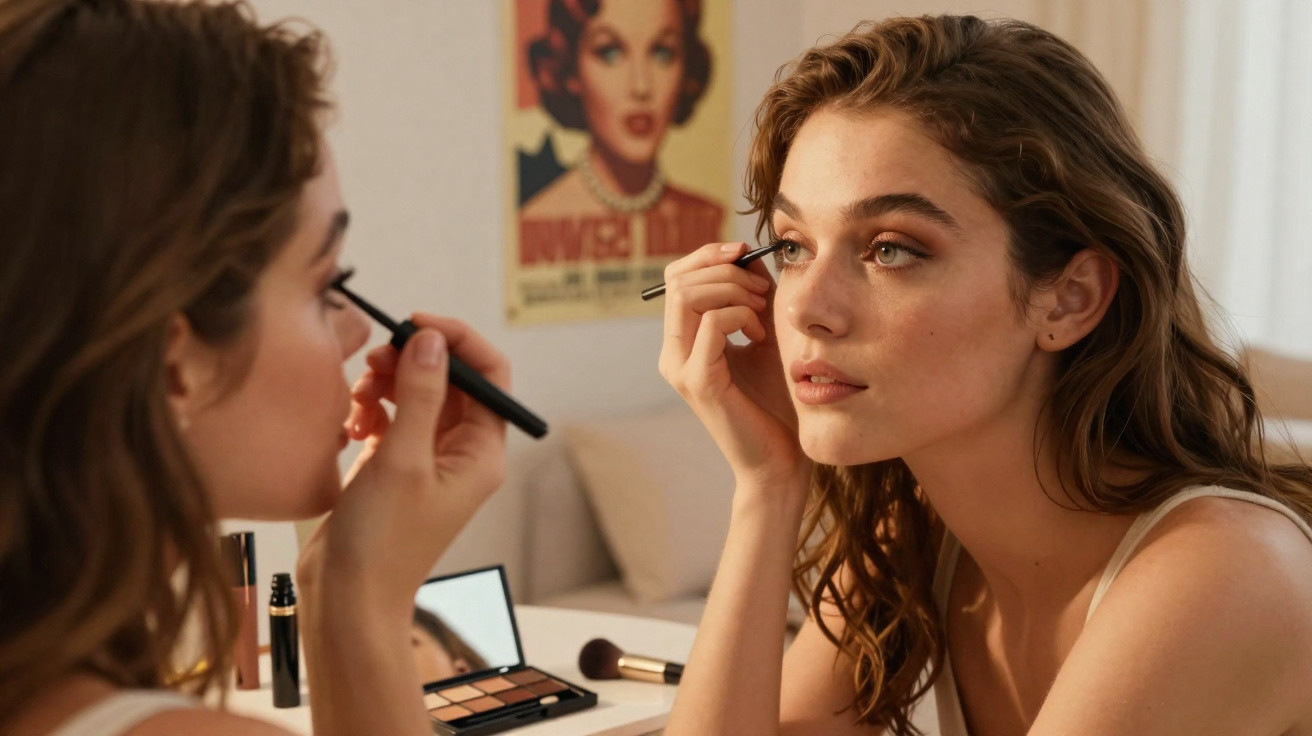
The phrase shows up in romance novels, on dating apps and in make-up tutorials - yet plenty of people still cannot pin down what it really describes. It is more than simply “pretty eyes”. Behind the idea of doe eyes sits a long cultural backstory, a specific beauty ideal and even a clearly recognisable look that make-up artists deliberately recreate. That combination is exactly what makes the expression feel interesting again today.
What does the expression “doe eyes” actually mean?
When someone talks about doe eyes, they are not just commenting on an attractive eye colour. They are pointing to a particular kind of gaze made up of several features.
"Doe eyes stand for a soft, warm and at the same time very present look that draws others in almost magnetically."
Common characteristics include:
- almond-shaped eyes with a silhouette that subtly lifts outwards
- large, open-looking eyes that appear alert and interested
- a gentle, friendly expression with no hardness
- long, emphasised lashes, especially at the outer corner
- a gaze that feels alluring without seeming aggressive or pushy
Many people read this look as romantic, tender and reassuring. Doe eyes are often associated with femininity, sensitivity and a certain grace. If someone is described this way, it is usually meant as a deeply personal compliment: it is not only about facial features, but about the effect the person has as a whole.
Where does the deer image come from as a beauty ideal?
The delicate deer has been a recurring motif in European culture for centuries. In literature, the animal repeatedly appears as a symbol of gentleness, vulnerability and refined beauty. Even writers of the Enlightenment era used the comparison when they wanted to capture a woman’s grace.
The deer was positioned as the opposite of “strong” or “rough” animals such as the bear or the lion. Attention centred on:
- large, shining eyes
- graceful movement
- a narrow, fine-boned face
- a quiet, almost shy manner
This imagery condensed into a particular ideal of femininity: not loud, not domineering, but reserved, attractive and slightly unattainable. That is why doe eyes often read as sensitive, and sometimes even a little dreamy. These notions shaped love poetry, opera and novels for decades - and later, film characters too.
Why doe eyes are still taken as a compliment today
The wording can sound old-fashioned, but what it conveys still lands. That is because it links attractiveness with emotional presence. Someone with doe eyes is seen not only as “beautiful”, but also as empathetic. That sets it apart from more matter-of-fact compliments such as “nice eyes” or “great eyeliner”.
"Doe eyes promise not just aesthetics, but also closeness, warmth and a little mystery."
Psychologically, several associations come into play:
- Large eyes can appear youthful and trigger protective instincts.
- A soft gaze tends to make people seem less threatening and more approachable.
- A slightly lifted outer corner can suggest confidence and sensuality.
That is why the phrase keeps resurfacing in dating profiles and song lyrics. It signals that this is not only about looks, but about overall presence and vibe.
Doe eyes and make-up: how the look is recreated
It is no surprise the beauty industry has long since embraced this classic deer imagery. Across social media, countless tutorials aim to create precisely this “Doe Eyes” effect - in other words, the doe-like gaze.
Typical make-up tricks for the doe-eyed look
- Emphasise the almond shape: blend eyeshadow softly outwards to visually elongate the eye.
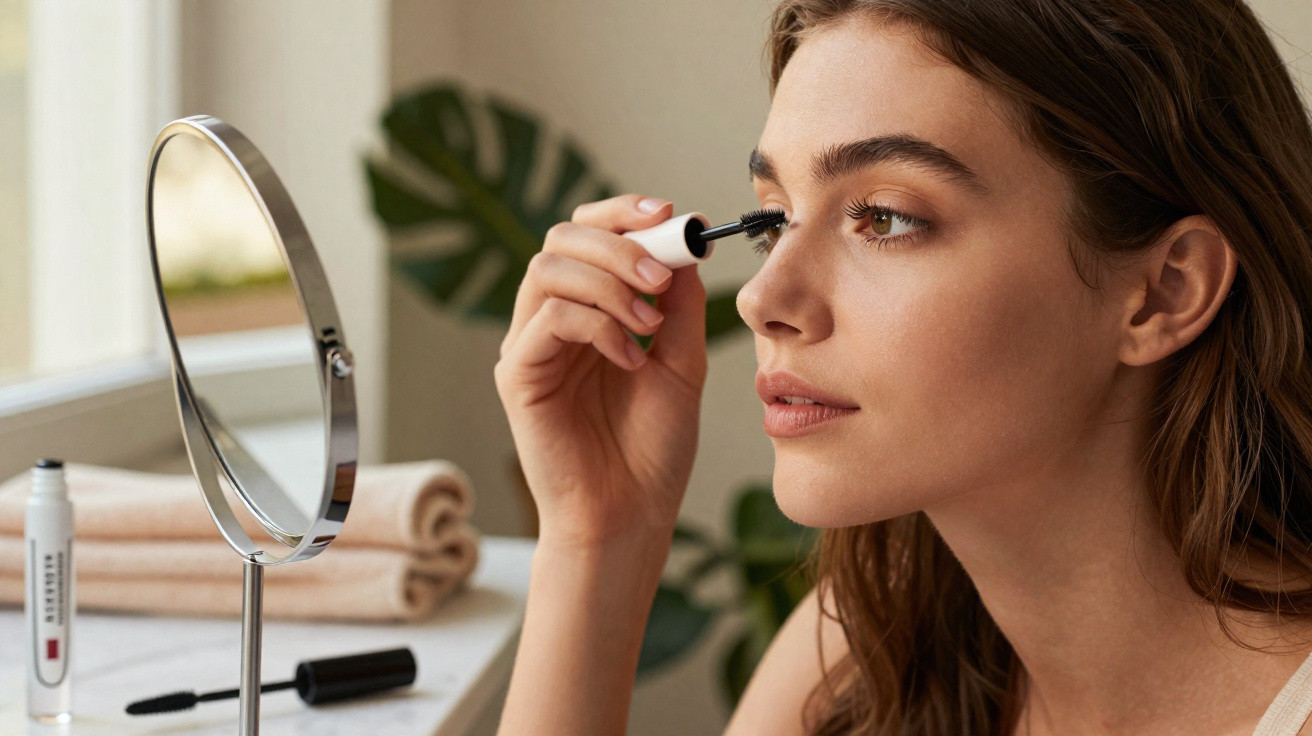
- Fan out the lashes: focus mascara on the outer lashes, or build them up with individual false lashes.
- Bright inner corners: a light shade at the inner corner opens the gaze and makes eyes look larger.
- A softened eyeliner line: rather than harsh lines, smudged kohl creates a gentle, smoky frame.
- Define the upper waterline, brighten the lower: dark kohl above and a light pencil below helps the eye look awake and clear.
Many make-up artists recommend avoiding ultra-sharp edges and very dark smoky eyes for this style. The goal is a soft expression, not a severe one.
The cultural message behind the gaze
What is striking is how much a poetic phrase can reveal about beauty standards. Doe eyes are associated with:
| Aspect | Perceived effect |
|---|---|
| Size of the eyes | youthful, innocent, open |
| Shape (almond) | elegant, balanced, aesthetic |
| Direction of the gaze | gentle, curious, non-confrontational |
| Emotional interpretation | sensitive, lovable, trustworthy |
At the same time, there is room for criticism: the ideal of the gentle, almost shy woman does not necessarily align with today’s ideas of self-determination. Some people view this imagery as an outdated role stereotype. Others use the phrase deliberately with irony, or subvert it by pairing doe eyes with a strong, decisive presence.
How doe eyes show up in films and media
In animated films, classic dramas and romantic comedies, characters with big, glossy eyes often appear almost automatically as “the good one” or “the lovable one”. Animation studios exaggerate the effect even further: huge pupils, extremely long lashes and very soft facial features.
In advertising, brands often deploy doe eyes when they want to connect products with closeness, comfort or romance - for example with perfume, skincare or jewellery. The gaze sells a feeling: dreamy, emotional and slightly fairytale-like.
Practical everyday use: when the phrase fits - and when it does not
If you want to compliment someone, it is tempting to reach for vivid imagery. Doe eyes can sound very charming, but in certain settings they may land awkwardly or feel dated.
- Well suited in private situations, within a relationship or in a caring message.
- Risky at work, especially when directed at colleagues or managers.
- Open to misunderstanding if it reduces someone to appearance and fails to take them seriously.
Anyone using the phrase should consider the context and be able to read the other person. A romantic compliment can quickly become uncomfortable when there is no closeness or trust.
Related expressions used to describe a gaze
There are plenty of similar turns of phrase that highlight different qualities:
- “Big, round eyes” - more playful and childlike, less sensual.
- “A piercing stare” - sharp, intense and linked with power.
- “Puppy-dog eyes” - pleading, endearing, slightly self-deprecating.
- “A seductive flutter of the lashes” - clearly geared towards flirtation and erotic appeal.
Doe eyes occupy a special place among them: sensual but not crude; soft but not powerless. That balance explains why the expression has survived from old poems right through to TikTok videos.
If you want to become more aware of your own gaze, you can experiment with a mirror, a camera and a little make-up: how does the effect change when you lift your brows slightly, look more directly into the lens, or make your eyeliner thicker? It quickly becomes clear that doe eyes are not only about genetics - they also involve a degree of styling, play and personality.



Comments
No comments yet. Be the first to comment!
Leave a Comment