

Ginger, rosemary and clove have been widely promoted on social media as a natural hair tonic, but specialists warn that, despite the growing buzz, scientific evidence remains limited.
Why have ginger, rosemary and clove become so popular?
Interest in more natural options has helped push the hair tonic made with ginger, rosemary and clove into the spotlight. The recipe has spread through videos and posts that claim it can encourage hair growth.
According to accounts shared online, people apply it straight to the scalp while massaging. Even so, outcomes can differ depending on each person’s individual characteristics.
What benefits might each ingredient offer for hair?
Each part of the blend has been studied on its own and may support scalp and hair health. The most commonly cited benefits include:
- Ginger: may help stimulate blood circulation and has anti-inflammatory and antimicrobial effects.
- Rosemary: is linked with strengthening the hair and may help reduce hair loss in some cases.
- Clove: has antifungal and antimicrobial properties and can give a refreshing sensation on the scalp.
Although these features are often mentioned, that does not mean the combined mixture will produce the same results for everyone or replace medical treatments.
How to prepare the natural tonic at home
The most shared version of the recipe uses one grated ginger root, two sprigs of rosemary and six to eight cloves, simmered in about 500 ml of water for roughly 10 minutes.
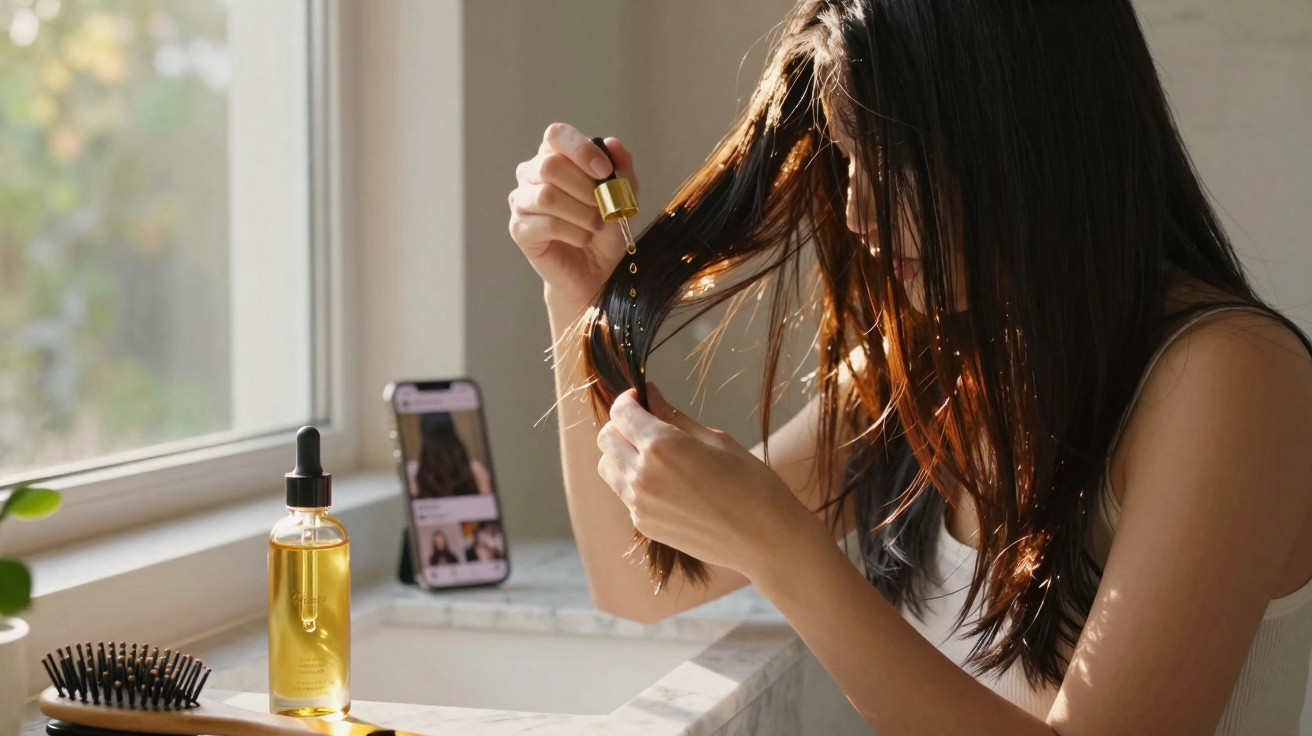
Once the liquid has cooled, it should be strained and kept in a clean container, ideally one with a spray nozzle. It is typically applied directly to the scalp.
What is the recommended way to use it?
After spraying the tonic, it is generally advised to do a gentle massage to distribute the product. Many people leave the mixture on for several hours, or even overnight.
Use is usually suggested three to four times per week. Still, the best frequency can vary depending on skin sensitivity and individual needs.
Does the tonic really make hair grow?
Despite its popularity on social media, there is still no conclusive scientific evidence showing that this mixture reliably speeds up hair growth.
Before trying any home-made recipe, it is best to patch-test on a small area of skin to check for possible reactions. If there is severe hair loss, irritation or scalp conditions, guidance from a dermatologist remains the safest option.
Comments
No comments yet. Be the first to comment!
Leave a Comment