
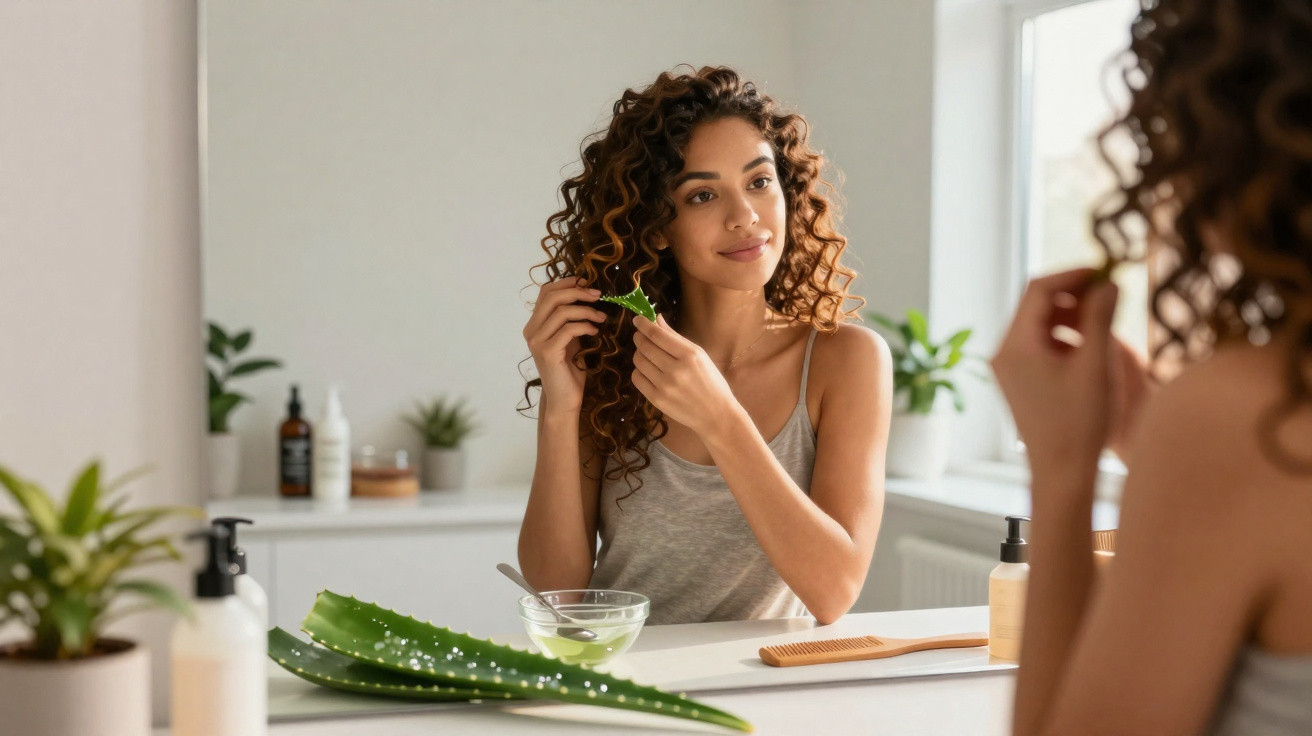
Aloe vera has become a popular choice in haircare because it helps moisturise the hair fibre, soften the look of flyaways and leave hair feeling smoother to the touch. The gel taken from the plant will not remove frizz permanently, but with regular use it can make unruly strands sit more neatly. You will usually see the best results on hair that is dry, porous, or frequently exposed to heat, sunshine and harsh washing habits.
Why does aloe vera help so much with frizz control?
Aloe vera has a watery, gel-like texture, which makes it useful for adding surface hydration to the hair. When hair is dehydrated, the cuticles tend to lift, and frizz shows up more easily-especially on humid days.
The plant’s gel can improve both rough texture and dull-looking hair because it creates a light coating over the hair fibre. After rinsing, this can make the hair feel more flexible, reduce messy-looking volume and give a healthier shine.
How do you prepare a DIY treatment without expensive products?
The method is straightforward, but you do need to be careful to avoid leaving thick residue in the hair. Ideally, use only the clear gel from inside the leaf and avoid the yellowish layer close to the skin, as it may irritate some people.
- Cut an aloe vera leaf and remove only the clear gel.
- Blend the gel with two tablespoons of filtered water.
- Strain the mixture to remove larger pieces.
- If you want extra slip and softness, mix it into a white hydrating mask.
- Do a strand test before applying it to your whole head.
A strand test makes it easier to check the texture, scent and how your scalp reacts. If you notice itching, burning or redness, stop immediately and rinse the product out thoroughly with running water.
What is the step-by-step for applying it to unruly strands?
This works best on clean, damp hair. After shampooing, gently squeeze out excess water using a soft towel-do not rub, as friction increases flyaways and can snap fragile strands.
Separate the hair into sections and smooth the aloe vera through the lengths and ends. If your scalp is oily, avoid packing product onto the roots. Leave it on for 20 to 30 minutes, rinse very well, and finish with conditioner to help lay the cuticles flat.
How can you keep the hair looking more disciplined for longer?
Aloe vera delivers more when it is part of a consistent hair routine. There is little point hydrating once and then continuing to wash with very hot water, using straighteners without heat protection, or rubbing hair with a rough towel.
- Do an aloe vera hydration treatment once a week.
- Use conditioner after every shampoo wash.
- Swap a standard towel for a cotton T-shirt or a microfibre towel.
- Avoid brushing dry hair if it is curly or wavy.
- Finish with a lightweight cream or leave-in on the ends.
If your hair is very fine, doing this every fortnight may be enough. For curly, coily or bleached hair, weekly use typically gives better frizz control and a softer feel.
When is this treatment really worth it?
Aloe vera is most worthwhile when frizz is coming from dryness, porosity and lack of hydration. It does not alter the hair structure in the way a chemical straightening treatment does, but it can improve the overall look of alignment, reduce roughness and leave shine looking more even.
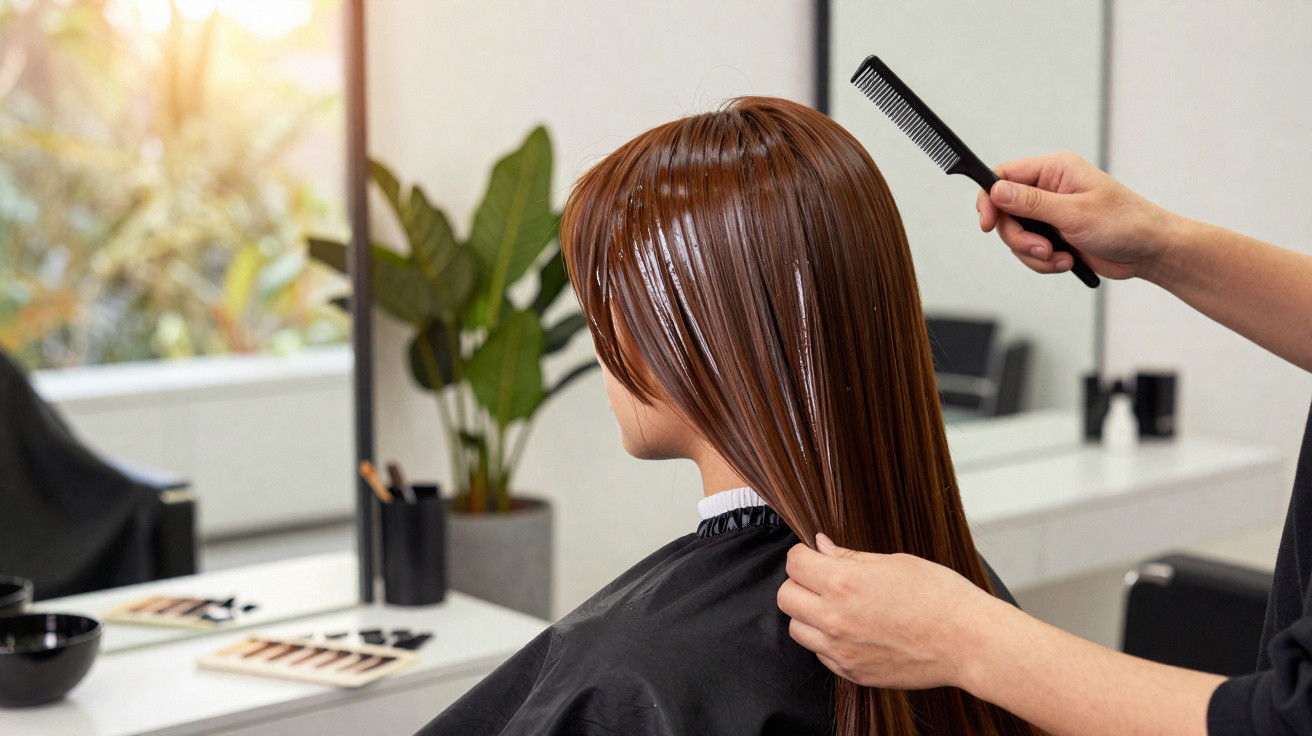
This type of home treatment performs best as ongoing maintenance. With clean preparation, section-by-section application and the right finishing steps, unruly strands can stay more controlled for a few days-particularly when your routine avoids excessive heat, harsh shampoo and friction on the ends.


Comments
No comments yet. Be the first to comment!
Leave a Comment