
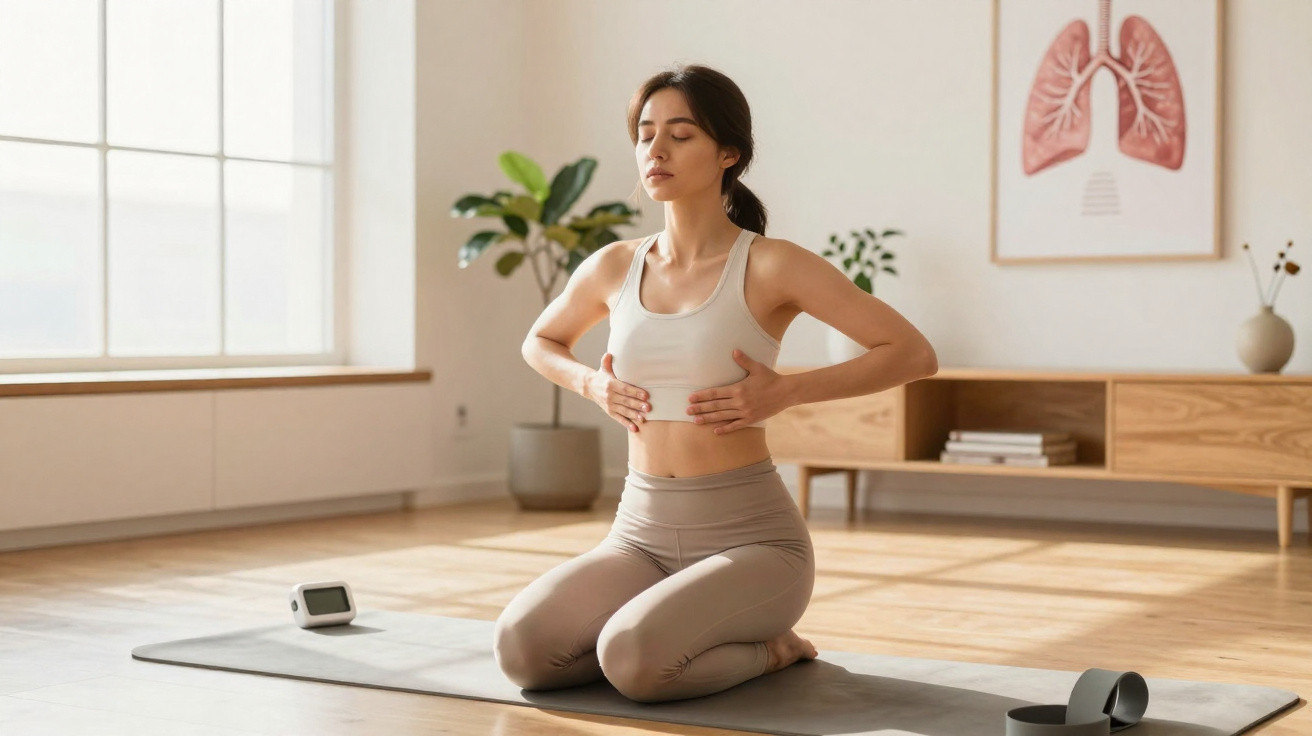
The Japanese technique known as the “thoracic balloon” combines controlled breathing, posture, and arm and leg movements to engage the body’s core. The method was introduced by Koichi Hoshino in the book “Lose Weight While Sitting” and suggests practising for only around one minute a day. Although it may engage the abdominal muscles, there is no evidence that this routine alone can remove localised fat or slim the waist by itself.
How does the Japanese thoracic balloon technique work?
Koichi Hoshino refers to the exercise as the thoracic balloon because participants are instructed to picture a balloon inside the ribcage, inflating and deflating as they breathe. The movement begins while seated, with the spine upright and the arms raised, coordinating inhalation, exhalation and contraction of the core muscles.
The arms are then lowered towards the chest while one leg is lifted, bringing the knee closer to the fists. The movement is repeated on alternate sides. Its purpose is to engage the abdominal area through the combination of posture, breathing control and movement, rather than simply holding the stomach in for a few seconds.
- Sit with your feet close together and keep your spine upright;
- Raise your arms above your head and press your palms together;
- Regulate your breathing while keeping your core engaged;
- Lower your hands towards your chest as you exhale;
- Lift each knee in turn, bringing it towards your fists.
Why can breathing activate the abdominal muscles?
The abdominal muscles play a direct role in breathing mechanics, particularly during more forceful exhalations and movements requiring trunk stabilisation. Electromyography research shows that varying breathing patterns and postures can change abdominal muscle activity. This provides a physiological basis for including breathing in a core exercise, but it does not specifically validate the claims made for Koichi Hoshino’s method.
Does one minute of practice really reduce abdominal fat?
This is where “toning” and weight loss need to be distinguished. An exercise may activate or strengthen the abdominal muscles without necessarily reducing the layer of fat covering them. In a six-week study, isolated abdominal exercises improved muscular endurance but did not significantly reduce subcutaneous abdominal fat.
More recent research has discussed the possibility of some localised effect, but it used protocols very different from one minute of breathing. For instance, a small 2023 trial combined abdominal exercises with running for up to 57 minutes, four times a week, over ten weeks. Its findings therefore cannot be used to claim that the thoracic balloon alone reduces the waistline.
- Activating the abdominal muscles does not mean burning fat only in that area;
- Waist appearance also depends on total body-fat levels;
- One minute of exercise has a very limited energy expenditure;
- Diet and regular physical activity remain relevant to fat loss.
What is the correct way to perform the exercise?
The guidance for this Japanese technique is to carry out the movements slowly, keeping posture and breathing coordinated rather than trying to move quickly. The exhalation lasts around five seconds as the hands and knee move closer together, and the sequence is repeated three times while alternating legs. Pain, dizziness or breathing difficulty are signs to stop practising.
- Avoid excessively rounding your spine;
- Do not hold your breath during the movement;
- Exhale in a controlled manner;
- Do not force your knee and fists to meet if this causes discomfort;
- Prioritise correct form over speed.
The thoracic balloon exercise works best as part of an active routine
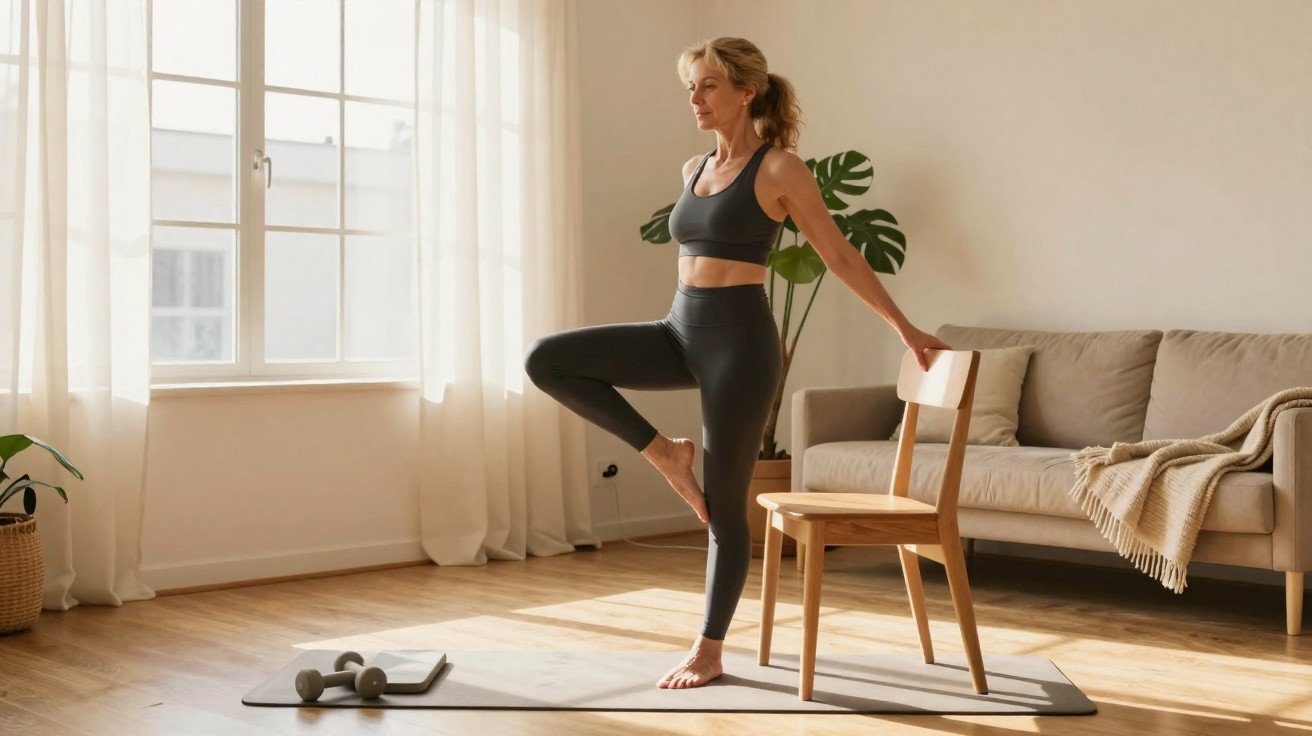
The thoracic balloon can be a brief activity for developing body control, breathing and trunk muscles, especially for people who spend many hours sitting down. Being able to perform the movement on a chair also lowers the barrier to getting started, but the method is not a replacement for an exercise programme that develops strength and cardiorespiratory fitness.
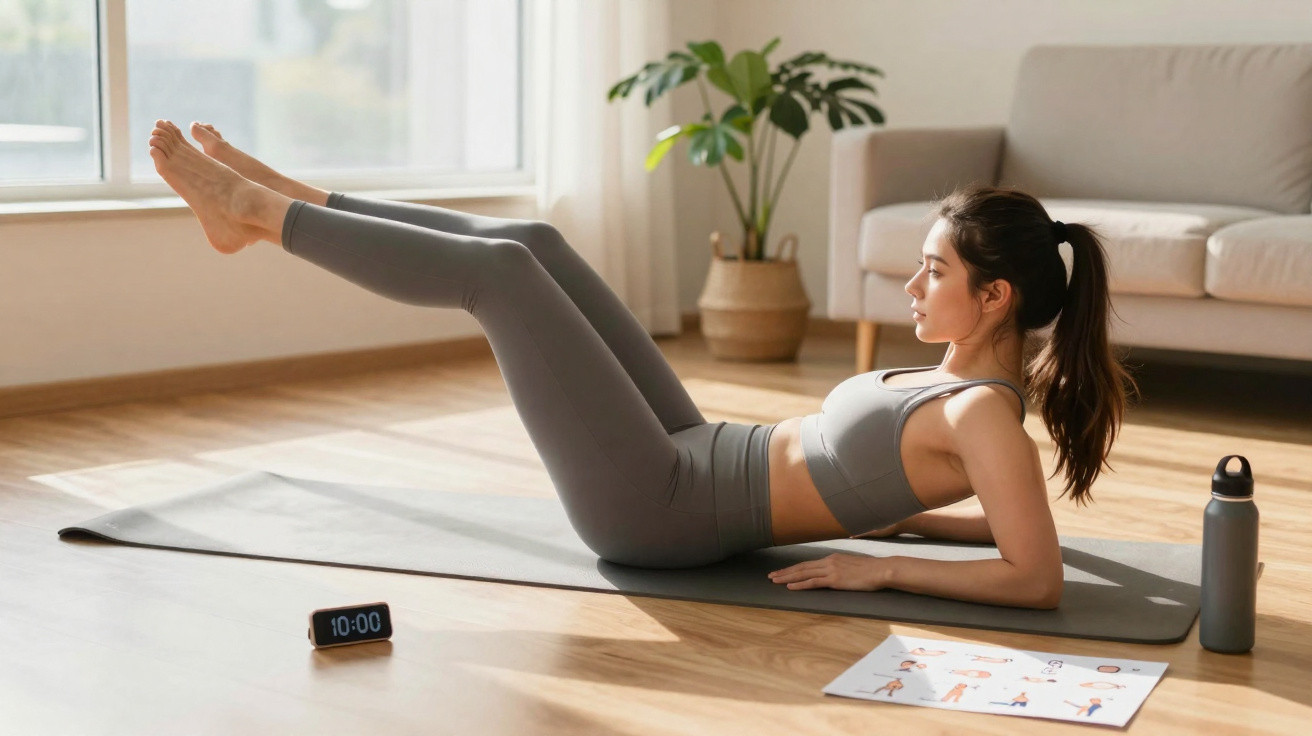
To reduce body fat, the evidence still supports a broader combination of an appropriate diet and regular physical activity. Current guidance for adults recommends 150 to 300 minutes of moderate aerobic activity each week, plus strengthening exercises on at least two days a week. The Japanese technique can be included in this routine as a complementary core exercise, without expecting one minute a day alone to produce a measurable reduction in belly fat.




Comments
No comments yet. Be the first to comment!
Leave a Comment