
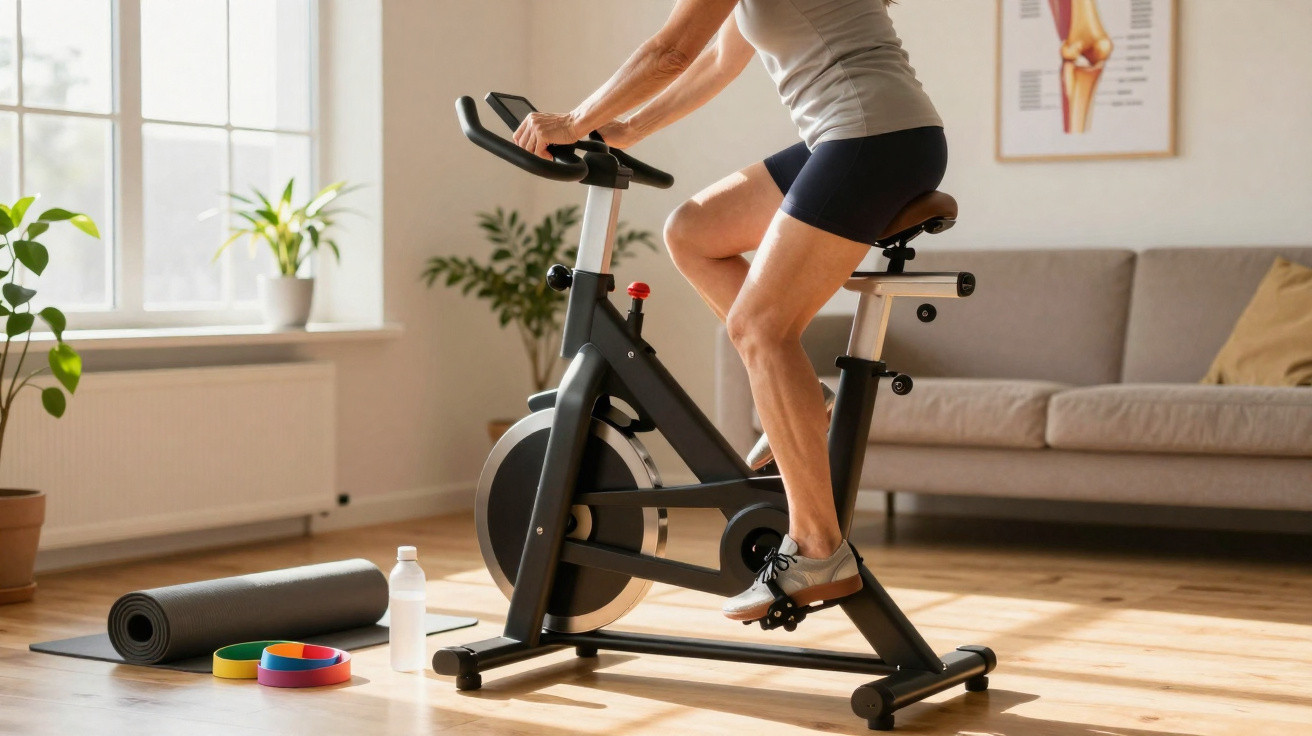
Maintaining joint integrity is an essential priority for anyone who wants to retain physical independence and everyday wellbeing. Choosing appropriate forms of movement provides effective strengthening for the legs while minimising the direct impact on sensitive knee structures.
Why do low-impact exercises protect cartilage?
Wear in the articular cartilage can cause recurring discomfort and restrict mobility for many adults. Controlled, continuous movements encourage local circulation of synovial fluid, supporting biomechanical stability and easing the constant mechanical pressure placed on the legs.
Exercise without repeated jolting significantly reduces inflammation in the body’s sensitive joint areas. This sensible approach preserves the muscle fibres around the kneecap, creating robust anatomical protection that helps prevent the early progression of degenerative osteoarthritis.
Which exercise strengthens bones without overloading the body?
Although water relieves pressure on the joints, the skeleton’s mineral density requires a specific stimulus... Read more
How does a stationary bike support the joints?
Regular cycling on a stationary bike allows the lower-body muscles to be worked smoothly and safely. Its continuous circular motion spreads body weight without causing excessive friction, activating the quadriceps evenly while improving the support of the entire lower limb.
This cyclical exercise also promotes efficient calorie burning, directly helping to reduce body weight over time. As weight loss reduces mechanical strain, the joint gains greater functional resistance and regains the mobility needed for comfortable walking.
Below is a practical video from the Latina Physical Therapy YouTube channel detailing safe exercises for the joints:
Which muscles are strengthened through regular exercise?
Leg-focused movement engages muscle groups that are vital for maintaining the body’s proper bone alignment. By activating the thighs, hips and calves, a person develops genuine muscular shielding against injury, reducing the chronic tension that affects the kneecap.
The gluteal muscles also play a central part in controlling postural balance during any type of walking. Toned muscles absorb forces from the ground, providing excellent kinetic reinforcement and ensuring full balance in everyday movements.
Essential precautions for safe training
Pillars of safe training
Follow these guidelines to protect your joints during training:
- Set the seat to the correct height to avoid excessive bending of the legs.
- Begin with a light load and increase resistance gradually.
- Keep up a regular weekly routine to establish muscular stability.
How can you start training without overloading the joints?
Beginning a new exercise routine calls for caution, gradual planning and close attention to the natural limits of your body. Taking training slowly helps prevent episodes of acute inflammation, enabling effective biological adaptation that strengthens every ligament without sudden discomfort or excessive wear.
Correctly adjusting the bicycle seat or support chair ensures a comfortable angle throughout the exercise. This ergonomic position eases the load on the knee, encouraging healthy physical conditioning and steadily, safely improving motor performance.
To achieve the best results without overloading your legs, consider these practical recommendations:
- Start with short ten-minute sessions at a light intensity.
- Increase the load only when there is no lingering pain.
- Combine training with guided physiotherapy exercises.
Why does physical consistency ensure long-term independence?
Regular gentle exercise builds a functional reserve that is crucial for preserving vitality in later life. Keeping the muscles active supports greater independence in daily tasks, ensuring excellent physical longevity with quality of life and without severe movement restrictions.
Looking after the joints through consistent habits improves overall health and restores confidence when walking freely. Investing in gentle movement prevents chronic inactivity, strengthens musculoskeletal health and provides an active future with full physical energy.



Comments
No comments yet. Be the first to comment!
Leave a Comment