
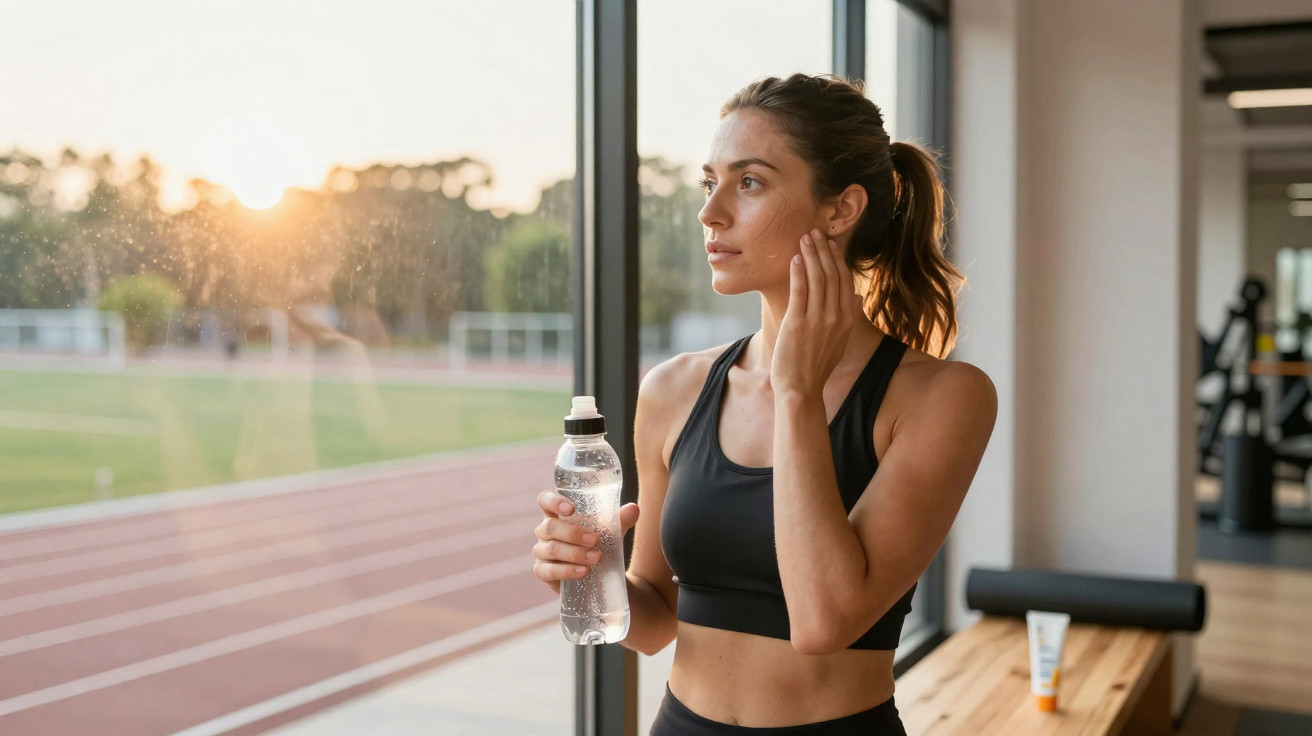
Although exercise is vital for health, many people are taken aback to notice that their face can look more tired - or even older - after phases of hard training. The question of why you look older the more you exercise is increasingly common, especially among those who work out regularly to boost appearance and wellbeing. In most situations, this visible change is not caused by exercise itself, but by factors such as loss of facial fat, sun exposure, dehydration, and poor recovery.
Why you look older the more you exercise?
One of the main explanations is a drop in facial subcutaneous fat. As the body loses fat, it tends to do so overall, including in the face. With less fullness in the cheeks, expression lines and wrinkles can appear more pronounced.
On top of that, very demanding training sessions can raise cortisol, often referred to as the stress hormone. When levels remain high, it can encourage processes that reduce skin elasticity and speed up signs commonly linked with ageing.
Which exercises can have a bigger impact on how your face looks?
Not every type of physical activity affects appearance in the same way. Long-duration, high-impact exercise is most often connected to so-called “runner’s face”, particularly when it’s done without supportive habits alongside it.
The factors most commonly associated with this effect include:
- Long-distance running on hard surfaces.
- Intense cardio sessions performed every day.
- Extended sun exposure during outdoor training.
- Reaching a very low body-fat percentage quickly.
How do dehydration and the sun influence skin ageing?
Skin relies on good hydration to look healthy. During exercise, you lose a significant amount of fluid through sweating. If you do not replace those fluids properly, the skin may look drier, duller, and less plump.
Beyond internal hydration, protecting the skin barrier from external damage is essential to reduce dryness and premature ageing. In the video below, dermatologist Dr Bárbara Milan (@barbaramilan-dermatologista) explains how environmental factors affect our skin’s texture and shows how to prevent day-to-day wear.
How can you keep the benefits of exercise without looking older?
It comes down to balance. Exercising remains one of the best ways to protect health and quality of life. The key is to mix training styles and avoid extremes that increase physical and metabolic strain.
Prioritising resistance training, eating a diet rich in protein and antioxidants, applying sunscreen daily, and respecting rest periods are all crucial steps. When your body gets the nutrition and recovery it needs, your skin is more likely to retain firmness, elasticity, and a youthful look - allowing you to enjoy the benefits of physical activity without sacrificing facial aesthetics.



Comments
No comments yet. Be the first to comment!
Leave a Comment