
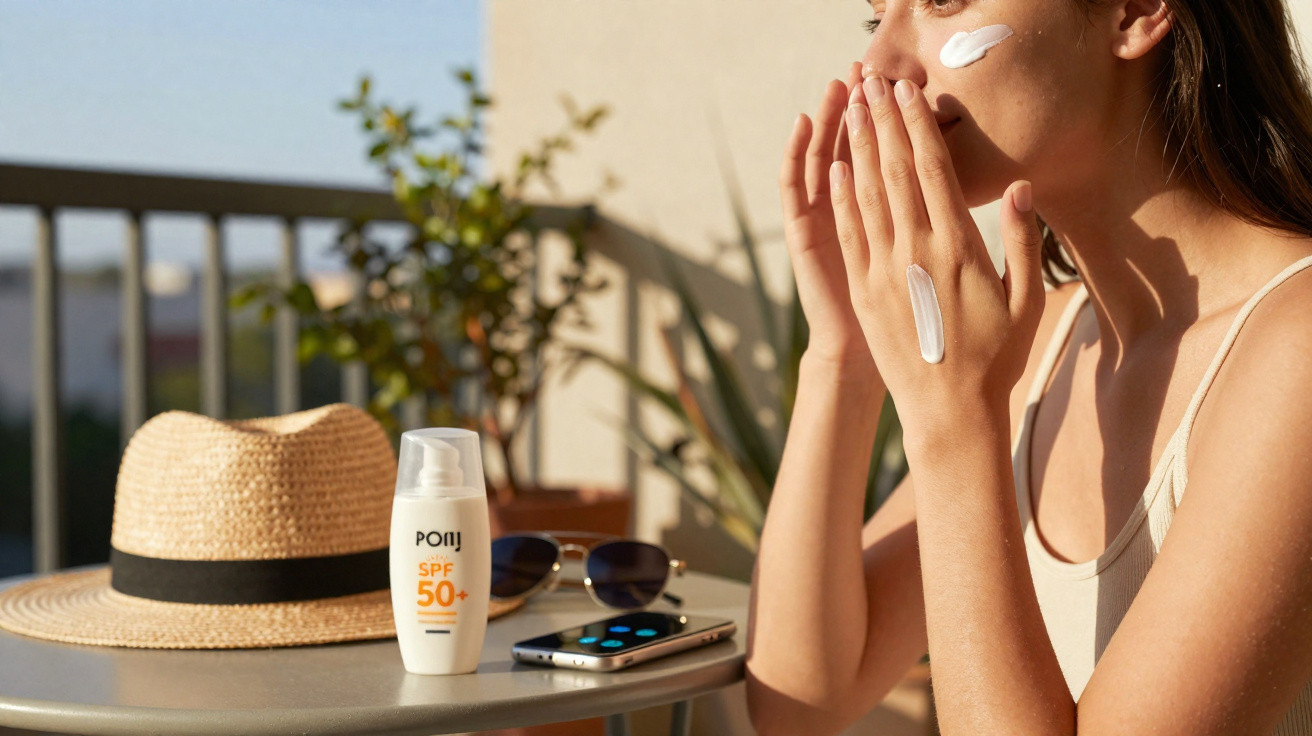
During the hottest beach and pool months, using dermocosmetics responsibly to manage intense exposure makes good everyday habits essential. Many people overlook proper technical guidance and end up harming skin health by keeping care routines too limited.
Does a high SPF protect you without the right amount?
Applying a product with a high protection factor can create a false sense of security when the amount used is below what is recommended. Skimping means chemical filters cannot deliver the photoprotection you actually need in summer.
Specialists also stress that spreading very thin layers dramatically reduces how much harmful radiation is blocked. Without the correct coverage across the epidermis, any commercial formula performs poorly and leaves the skin vulnerable to accumulated solar damage.
Is sunscreen in facial moisturiser enough to protect the skin?
Many cosmetics include protection against sunlight, but experts warn that the amount applied with these products rarely reaches what is needed… Read more
How should you measure the right amount of sunscreen?
To achieve the thickness recommended by health authorities, dermatologists suggest straightforward measures that fit into daily routines. The classic guidance of dosing based on the three-finger rule helps ensure facial product is spread evenly.
Standard medical advice calls for about two milligrams per square centimetre of skin to provide genuine protection. Regularly failing to meet this recommendation weakens the defensive barrier and increases the likelihood of burns caused by intense ultraviolet radiation.
Below is a video from the YouTube channel Dr Caroline Hespanhol – Dermatology & Health that explores the points discussed in this topic in more detail:
Why is sunscreen reapplication essential?
Even high-factor formulas lose protective power over time because of constant friction. Heavy sweating and contact with towels remove the protective film, making reapplication necessary to help prevent skin darkening.
The product typically lasts only a few hours on the skin after direct sun exposure. Gaps longer than two hours leave the face unprotected, allowing invisible light to trigger unwanted changes and speed up premature ageing.
Essential Summer Protection Kit
Core items - Review the main practices to keep your skin protected on sunny days:
- Generous application of a high-factor facial sunscreen.
- Regular reapplication every two hours when outdoors.
- Using a dedicated sunscreen in the three-finger amount.
How to maintain sun protection outdoors?
Active outdoor days require extra attention to how long you stay in the heat. Frequent contact with water in the sea or pool strips away the product layer, so it needs to be replaced immediately after a swim.
Even on overcast days, radiation passes through clouds and reaches the ground at a high intensity. Keeping up the habit of topping up your sunscreen helps prevent patches on the skin and reduces the risk of severe sunburn.
To maintain effective photoprotection during leisure time, follow these essential care steps:
- Do the first application about thirty minutes before leaving home.
- Choose cosmetics suited to your specific skin type.
- Reinforce the protective layer every time you dry your body with a towel.
Which habits complement skin care in summer?
Physical barriers are an excellent way to strengthen your defence against scorching sun. Wearing hats, sunglasses and clothing made with specialised fabrics offers greater protection for skin health against harmful rays.
Staying well hydrated is also crucial for keeping skin tissue intact during periods of intense heat. Combining water intake with daily photoprotection supports vitality and helps prevent cellular wear caused by light exposure.




Comments
No comments yet. Be the first to comment!
Leave a Comment