
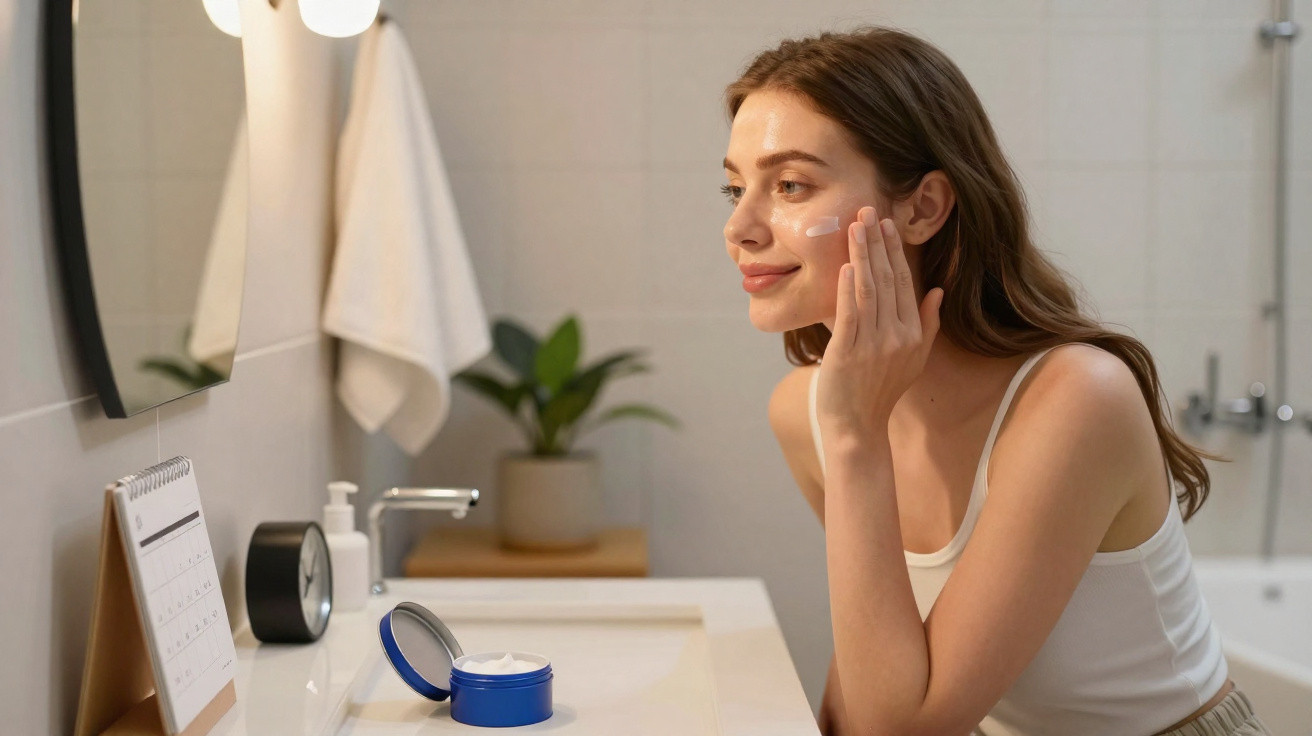
The classic Nivea Cream in the blue tin sits in countless bathroom cabinets. Many people reach for it on their hands, elbows, or as an all-purpose standby. But what happens if you use it on your face like a modern luxury skincare product - and only on one side?
The idea behind the self-experiment
Nivea Cream has been a mainstay on the beauty shelf for decades. The round, blue tin is almost treated like a family heirloom in skincare. Generations rely on it, whether as a hand cream, a stand-in for body lotion, or an emergency product when travelling.
In recent years, it has had another surge in popularity because it’s been shared across social media as a budget beauty hack. Users report smoother skin, less dryness, and a glow that supposedly rivals expensive overnight masks.
"The question: is classic Nivea Cream genuinely suitable as modern facial skincare - or is it just riding on a nostalgia bonus?"
To settle this for herself, the tester chooses a simple but telling method: for one week, she applies Nivea every evening to only one half of her face - while the other side stays on her usual routine.
How the Nivea test worked day to day
The tester doesn’t overhaul her baseline routine. She cleanses thoroughly, applies serum, eye cream, and her normal moisturiser. Only then does the blue tin come in - and only on one side of the face.
Evening routine at a glance
- Step 1: Double cleanse (to remove make-up and sebum)
- Step 2: Serum for hydration or anti-ageing
- Step 3: Eye cream around the delicate area
- Step 4: Regular face cream over the entire face
- Step 5: A thicker layer of Nivea Cream on just one half of the face, like an overnight mask
That final layer acts like a protective seal. In the beauty world, this trick is known as “slugging”: a rich, occlusive cream locks in what you’ve already applied and helps prevent too much moisture being lost overnight.
First effects after only a few days
Differences show up after the first few nights. The tester says that when she looks in the mirror in the morning, she can immediately tell which side had Nivea.
The treated half of the face looks:
- visibly better hydrated
- smoother, with a more refined skin texture
- less tight on waking
"The side with Nivea feels softer in the morning; the skin looks plumper and less crinkled."
Night-time is often described as a period when the skin works intensively. Cells renew, the barrier recovers, and moisture can be lost easily. With a thick layer of cream, you essentially create a “lid” that slows evaporation - and this appears to be where Nivea performs best.
What sits behind that rich, nourished feeling
Classic Nivea Cream is built on a very rich formula containing fats and waxes that sit on the skin like a film. At first, that can make the face feel heavy - almost waxy - but over time it tends to feel noticeably more nourished.
The effect can be explained roughly like this:
| Feature | Effect on the skin |
|---|---|
| Rich fats | reduce the sensation of dryness, leave the skin more supple |
| Occlusive film | lowers overnight moisture loss |
| Simple structure | stable, long-lasting, generally well tolerated by resilient skin |
If you deal with typical dryness - for instance in winter or in heated indoor spaces - you often notice the difference particularly clearly: redness calms down, and fine dehydration lines can look less visible.
The downside: not every skin type enjoys this much cream
The tester also finds that the experiment has its limits. If the Nivea layer is used every night, the skin eventually pushes back. Around the T-zone - forehead, nose, and chin - small blemishes begin to appear.
"Some pores look clogged, and tiny spots pop up - especially where the skin already gets shiny faster."
For anyone with oily or blemish-prone skin, the method can therefore be tricky. The dense texture may reduce dryness, but it can also create a build-up of warmth, which gives bacteria and sebum an ideal environment.
Who is Nivea slugging for?
- Ideal for: dry, normal, or more mature skin without a strong tendency towards spots
- Use with caution for: combination skin, oily skin, acne-prone skin
- Better to avoid: daily full-face use if you have heavily congested pores
The tester’s takeaway is that a thick layer of Nivea every day can be too much in the long run. Once a week - or every two weeks as a “care boost”, especially in winter - feels far more realistic to her.
How often does Nivea on the face really make sense?
If you want to use the cream as an overnight mask, these rough guidelines can help:
- Dry skin: apply a thin to medium layer at night 1–2 times per week.
- Normal skin: once a week, or as needed - for example after a day with lots of sun or wind.
- Combination and oily skin: use only on particularly dry areas, not across the entire T-zone.
Important: what you use underneath also matters. If your routine already includes rich oils and heavy creams, you’ll want to apply the Nivea layer more sparingly. Otherwise, “over-moisturising” can throw your skin off balance.
Why the blue tin still remains a beauty classic
Despite a few weaknesses, the test shows why so many households keep repurchasing it decade after decade. It covers a wide range of uses:
- as SOS care for chapped lips or sore nostrils after a cold
- as an overnight hand and foot cream with cotton gloves or socks
- as after-sun care when skin feels slightly tight
- as a protective layer in sub-zero conditions for face and hands
Used intentionally - rather than everywhere, all the time - it’s an inexpensive product with dependable performance. On the face, it tends to shine when skin temporarily needs more protection and a higher lipid content, such as in colder months or after irritating treatments like fruit acid peels, as long as you’re not already highly prone to blemishes.
What to keep in mind before trying it yourself
Before running a similar experiment, it helps to take a close look at your skin. If you’re very sensitive or acne-prone, it’s best to begin carefully: test it on a small patch first, such as one cheek. If you experience stinging, intense redness, or lots of new spots, the cream is probably not suitable for facial use.
If your skin is more tight, thin, or mature, you may benefit noticeably. A realistic approach: keep your usual lighter routine for five or six evenings, and on one night give your skin a particularly rich “coat” from the blue tin. That way, you can take advantage of the effect without overloading pores long term.
Overall, the one-week half-face test suggests the cult cream in the blue tin really can visibly smooth and hydrate - especially on the treated side. If you don’t treat it as an everyday, one-size-fits-all face cream but use it as a targeted overnight mask, you’re most likely to get what the tin has stood for for generations: simple, robust care with a noticeable effect.


Comments
No comments yet. Be the first to comment!
Leave a Comment