
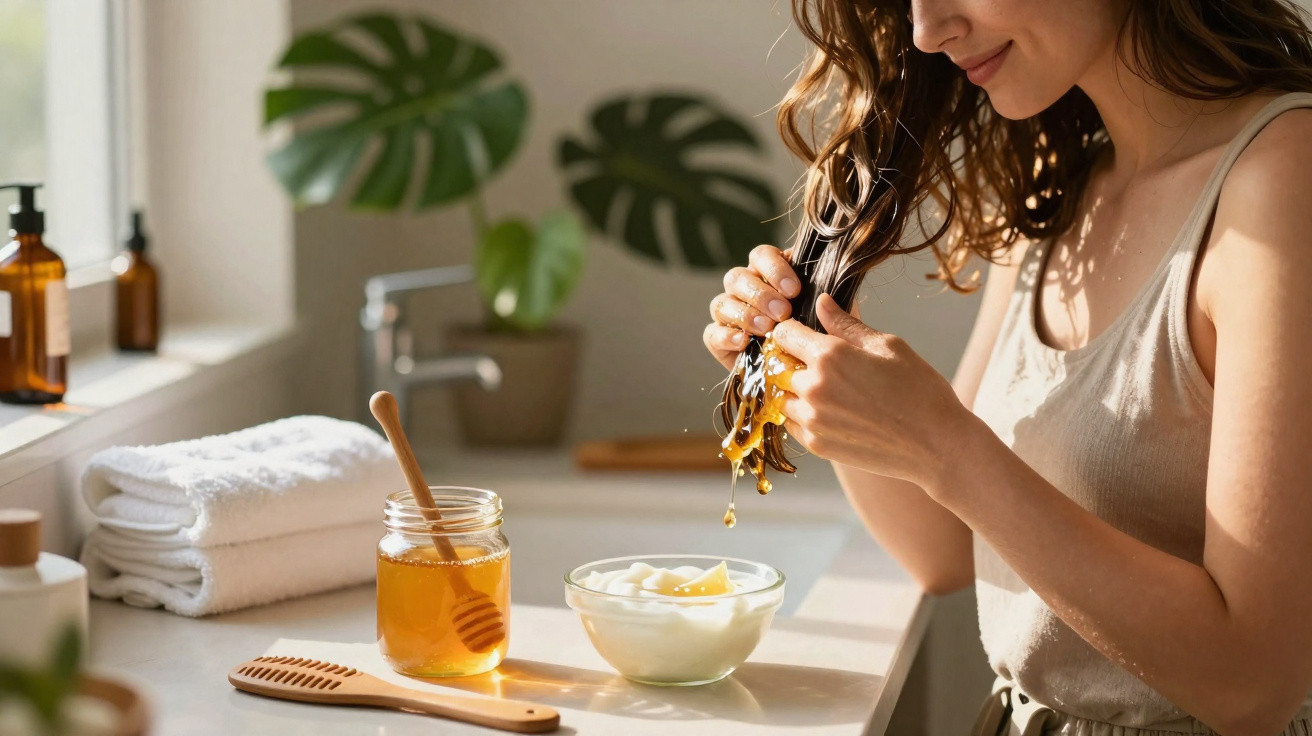
Your at-home hair care schedule can get an easy boost from a simple ingredient that many households already keep in the kitchen. Honey is well known for its moisturising qualities and, when used properly, it can help bring back softness and shine to damaged hair that looks dull.
How does honey help repair damaged hair?
Honey is rich in natural sugars, vitamins and antioxidant compounds that support water retention within the hair fibre. This helps the hair feel smoother, look shinier, and become less likely to snap and break.
While it is not a replacement for professional treatments in severe cases, it can be a useful addition to an at-home hair care schedule, especially during the hydration and nourishment stages.
Which honey mixes can be included in your routine?
Honey can be paired with popular ingredients to enhance different steps of hair care. Ideally, use fresh products and apply the mixture only to the lengths, avoiding applying too much to the scalp.
A few combinations are commonly used by anyone looking for a practical at-home routine:
- Honey + hydrating mask: boosts hydration and improves softness.
- Honey + olive oil: recommended for very dry lengths.
- Honey + aloe vera: supports hydration and a lighter feel.
- Honey + coconut oil: helps nourish dry hair.
- Honey + plain yoghurt: often used to leave hair feeling silkier.
How do you apply the treatment correctly?
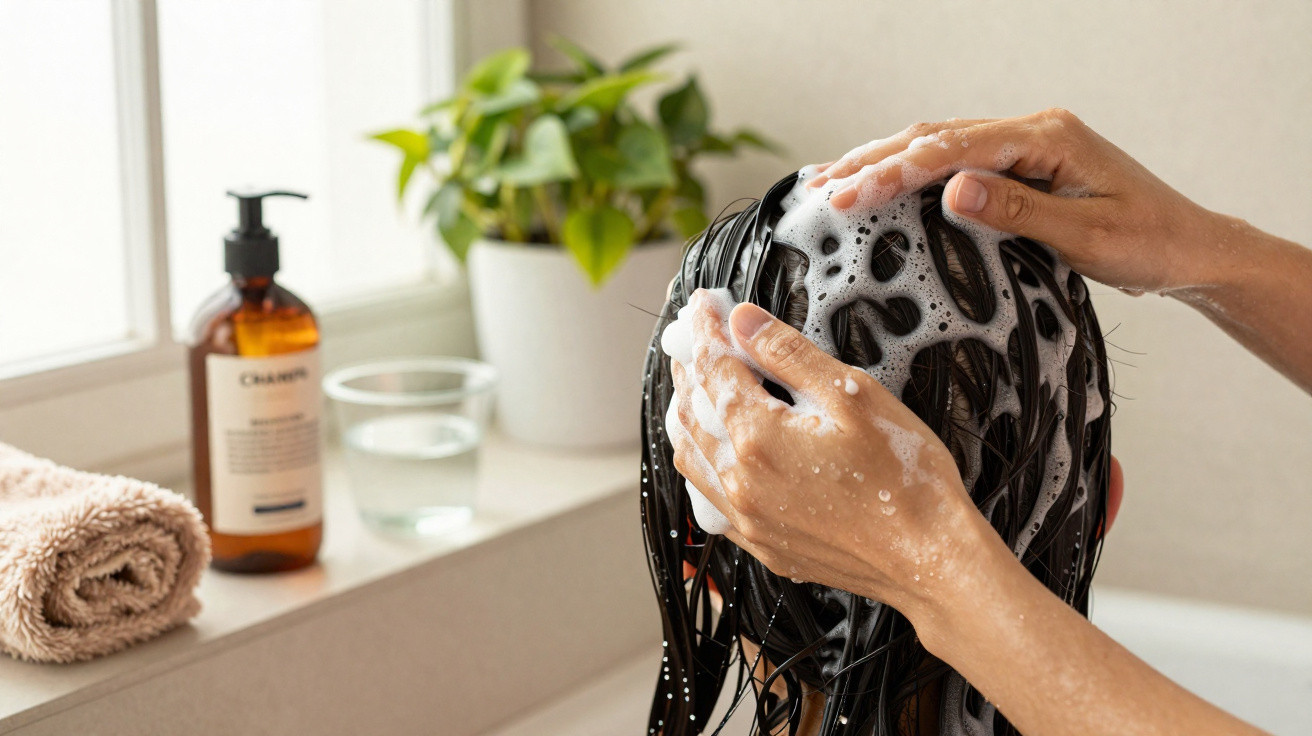
After washing your hair with shampoo, mix a small amount of honey into your chosen treatment mask. Apply only through the mid-lengths and ends, massaging section by section.
Leave it on for the time stated by the mask manufacturer, then rinse thoroughly. After that, finish as usual with conditioner if needed, and use heat protectant before any heat styling.
How often is it worth using honey in your hair care schedule?
How often you use it depends on what your hair needs. For very dry hair, a honey hydration step can be done once a week, while more balanced hair typically responds well to fortnightly applications.
Too many treatments can also disrupt the hair’s balance. For that reason, keeping an at-home hair care schedule that alternates hydration, nourishment and reconstruction tends to deliver more consistent results. See the benefits of a honey mask in the video shared by the Abner Matias channel:
What precautions matter before trying DIY recipes?
Even though it is a natural ingredient, honey may cause reactions in people with allergies. Before your first use, it is recommended to do a patch test on a small area of skin and stop immediately if irritation appears.
It is also worth remembering that DIY recipes are meant to complement daily care. If you experience heavy shedding, excessive breakage, or changes on the scalp, an assessment by a dermatologist is the most appropriate option.


Comments
No comments yet. Be the first to comment!
Leave a Comment