
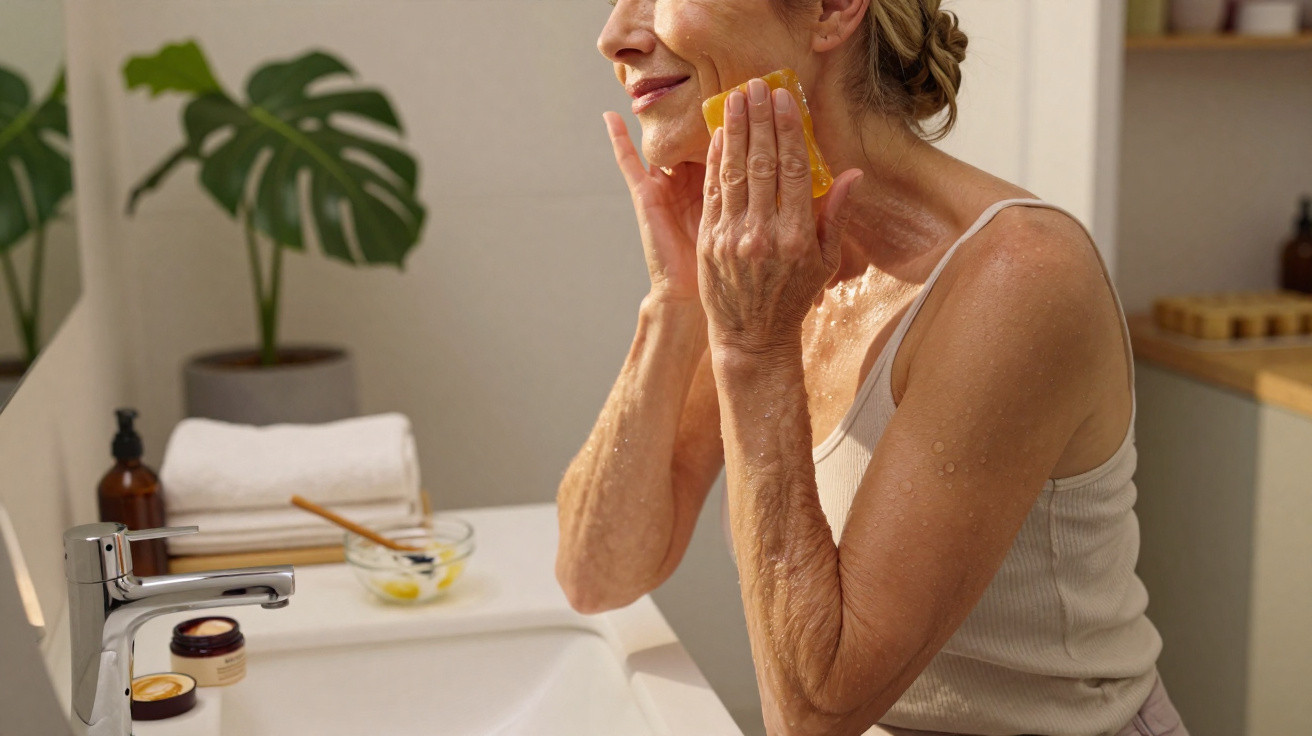
Across Europe and the United States, a small yet outspoken cohort of people over 60 is turning away from expensive anti‑ageing creams. In their place, they are making mild facial soap bars at home, saying their skin feels calmer, tight dry areas are less common, and they look fresher when they wake up.
The quiet rebellion against the cream jar
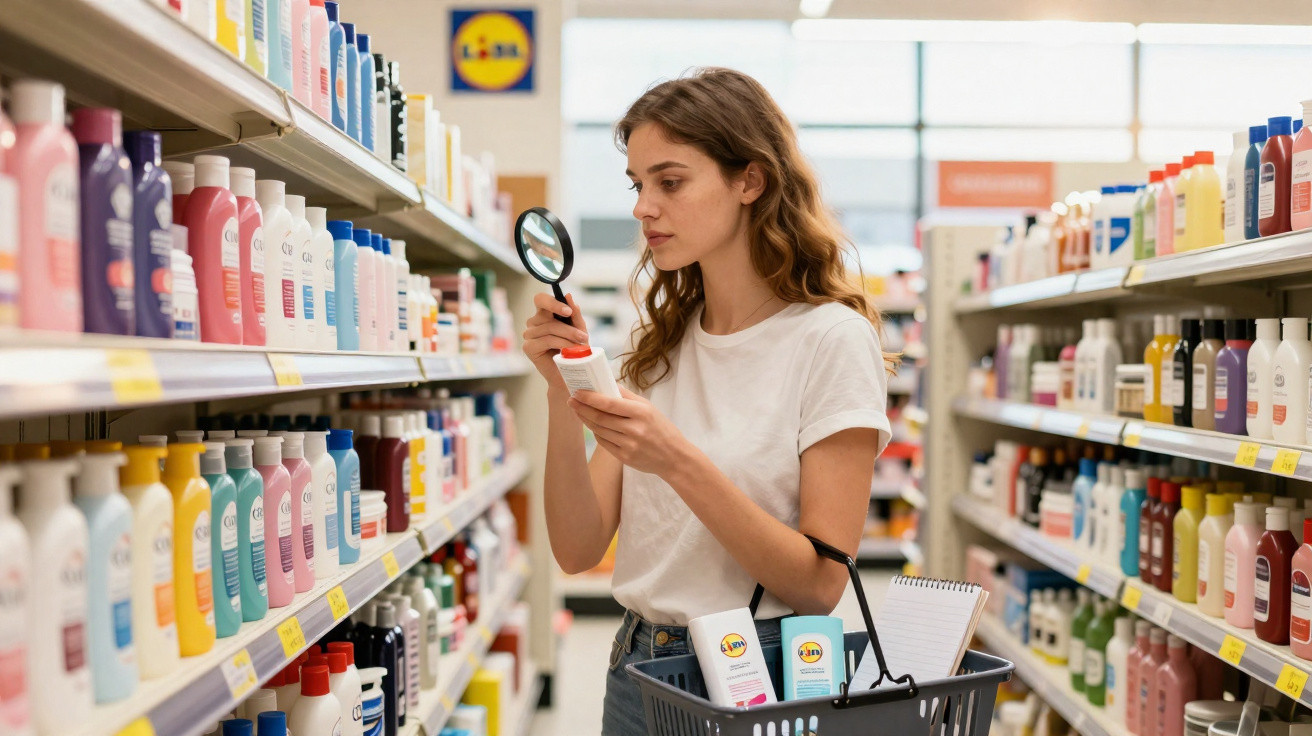
For years, “mature” skincare has followed the same pattern: a rich night cream, a separate eye cream, and perhaps a firming serum aimed at the jawline. After 60-when collagen levels fall and the skin barrier becomes more fragile-the marketing tends to become more insistent. The costs often rise in step.
Dermatologists, however, are increasingly emphasising a different risk: skin that is treated too aggressively and layered with too many products can respond with redness, stinging and persistent dryness, particularly later in life. People in their sixties and seventies often arrive with decades of sun exposure behind them, along with medication use, hormonal shifts and easily irritated capillaries. Skin in that state rarely thrives on a ten‑step routine.
"More older adults now question whether high‑priced anti‑ageing jars truly match what their skin can tolerate day after day."
Rather than chasing another “miracle” jar, some are returning to a simpler principle: cleanse gently, preserve moisture, and keep ingredient lists as easy to understand as a shopping list. In German‑speaking countries, the current focus is a glycerin‑based bar enriched with plant oils and soothing additions. The same approach is now appearing in English‑language forums and on TikTok, commonly described as “soap bars for mature skin” or “solid cleansing rituals for women over 60”.
What this glycerin soap bar trick actually is
The idea is almost deliberately straightforward. Instead of buying an anti‑wrinkle cream, people start with a neutral, low‑fragrance glycerin soap base, melt it carefully, mix in a small set of chosen ingredients, then let it set again in a mould. Used in the evening, the bar is intended to cleanse without stripping, leave a light lipid film, and slightly reduce moisture loss overnight.
Common additions include:
- Aloe vera gel: helps bind water in the upper skin layers and can soothe mild irritation.
- Rosehip oil: provides linoleic acid and antioxidants that help support the skin barrier.
- Vitamin E oil: slows oxidation in the oils and adds antioxidant support at the surface.
- Hydrolysed collagen powder: behaves more like a film‑former than a deep “plumper”, leaving skin feeling softer after washing.
- Lavender essential oil: added in very small amounts for fragrance and a sense of ritual.
"The effect does not come from one “hero” molecule, but from kinder cleansing and less water loss from the skin overnight."
Dermatologists quoted in European consumer magazines underline that collagen in a rinse‑off product will not rebuild deeper tissue; the molecules largely remain on the surface. What can change is how the skin feels immediately after cleansing: reduced tightness, fewer flaky areas, and fine lines that look a little softer simply because the outer layer is holding more moisture.
Step‑by‑step: how people make the bar
From kitchen counter to bathroom shelf
Exact recipes differ, but one frequently shared version uses ordinary kitchen tools and avoids fussy temperatures or specialist moulds. Below is a combined outline based on methods currently circulating in German and British beauty communities:
| Step | What to do |
|---|---|
| 1 | Melt 240 ml of neutral glycerin soap base in a water bath; keep it warm, not boiling. |
| 2 | Mix in 30 ml of fresh aloe vera gel using a wooden spoon. |
| 3 | Add 15 ml of rosehip oil and the contents of two vitamin E capsules. |
| 4 | Sprinkle in 15 ml of finely ground hydrolysed collagen and stir gently. |
| 5 | Finish with around five drops of lavender essential oil-no more. |
| 6 | Pour into silicone moulds and allow the bars to set at room temperature. |
The key is less about experimentation and more about keeping things minimal. If the base is allowed to boil, it can lose its clarity and may feel more drying on the skin. Whisking hard introduces air, which can leave cavities and an uneven finish. And using too much essential oil raises the chance of irritation-especially on thinner skin across the cheeks and neck.
Safety matters as well. Skin specialists repeatedly advise doing a patch test on the inner arm, particularly for anyone with a history of fragrance allergy or eczema. Redness or stinging within 24 hours should be treated as a warning.
How older adults actually use the soap
Most people don’t use this bar as an everyday cleanser. More commonly, it comes out two or three evenings a week, particularly when the person isn’t wearing heavy make‑up. The routine usually follows this pattern:
- Dampen the face with lukewarm water.
- Lather the bar between the hands, then spread the creamy film over the face for 20–30 seconds.
- Rinse with lukewarm water, avoiding extremes of hot or cold.
- Pat the skin dry with a soft towel rather than rubbing.
- If skin still feels dry, apply a straightforward light moisturiser or facial oil.
"Many women in their sixties report that their skin looks less “crumpled” on waking when evening cleansing feels gentle instead of harsh."
The bar is not positioned as a fix for deep folds or a way to reshape the jawline. What users tend to report is subtler: a more even‑feeling texture and slightly brighter skin around the eyes, as though overnight creases relax more quickly. Whether that reads as a “visible” change depends heavily on expectations, lighting-and, inevitably, on honest before‑and‑after photographs.
Where science meets ritual
Technically, this approach is mainly doing two things: reducing over‑drying during cleansing and helping the surface barrier with light oils. Glycerin draws water into the outer layer of skin, while rosehip oil supplies lipids that can reduce transepidermal water loss. Aloe can also settle mild redness, which many older faces notice after hot showers or periods of central heating.
Beyond the ingredients is something harder to quantify: control. Instead of relying on whatever a jar promises, people measure, stir and pour for themselves. They decide the fragrance intensity and even the bar’s shape. Social media is now full of heart‑shaped bars, shell designs and turtle moulds, shared in closed Facebook groups and messaging chats for women over 60.
Psychologists who research ageing and self‑care point out that these small actions can be meaningful. A personalised routine-even a simple one-can help people feel involved in their own ageing rather than positioned as targets for aggressive marketing.
Limits, risks and where this fits in a routine
What the soap cannot do
No dermatologist would argue that a home‑poured cleansing bar replaces sunscreen, prescription retinoids or medical care for chronic skin conditions. Deep wrinkles are largely the outcome of long‑term collagen breakdown, sun exposure, smoking and gravity. A gentle cleanser may improve the surface feel, but it cannot fully reverse structural changes in the dermis.
There are downsides to consider. Essential oils can trigger allergies. If kitchen hygiene is poor, microbes may be introduced-particularly if fresh aloe leaves or unclean utensils contaminate the mix. Anyone taking medication that thins the skin, or living with rosacea or active eczema, should speak to a professional before making sharp changes to their routine.
The non‑negotiables: sunscreen and daily habits
Across years of expert interviews on age‑related skin, the same hierarchy is repeated. For faces over 60, the most protective product is still the plain tube labelled with a high SPF. Applied every morning-even over a simple moisturiser-broad‑spectrum sunscreen helps prevent further pigmentation and texture damage more reliably than any premium night cream.
"A well‑chosen SPF, moderate sun exposure, enough sleep and a calm nervous system tend to shape older skin more than any single cosmetic trick."
Diet can matter in quieter ways, too. Protein supports ongoing collagen production, while vitamin C helps that process and acts as an antioxidant. Gentle movement improves circulation, which may bring more colour to skin that often looks duller in later decades.
Why this trend resonates now
The rise of soap bars says as much about money as it does about beauty. With living costs climbing, shelves of £80 anti‑ageing creams can feel difficult to justify-particularly for pensioners. A block of glycerin base plus a few small bottles of oil, bought once, can last months and allow repeated batches for a fraction of the price.
At the same time, there is a wider move towards lower‑waste products. Solid bars reduce plastic packaging, are easier to ship and take up less room in bathroom cupboards. Some people also find that shifting from a crowded counter to just two or three core products brings an unexpected sense of relief.
For anyone tempted to try the approach, cosmetic chemists recommend beginning with the simplest version: a fragrance‑free glycerin bar with a small amount of added oil. If the skin tolerates that for several weeks, more elaborate versions incorporating aloe or collagen can come later. Keeping a basic diary of sensations-tightness, redness, itching, softness-can help separate the pleasure of the ritual from the skin’s actual response.
For those who like making things, the process itself can become a regular pastime, much like baking. Some older couples even hold “soap afternoons” with grandchildren, making facial bars for grandparents and gentler body soaps for children using different colours and scents. That adds another dimension: ageing care not as a private struggle, but as something shared, ordinary and quietly comforting.
Comments
No comments yet. Be the first to comment!
Leave a Comment