
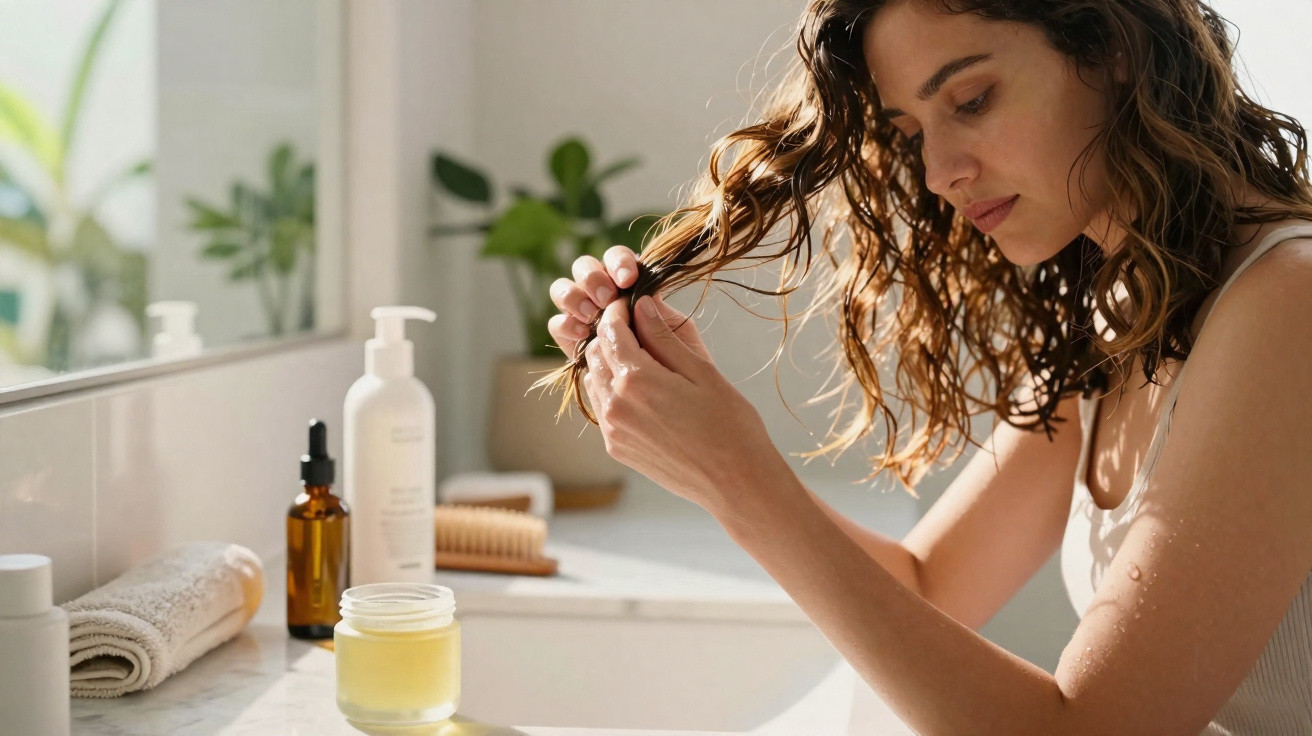
Even with intensive treatments, masks and pricey shampoos, many people still end up with hair that looks dull and snaps easily. A well-known hairstylist from Los Angeles therefore recommends a surprisingly straightforward pre-wash routine that he is said to use on celebrities too: oil first, then wash, then conditioner. When done properly - and with the right oil - the approach promises noticeably softer, smoother hair within just a few weeks.
What the ÖWC method is really about
The abbreviation ÖWC stands for “Oil – Wash – Conditioner”. It is not a complicated salon-style treatment, but simply a different order for wash day. The concept is that your hair gets a protective layer before it comes into contact with shampoo and conditioner.
“Oil before washing is meant to stop shampoo from drying out the lengths unnecessarily and flushing proteins out of the hair.”
Although the steps look almost too basic, they are designed to achieve a specific outcome: to help the hair retain moisture and structure more effectively - particularly if the lengths are already damaged.
How the routine works, step by step
- Oil: Work a small amount through the mid-lengths and ends, gently smoothing it in.
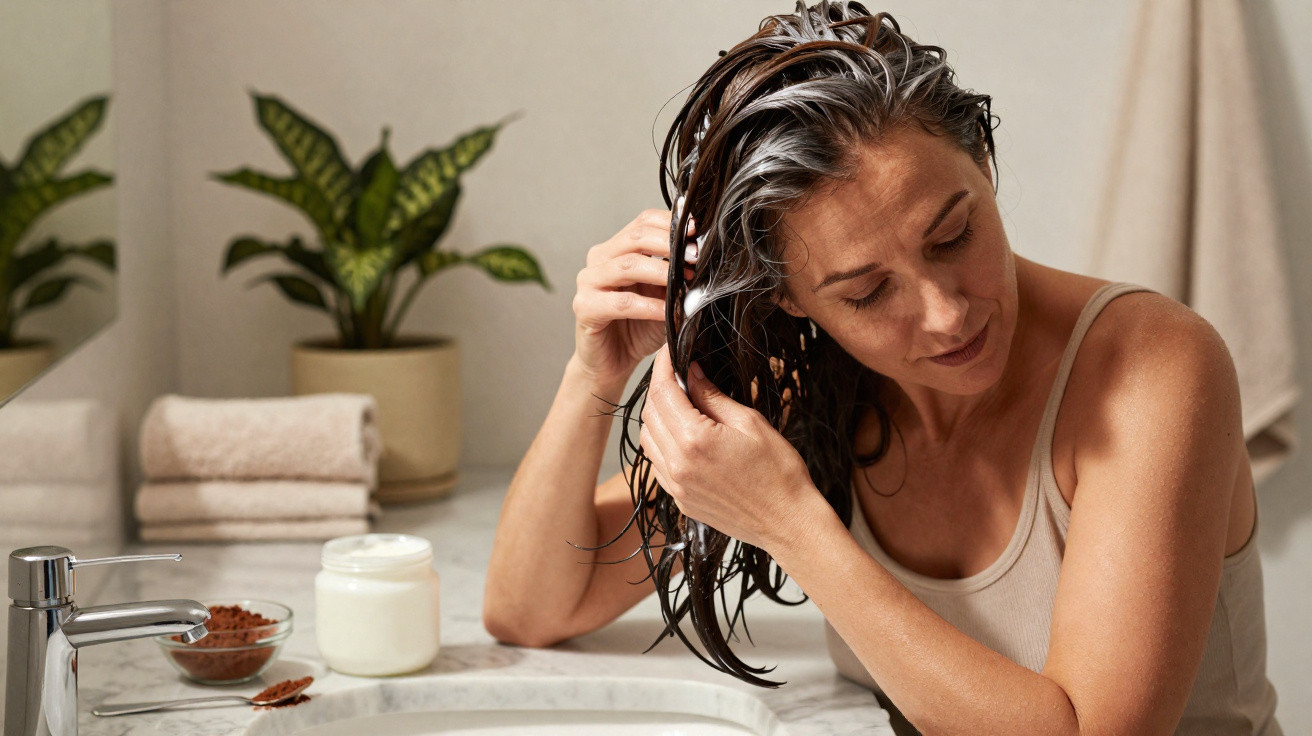
- Wash: Apply shampoo mainly to the scalp; avoid rubbing it through the full lengths.
- Conditioner: After rinsing the shampoo out, apply conditioner to the lengths and ends, leave it on briefly, then rinse.
In other words, it is only a slight tweak on a typical wash routine - the key difference is the pre-wash oil and a more deliberate, scalp-first approach to shampoo.
Why oil before washing can make sense
On social media, the ÖWC method can look like just another passing trend. However, some dermatology and cosmetic sources do offer plausible reasoning for why it might help.
One widely referenced study published in a medical research database found that coconut oil significantly reduced protein loss from hair. The effect was seen in both damaged and intact hair - and it appeared both when used before washing and when used after washing. In the same study, sunflower oil and mineral oil did not achieve this.
Protein loss is one of the main contributors to breakage, split ends and lengths that look lifeless. This is exactly where the ÖWC method aims to help: the oil is intended to buffer the hair from direct contact with shampoo and slow the loss of structural components.
Coconut oil in the spotlight - but not every hair type loves it
Across many accounts, one oil shows up again and again: coconut oil. Specialist sources describe it as an oil that can penetrate deep into the hair fibre and bind to proteins. A long-term study looking at the scalp microbiome also suggests coconut oil may improve scalp conditions - for example, by supporting a more balanced interaction between bacteria and fungi.
Even so, coconut oil is not automatically a good match for every hair texture. On very fine hair it can weigh the hair down quickly, while on thicker, drier hair it may initially leave a stiff feel if you use the wrong amount.
Which oils to consider - and what for
| Oil | Key characteristic | Best suited to |
|---|---|---|
| Coconut oil | penetrates deeply, protects proteins | damaged, porous, thick hair |
| Argan oil | lighter feel, smooths the surface | medium to thick hair texture, frizz |
| Jojoba oil | similar to skin oils, relatively lightweight | finer hair, sensitive scalp |
| Olive oil | rich, heavier | very dry, strong/coarse hair |
The most important rule is to start small. For mid-length hair, a pea- to almond-sized dollop is often more than enough.
Who this washing routine is most interesting for
This approach will not suit every hair type in the same way. That said, if your lengths are very dry, the routine can make a noticeable difference.
“If you have dyed, bleached or naturally coily hair, every single wash puts stress on the structure. A layer of oil beforehand can really help here.”
Hair types that may benefit the most
- dyed or bleached hair
- hair with visible frizz or frequent breakage
- very dry, curly or wavy hair
- hair that is styled with heat often (straighteners, curling iron, hairdryer)
If you already feel that shampoo dries your lengths out every time, the ÖWC method offers a comparatively simple way to counter that.
When the method is more likely to cause problems
With very fine hair or a scalp that becomes oily quickly, the effect can backfire. Using too much oil may leave the hair flat and the roots greasy, which can push you into washing more often. That, in turn, increases the strain on both hair and scalp again.
Dermatology guidance stresses that washing frequency should always be based on your individual hair type. Oily scalps generally need more frequent washing, while dry or highly textured hair typically needs less. If you work completely against what your hair type needs, you may end up with irritation or dull-looking lengths.
How to use the ÖWC method in real life
If you want to try it, it is best not to start with an “extra-strength oil treatment”. A practical way in looks like this:
- Split dry or slightly damp hair into two to four sections.
- Rub a small amount of oil between your palms.
- Smooth it only through the lengths and ends, not onto the scalp.
- Leave it on for 10 to 30 minutes, depending on hair thickness.
- Apply shampoo primarily to the scalp; let only the foam pass through the lengths.
- Rinse, then apply conditioner to the lengths and ends, and rinse again.
For many people, using the routine once or twice a week is enough. If you wash daily, you can apply oil only every other wash to avoid over-conditioning.
How quickly can you expect results?
Some users say their lengths feel noticeably softer after just two or three uses. A more realistic professional timeframe is several weeks. Hair that is structurally damaged will not rebuild itself completely, but it can look and feel far more cared for through reduced protein loss and less friction.
Particularly with bleached or heavily chemically treated hair, it is worth doing a side-by-side comparison: before-and-after photos over four to six weeks tend to show changes more clearly than you notice day to day.
Risks, limitations and sensible add-ons
Despite the praise, the method is not a replacement for the basics of hair care. If you bleach regularly, use high heat, or wear very tight hairstyles, you are still damaging the hair structure. Oil before washing can reduce the impact, but it cannot cancel it out.
Scalp irritation is rarely caused by the oil layer itself; it is more likely to happen when oil forces you into harsher re-washing. Vigorous scrubbing or very strong shampoos can encourage flaking and itching. In that case, it can help to choose milder surfactants and use lukewarm water instead of very hot showers.
Useful additions include heat-protectant sprays before using a hairdryer or straighteners, microfibre towels or cotton T-shirts for drying instead of rough towels, and soft hair ties without metal parts. Combined with the ÖWC method, these choices can create a routine that puts noticeably less stress on both hair and scalp.
It also helps to understand common wording on shampoo and conditioner bottles: “moisture” is mainly about a soft, light feel, while “repair” usually aims to compensate for structural loss using film-forming ingredients and proteins. If you combine the oil routine with too much protein-heavy care, hair can start to feel stiff and brittle - in that case, switching temporarily to more moisture-focused products can help.
If you are curious, you can trial the ÖWC method for four weeks as part of your routine. With mobile phone photos, minimal product and an honest assessment of your own hair type, it is fairly easy to see whether this Hollywood trick makes a difference in your own bathroom.




Comments
No comments yet. Be the first to comment!
Leave a Comment