
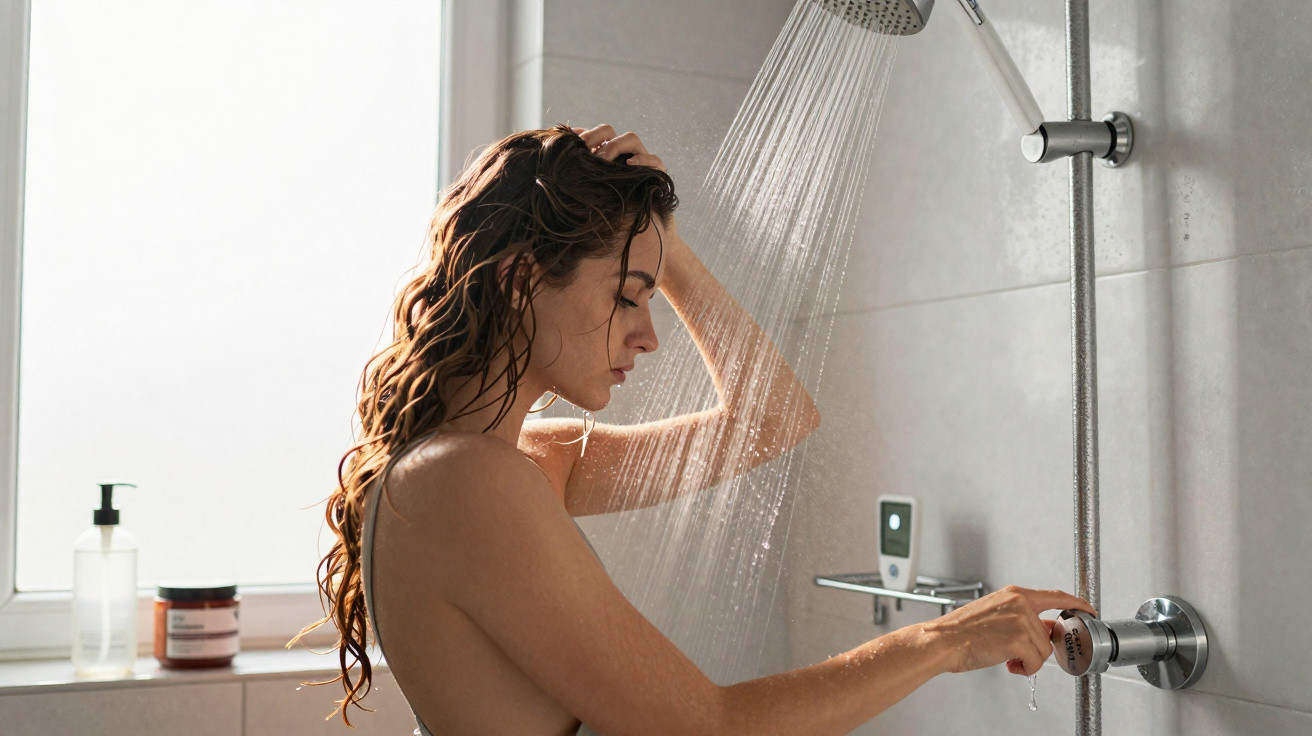
Hot water on the hair can feel pleasant in the shower, particularly on cold days, but excessively high temperatures may affect the way the scalp and hair behave. Its impact goes beyond cleansing: too much heat can contribute to dryness, discomfort and changes in the hair’s appearance.
Why can very hot water change the appearance of hair?
Hot water can strip away some of the natural oils on the surface of both the skin and hair, especially during lengthy showers. Removing too much of this oil can leave the scalp feeling dry and make the hair feel less soft to the touch.
At the same time, water temperature should not be seen as the only cause of hair concerns. Shampoo, how often hair is washed, chemical treatments, heat exposure and the individual characteristics of the hair can also greatly affect its appearance.
Which aspect of water temperature needs attention?
The key point is to avoid temperatures that cause discomfort or make the skin turn red. The scalp is an extension of the skin and may respond to excessive heat with dryness, irritation or an unpleasant sensation.
On the hair itself, combining very hot water with harsh washing can increase the feeling of roughness. This may happen because the routine removes more lipids from the surface, while hair already has a structure that is affected by friction and other mechanical damage.
How can you wash your hair without encouraging dryness?
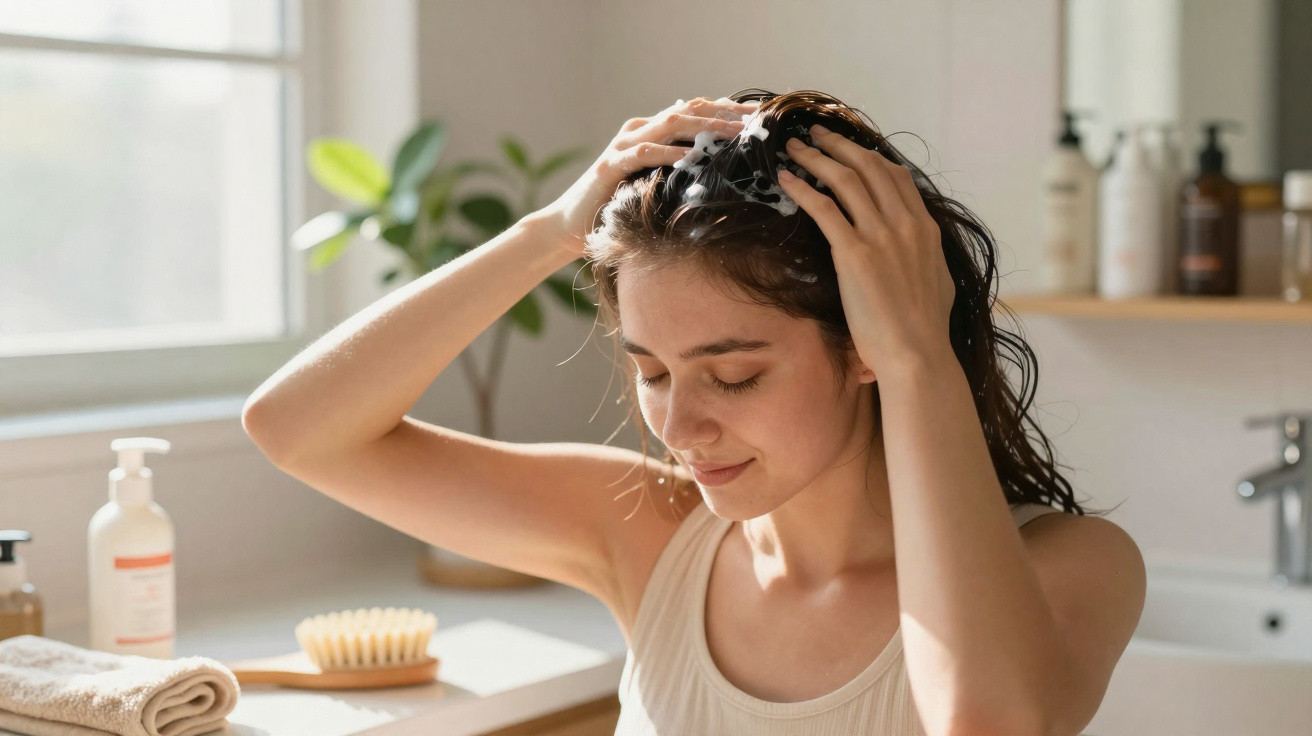
Choose a comfortable temperature and avoid spending too long under excessively hot water. When washing, apply shampoo mainly to the scalp and massage gently with your fingertips, without scrubbing forcefully.
Then rinse thoroughly and use conditioner according to your hair’s characteristics, concentrating particularly on the lengths and ends. Frequent use of heat sources, such as hairdryers and heated styling tools, should also be managed to limit cumulative exposure.
Who should adjust this care, and in which situations?
People with a sensitive scalp or hair that is already dry may notice the effects of very hot showers more easily. Bleached, chemically treated or very dry hair may also require a gentler routine to reduce friction and loss of moisture.
If there is persistent itching, severe flaking, sores or other scalp changes, simply changing the shower temperature may not be enough. In these cases, a dermatological assessment may help identify the cause. Reducing excessive heat can therefore be a simple care measure, but it does not replace investigation when symptoms persist.





Comments
No comments yet. Be the first to comment!
Leave a Comment