

The tub looks unremarkable.
No frosted glass. No gold cap. No cursive influencer slogan. Just a plain white pot sitting on a dermatologist’s worktop, with a name you’re unlikely to have spotted in a Sephora haul. And yet, in real-world testing judged by a panel of dermatology experts, this was the cream that quietly outperformed dozens of glossy, hyped best-sellers.
While marketing teams battle for shelf space and screen time, this understated, old-school moisturiser has been doing the rounds out of sight - shared between clinics and recommended softly to people with “difficult” skin. No fragrance, no shimmer, no viral hashtag. Just outcomes.
One dermatologist captured it in five words I couldn’t forget: “Boring formula. Brilliant skin barrier.”
It also made me question what we miss when we keep chasing the shiny stuff.
The underdog cream dermatologists are quietly obsessed with
I noticed it for the first time in a cramped consulting room - the sort with unforgiving ceiling lights and a faint disinfectant smell. A 32-year-old woman sat on the examination chair with cheeks that looked scraped raw after months of trialling “glow” routines lifted from TikTok. She’d arrived with a tote bag packed with serums and ampoules, some costing more than €80 a bottle.
The dermatologist heard her out, scanned the ingredient lists… then opened a drawer and produced a small, anonymous-looking jar. No logo. No famous face. “Use this,” he said. “Twice a day. Nothing else for now.” She stared at it as if it couldn’t possibly be enough.
Three weeks later she returned with calmer skin - and far fewer products in her bag.
If you speak to dermatologists candidly, you hear variations of this story again and again. On camera they’ll politely reference big names; in private, when the conversation shifts to “what actually works in my clinic?”, the same category of product keeps coming up: thick, practical creams with short ingredient lists and clinical roots.
At a recent dermatology conference, an internal survey compared patient outcomes across dozens of moisturisers for dry, sensitive and compromised skin. Brand names were removed, and assessors judged only texture, tolerance and barrier repair. The top performer was an old-style formula from a small lab - largely sold through pharmacies and hardly promoted online.
Several experts said the result was exactly what they’d expect. “Our job isn’t to impress people in their bathroom selfies,” one dermatologist told me. “Our job is to get them out of crisis mode.”
Scientifically, the conclusion is almost blunt. Skin doesn’t respond to branding; it responds to molecules. A cream built around humectants such as glycerin, classic occlusives like petrolatum, and barrier-supporting lipids can quietly beat a luxury moisturiser crowded with exotic botanical extracts.
Cutting out fragrance and fashionable irritants also matters more than most of us like to admit. When the skin barrier is already compromised - by over-exfoliation, harsh weather, or a retinoid routine pushed too quickly - “fancy” actives can sting, whereas a so-called boring cream simply moisturises and shields. That’s why dermatologists often reach for these plain pots after peels, lasers or eczema flare-ups.
There’s a mental benefit too: one product, straightforward instructions, and no 40-minute routine. In a world of complexity, this kind of moisturiser feels like a full stop.
How to use a plain old-school cream like an expert
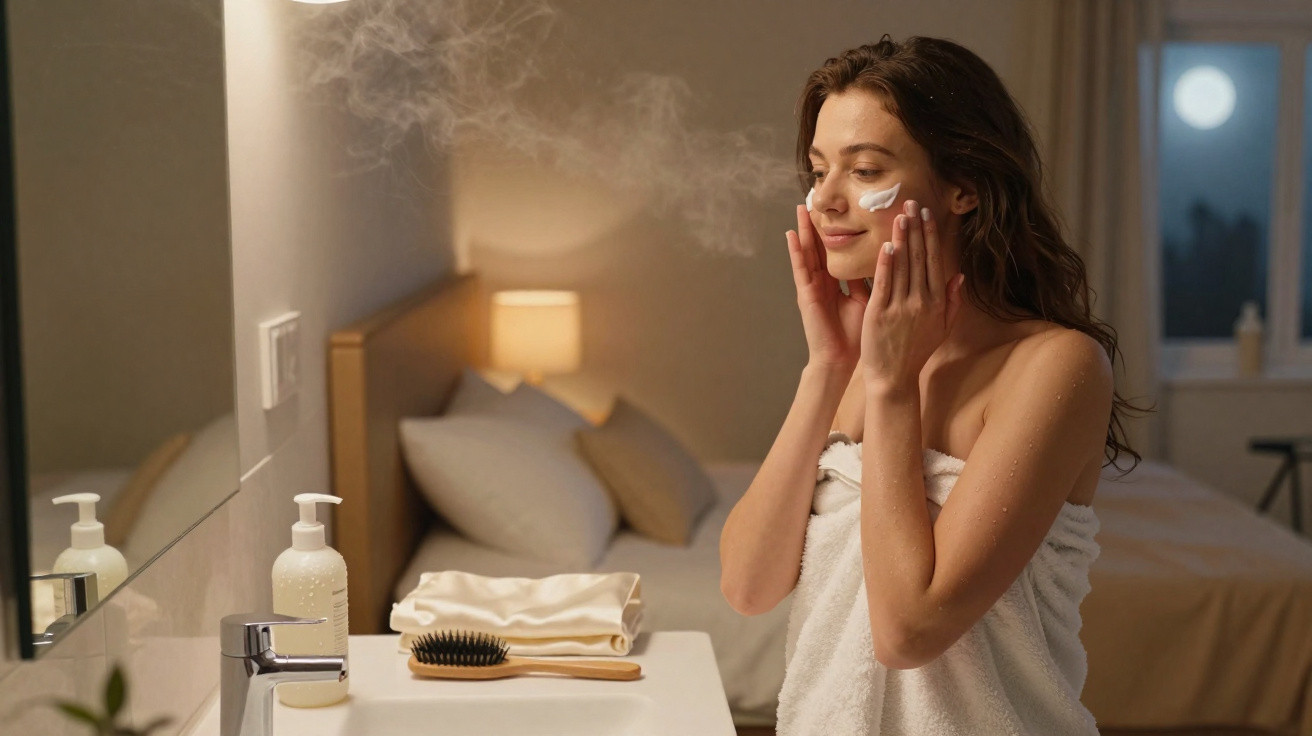
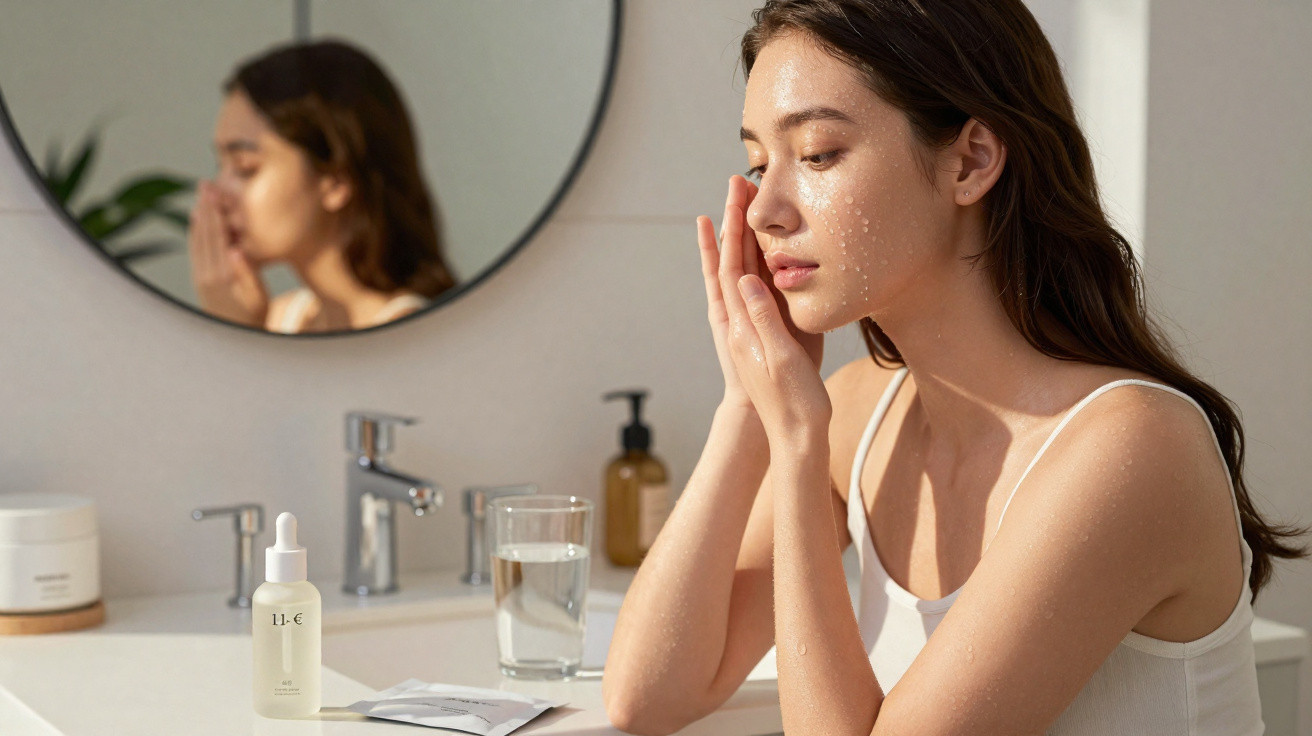
Dermatologists don’t usually hand over that anonymous jar and send you on your way. There’s typically a process. First comes timing: apply the cream to slightly damp skin, not fully dry skin. After washing with a gentle, low-foam cleanser, patients are told to pat - not rub - with a soft towel, leaving a light veil of moisture.
Next is quantity. Most people under-apply moisturiser and then assume the formula is the problem. For face and neck, experts often suggest roughly a pea-and-a-half sized dollop, warmed between the fingers and then pressed into the skin section by section: cheeks first, then forehead, then chin and nose, finishing around the eyes with whatever remains on the fingertips.
The touch is unhurried and almost lazy. Don’t tug. Don’t scrub. Let the cream settle for a few minutes before SPF in the morning, or before going to bed at night.
Then real life shows up. In theory, the “perfect” routine sounds tidy: gentle cleanse, generous cream, daily SPF, repeat without fail. In practice, people are busy, forgetful, exhausted, or simply put off because the bathroom is cold. Let’s be honest: hardly anyone does this every single day, to the minute, like in those flawless videos.
Dermatologists understand that, so they often strip things back. Many tell patients to treat the plain cream as non-negotiable - like brushing your teeth - and view everything else as optional garnish. Miss your toner? Fine. Skip your serum on a late night? It happens. But keep the moisturiser going, especially when your skin feels tight, prickly or unusually red.
Another common slip with these “basic” creams is impatience. After a week of calm, it’s tempting to jump straight back into acids, peels or a trio of brightening serums. That’s frequently when irritation starts all over again.
“People think ‘basic’ means weak,” a dermatologist in Lyon told me. “Often it means precisely calibrated. The fewer risks in the formula, the more we can trust it on fragile skin.”
Ultimately, what this unbranded winner highlights isn’t one magical pot so much as a broader pattern. Skin - particularly reactive or mature skin - often does best with consistency rather than novelty. It’s not a glamorous idea, but once it lands, it can feel freeing.
- Use a simple, fragrance-free cream twice daily when your skin is irritated or after aggressive treatments.
- Add active serums only once your barrier feels steady and comfortable - never on skin that stings or is peeling.
- Judge products by how your face feels after a week, not by how they look lined up on the shelf.
What this “ugly winner” says about our relationship with skincare
On a deeper level, this dermatology verdict feels like a soft but firm reality check. We claim we want healthy skin, yet we often pursue excitement instead - new launches, limited editions, and that one serum everyone films themselves applying in slow motion. The anonymous clinic cream doesn’t fit the fantasy, even though it’s often the product quietly rescuing skin behind the scenes.
There’s comfort in that on a human level. And on a budget that doesn’t stretch to €90 moisturisers, there’s even more comfort. You don’t need a famous logo to get expert-level care; you need a formula that respects the skin barrier and a routine you can actually stick to on a tired Tuesday night. Most of us have had that moment of looking at a crowded bathroom shelf and thinking, “How did it get this complicated?”
Perhaps the real change is shifting from “What do I want to try next?” to “What does my skin quietly thank me for?” That small adjustment can reshape buying habits, morning routines, and even the way we talk about ageing or imperfections. It isn’t a minimalist manifesto - just a kinder, more forgiving approach.
When dermatologists put a no-name, old-style cream at number one, they’re not only scoring texture. They’re choosing skin that feels comfortable within its own barrier. They’re favouring routines that still work outside polished bathrooms and perfect timetables. They’re backing care that doesn’t need a filter.
There’s also relief in letting an “unpretty” product take centre stage. It creates space to spend your energy - and money - on what genuinely enriches life: sleep, stress, sunlight in sensible doses, the glass of water you keep meaning to drink, or getting help when your skin is truly struggling.
Maybe that’s why the verdict hits so hard. It isn’t only about a jar on a clinician’s desk. It’s the quiet possibility that less noise, less branding, and more listening - to experts and to your own skin - might be one of the most radical beauty moves left.
| Key point | Detail | Why it matters to you |
|---|---|---|
| Old-style creams can outperform big brands | Dermatologists often see stronger barrier repair and better tolerance with simple, fragrance-free formulas from smaller labs. | Encourages more thoughtful spending and less reliance on hype. |
| Method matters as much as the product | Using the cream on damp skin, in the right amount, and with consistency can dramatically improve results. | Offers a practical way to get more out of what you already own. |
| “Basic” routines support long-term skin health | Steady, low-irritation care helps prevent flare-ups and leaves room for targeted actives when skin is ready. | Makes it easier to build a routine that survives real life and busy days. |
FAQs:
- How can I recognise this kind of dermatologist-approved old-style moisturiser? Look for short ingredient lists, no added fragrance, and an emphasis on humectants (such as glycerin) and occlusives (such as petrolatum or mineral oil). It’s often sold in pharmacies in plain packaging, with wording around “barrier repair” or “for sensitive skin”.
- Are expensive moisturisers always worse than these no-name creams? Not necessarily. Some premium creams are backed by excellent science. The point is that price and prestige don’t guarantee better outcomes. A modest formula can absolutely match - or beat - a luxury one for hydration and comfort.
- Can I still use my serums and actives with a basic cream? Yes, provided your skin barrier feels settled. Many dermatologists suggest using the plain cream as a base layer or “anchor”, then reintroducing actives gradually on top while watching for stinging, redness or flaking.
- How long should I test a simple moisturiser before judging it? Typically two to four weeks of consistent use, morning and night, on clean skin. That’s usually long enough to tell whether your skin feels less tight, looks less blotchy, and has fewer flare-ups or dry patches.
- What if my skin still reacts to these simple, fragrance-free creams? It can happen with very reactive or medically complex skin. In that situation, it’s worth booking a dermatologist appointment for patch testing and personalised guidance, rather than continuing to experiment blindly at home.




Comments
No comments yet. Be the first to comment!
Leave a Comment