
On a wet Tuesday at the rehab clinic, the waiting area could have passed for a swimming club catch‑up. Goggles dangled off kit bags, towels poked out of rucksacks, and people happily compared notes about their “gentle” lengths in the pool and their weekly Pilates sessions.
Beside them, a middle‑aged man in running trainers fidgeted, looking as though he’d somehow missed the memo.
The physiotherapist called his name first.
Ten minutes later, the message carried straight through the thin door: “You want that knee better? We’re going to have to get you walking differently. Not hiding in the water.”
A few heads lifted.
An unwritten rule of knee pain rehab had just been challenged.
Joint care is shifting, and plenty of people aren’t expecting it.
Why classic “gentle” exercises are suddenly under fire
For a long time, swimming and Pilates have been marketed as the safe option for sore knees. Low impact, flowing movement, no jolts, no jumping - it sounds like the ideal combination.
Yet a growing number of sports doctors and physios are seeing the same thing play out.
People do all the “right” low‑impact activities, but their knees still complain the moment everyday life returns: climbing stairs, walking up hills, carrying shopping, running for the bus.
The pool can feel brilliant, the class can feel worthy, and the knee can still feel unimpressed.
That mismatch - between rehab tasks and real‑world demands - is where the old approach is starting to look shaky.
Consider Sophie, 43, an office worker and devoted owner of a premium gym membership. After early signs of knee osteoarthritis, her GP advised her to avoid running and “stick to swimming and Pilates”.
She took it seriously: three swims a week and two Pilates classes.
Half a year later she could hold a plank effortlessly and glide through 40 minutes in the pool.
Then came a single weekend hike with friends.
On the way down, her knee puffed up, and she limped for three days.
Her scans hadn’t deteriorated.
Her pain had.
So had her frustration.
And it’s this exact pattern that’s forcing clinicians to reassess the old rehab gospel.
The straightforward reality is that your knee doesn’t spend its life in water or on a mat.
It spends its days on pavements, on slopes, over uneven ground - with your full body weight loaded through it, and gravity doing its job from morning to night.
Swimming offloads the joint so much that it never has to learn to cope with your day‑to‑day demands.
Pilates, especially when you’re lying down or seated, can be excellent for the core and hips… while barely testing how well your knee manages your weight during movement.
So yes: you work out, you perspire, you feel as though you’ve done something positive.
But your knee often doesn’t rehearse the skill it most needs for real life: taking your weight, step after step, under pressure.
The unexpected activity experts are quietly pushing: walking with intent
The new hero of knee rehab isn’t a fancy machine or a premium class.
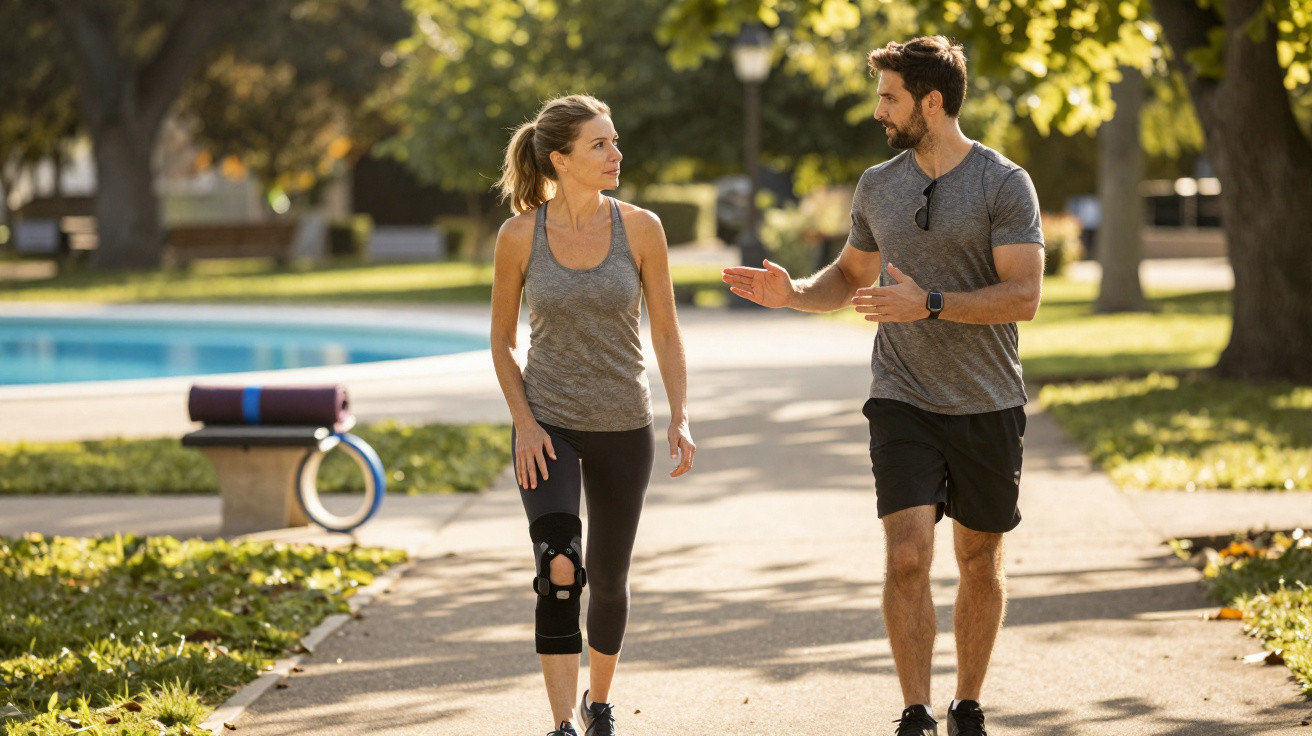
It’s walking - not the absent‑minded kind while you scroll your phone, but planned, progressive walking that’s slightly uncomfortable in a controlled way.
Many sports doctors now describe knee recovery as “load training”.
In practice, that means carefully increasing how much the joint carries, how often, and for how long - in ways that make sense.
You begin with flat ground, shorter times, and a slower pace.
Then you add a little: one extra block, a gentle slope, a slightly faster rhythm.
It reads as dull on paper.
Out on a real pavement, done deliberately, it can quietly retrain how your knee, muscles and brain respond to stress.
A common mistake is the all‑or‑nothing day.
Rest, rest, rest… followed by 10,000 steps at a festival, a “just this once” hike, or a long day walking around town.
The knee flares, motivation collapses, and it’s straight back to the pool.
Instead, some clinicians now prefer what one physio bluntly calls “greedy walking”.
You take small portions of movement across the day.
A 7‑minute walk after breakfast.
A 10‑minute walk at lunch.
A 12‑minute walk in the evening, perhaps including one gentle hill.
Each effort is short enough not to flatten you, but long enough to tell your knee: “You’re needed. You adapt now.”
“People think rest is healing their knee,” explains Laura, a sports physio who works with both runners and retirees. “What actually heals most knees is the right amount of stress, repeated often, in the real world.” She rolls her eyes when she talks about the “swim‑only” prescriptions some of her patients arrive with. “They feel fitter but their joint is clueless once they’re out of the pool.”
- Start on flat ground
Short, pain‑managed walks (3–10 minutes) on level surfaces are safer than throwing in hills or stairs from day one. - Use a “pain window”
Mild discomfort (up to 3/10) during or after walking is usually acceptable.
Sharp, stabbing, or lingering pain the next day? That’s a sign you’ve done too much. - Add intensity slowly
Rather than leaping to 10,000 steps, increasing your weekly volume by 5–10% is often enough to build capacity without provoking flare‑ups. - Keep two safety nets
One: an easy “reset day” with fewer steps.
Two: a simple rule - if your knee is more swollen in the morning, cut the load in half that day.
Where swimming and Pilates still belong – and what really changes outcomes
This isn’t an argument that the pool or a Pilates class is “bad”.
Used strategically, both can help.
Swimming can be where you move on tougher days, keep your heart and lungs working, and stay connected to your body when walking feels like too much.
Pilates can be brilliant for hip and core control, which can quietly steady your knee while you walk.
The key change is how they’re framed: they’re now treated as supportive tools around the main work, not the whole menu.
The main work remains the simple, stubborn activity: walking with purpose, on your own two legs.
Most people recognise the moment a professional hands over an exercise sheet and you nod along - already aware that half of it won’t survive past week one.
And honestly, hardly anyone follows a perfect plan every single day.
That’s another reason walking is having its moment.
You don’t need a gym membership, specialist kit, or a flawless timetable.
You already walk - to the kitchen, to the car, to the shops.
The rehab shift is turning those everyday steps into short, meaningful micro‑sessions.
You add a few minutes here and there.
You notice how your foot contacts the ground, whether your leg tracks well, and how your knee feels an hour afterwards.
Tiny changes, repeated often, tend to beat heroic workouts that get abandoned after a fortnight.
“People want one miracle exercise,” says Dr. Malik, a sports medicine physician who sees a lot of early knee arthritis. “What works is boring: consistent loading, strengthened legs, and habits that fit real life.” He now gives most of his patients a three‑part plan: structured walking, basic strength moves, and optional ‘extras’ like swimming or Pilates if they enjoy them.
- Simple strength that helps walking
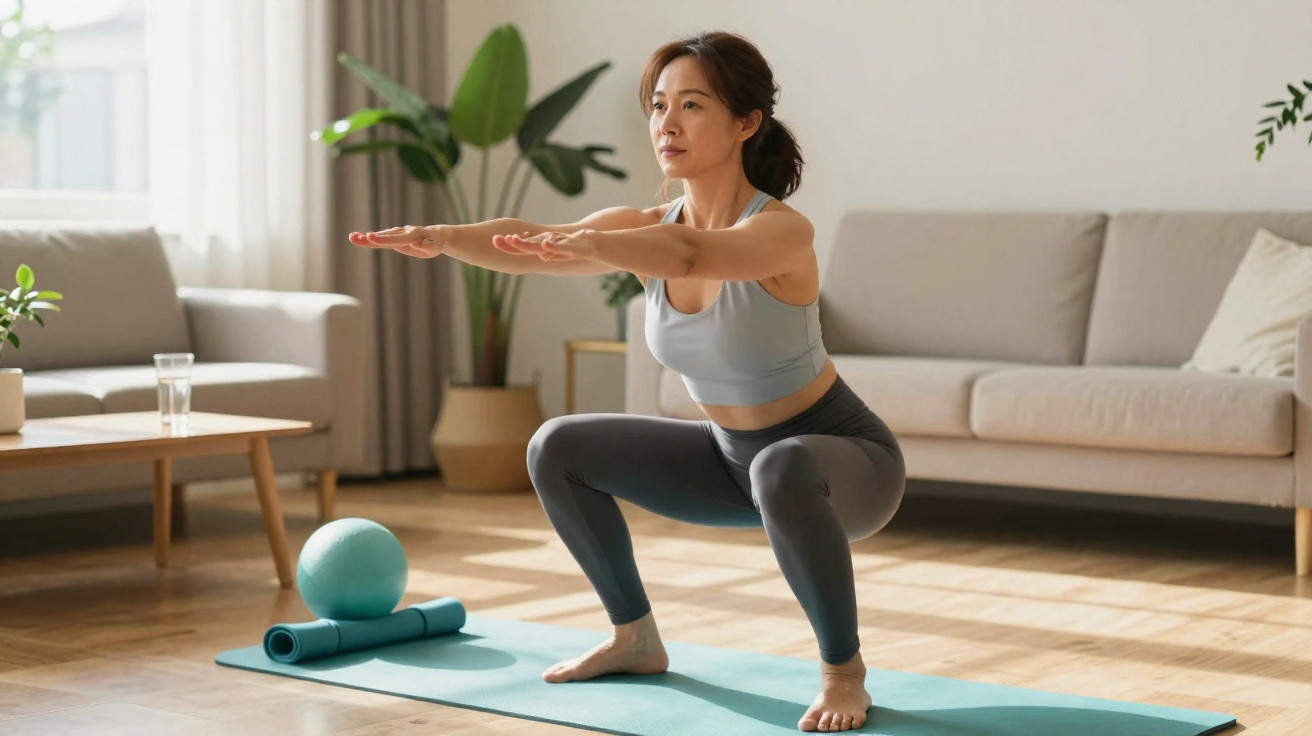
Chair squats, slow step‑ups on a low step, and calf raises build the muscles that shield your knee with every stride. - Movement variety beats single “magic” sports
Combining walking, light strength, and your favourite gentle activity (yes, including the pool) often settles pain more than clinging to one method. - Enjoyment isn’t a luxury
If you dislike an exercise, you’ll quietly stop.
Picking something you can tolerate - even if it’s “just” walking with a podcast - matters more than a perfect programme you abandon. - Professional help is not just for athletes
One or two sessions with a good physio can shape your walking and strength plan, so you’re not guessing with a painful joint.
A new way to think about your knees – and your future steps
Once it clicks, it’s hard to ignore: knees don’t recover in ideal lab conditions - they recover in the conditions they actually live in.
Real life is weight‑bearing, uneven, sometimes rushed, sometimes done when you’re tired.
That’s why this change in advice can feel both radical and oddly sensible.
Rather than wrapping your knee in cotton wool and waiting for time to sort it out, you bring it back into life carefully - step by step, with thought.
The pool and the Pilates studio become soft landing spots, not places to hide.
Some people will push back.
Swimming and Pilates feel safe, tidy, controlled.
Walking - particularly when your knee already hurts - can feel like a gamble.
But the emerging message from clinics and research labs is that the bigger gamble may be never asking your knee to carry you again.
The real question isn’t “Should I quit swimming or Pilates?”
It’s “Am I training my knee for the life I actually live?”
And the answer begins when you stand up, look towards the door, and decide how you’ll take your next few hundred steps.
| Key point | Detail | Value for the reader |
|---|---|---|
| Walking as main rehab | Progressive, structured walking loads the knee in real‑life conditions and builds tolerance | Shows a concrete, accessible way to reduce pain and regain confidence |
| Swimming/Pilates as support | These activities help fitness and control, but don’t replace weight‑bearing training | Lets readers keep what they enjoy, while understanding why their pain may persist |
| Small, consistent changes | Short, frequent walks and simple strength moves beat sporadic intense efforts | Offers a realistic, sustainable plan anyone can slot into their day |
FAQ:
- Question 1
Is swimming bad for my knees if I already have arthritis? Not necessarily. Swimming isn’t “bad”; it just doesn’t train your knees to handle your body weight. Use it for cardio and mobility, but pair it with walking and light strength work if you want less pain in daily life.- Question 2
Can I keep doing Pilates if my knee hurts during some moves? Yes, with adjustments. Skip deep bends and loaded kneeling, ask the instructor for knee‑friendly options, and prioritize standing balance and hip control exercises that help your walking.- Question 3
How much should I walk if my knees are painful now? Start with a distance or time that only slightly increases your pain (if at all), often just 3–10 minutes. Stay there for several days, then gradually add a minute or a block as long as pain settles within 24 hours.- Question 4
What if walking is too painful even for a few minutes? That’s when the pool and the bike are useful. Use them to keep moving, then reintroduce tiny bouts of walking on flat ground, maybe with a cane or rail, ideally guided by a physio.- Question 5
Do I need a specialist before changing my routine? If you’ve had trauma, major swelling, locking, or your pain is getting worse fast, yes, see a doctor or physio first. For long‑standing, stable knee pain, many people can safely start with gentle, progressive walking and basic strength while seeking professional advice when they can.



Comments
No comments yet. Be the first to comment!
Leave a Comment