
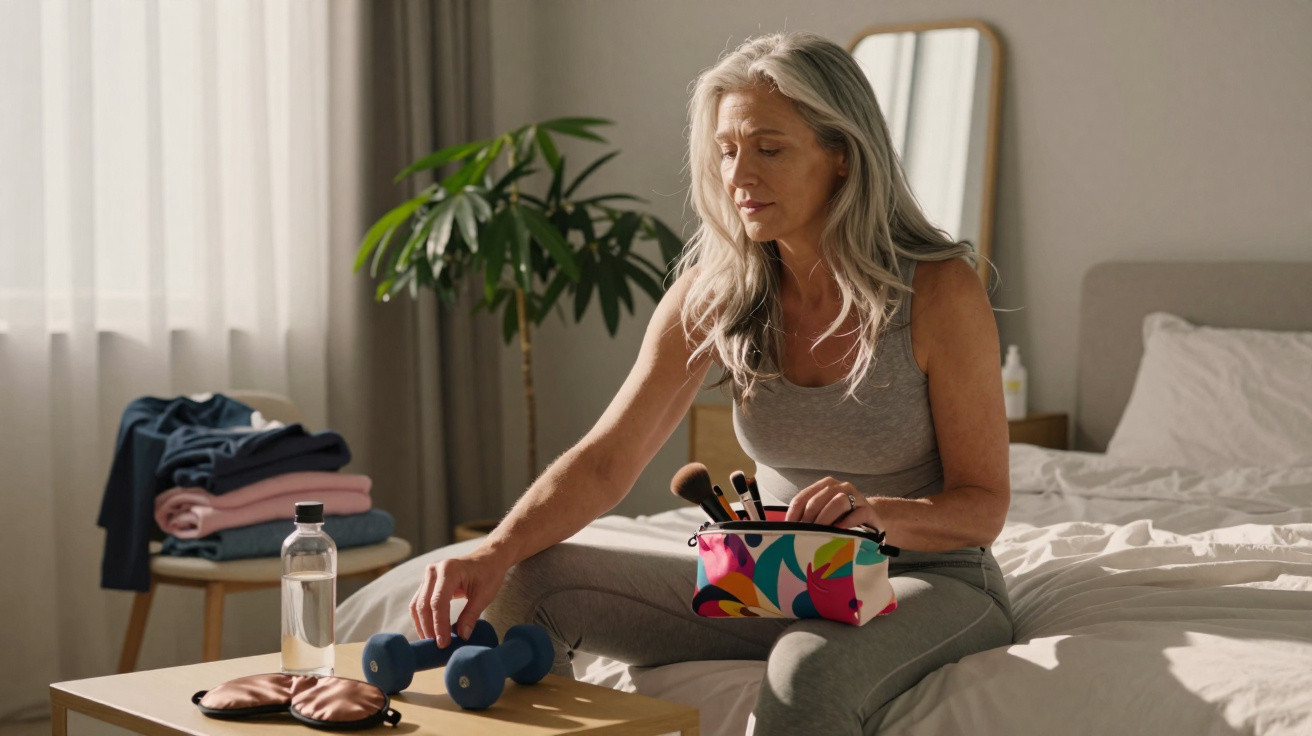
Many women 50 plus work hard to stay attractive. New skincare ranges, treatments and diets are everywhere, and the choice can feel endless. Yet more and more specialists are sounding the alarm: when appearance becomes the main focus, vital aspects of physical health and emotional balance are easily pushed aside. Particularly as we get older, the small, unglamorous habits of daily life often do more than the priciest anti-ageing cream ever could.
Beauty without a foundation: when skincare becomes a smokescreen
The pressure to look “young” is intense. Social media, advertising and celebrity role models promote standards that very few people can realistically meet. In response, many women reach for heavier make-up, more carefully styled outfits and an ongoing stream of new beauty trends.
"Attractiveness in later life doesn’t come from the bathroom cabinet, but from everyday life – through the choices you make each day."
When most effort goes into surface-level fixes, it’s easy to ignore how much the body changes after 40, 50 and 60. Hormones, muscle mass, sleep and stress levels all shift. If the last reserves of time and energy are spent on styling and cosmetics, the building blocks that shape long-term quality of life are often the ones that get dropped.
Self-care is more than a face mask and a manicure
A common misconception is: “I treat myself to regular facials, so I’m taking good care of myself.” Those pampering moments can feel lovely, but they do not replace a real, consistent system of self-care.
Routines beat occasional wellness treats
Women who look genuinely vital as they age usually rely on steady routines. They don’t negotiate with themselves each morning about whether they’ll move, what they’ll eat for breakfast, or when they’ll go to bed. Certain steps happen almost automatically-and that is exactly what protects you from the familiar “I’ll just skip it today”.
- set times for exercise or walks
- clear meal structures instead of constant dieting
- skincare that happens every day, not only before appointments
- small daily rituals for relaxation and mental calm
This is how habits form that quietly-but effectively-nudge life in a healthier direction. Not dramatic, but sustainable.
Movement: the underestimated beautifier from within
Many women are more likely to invest in figure-flattering clothes than in muscle and strength. Yet regular movement has a direct impact on presence, posture and even facial expression.
Why strength training matters more than ever as you get older
As the years go by, the body loses muscle if you don’t actively counter it. The result can be looser skin, a less steady gait and increased tension in the body. Purposeful strength work-using dumbbells, resistance bands or your own body weight-helps to slow and offset this process.
If you build and maintain muscle, you benefit in several ways:
- improved posture, a more upright walk and a more confident presence
- stronger joints and a lower risk of falls
- boosted circulation, which can show in the complexion
- a higher resting metabolic rate-useful when extra kilos become more stubborn with age
- a noticeable lift in mood due to released messenger chemicals
"For the body, a half-hour walk or a short workout is more valuable than any luxury cream."
If a gym doesn’t appeal or feels inaccessible, you can begin with taking the stairs, brisk walks, gardening and gentle exercises at home. What matters is consistency, not a perfect sports outfit.
Sleep for women 50 plus: the most honest anti-ageing cure
Many women don’t get enough sleep in everyday life-out of a sense of duty, because worries keep them awake, or because the next episode is more tempting than bed. The consequences appear quickly in the mirror: dull skin, puffy eyes and downturned mouth corners.
Why the body repairs at night what we wear down by day
During sleep, the skin regenerates, hormones rebalance and the brain processes stress. If you chronically sleep too little, you are more likely to experience:
- increased wrinkle formation and reduced skin firmness
- stronger cravings for sugary and fatty foods
- a more irritable mood and lower tolerance to stress
- reduced performance and less motivation to exercise
Especially women who place a high value on their looks often underestimate this quiet factor. A consistent sleep rhythm with fixed bedtimes has a stronger long-term effect than any elaborate mask.
Stress eats away at beauty-especially in the face
Ongoing stress doesn’t just take a toll internally. A clenched jaw, a furrowed brow and shallow breathing all leave traces-fine lines, blemishes, or a permanently tired-looking expression.
Simple techniques that genuinely fit into daily life
You don’t need anything mystical. Small, realistic strategies tend to work far better:
- brief breathing pauses before important appointments
- regular conversations with trusted people, rather than carrying everything alone
- deliberate phone-free time, especially in the evening
- mini relaxation exercises that take five minutes
"If you notice your stress early and take it seriously, you protect not only your heart and nerves, but also your skin and facial expression."
Women who learn to respond to early warning signs often seem calmer and more present-something that is hard to apply with make-up, but easy for others to sense.
Skincare: consistency beats constantly chasing new products
The cosmetics industry thrives on the promise of the next “revolutionary” launch. As a result, many women keep switching, layering and mixing products, which can unnecessarily irritate the skin. The outcome is often the same: irritation, redness and intolerance.
Fewer experiments, more reliability
A simple, stable routine usually delivers better results than a colourful cocktail:
- gentle cleansing-morning and evening
- moisturiser matched to your skin type
- consistent sun protection, even on cloudy days
If you take these three steps seriously, you create the foundation. Targeted serums or treatments can then be added thoughtfully, instead of frantically trying to fix problems caused by overdoing it.
Nutrition: energy instead of endless dieting
Many mature women have spent decades in a loop of dieting, restriction and frustration. The focus stays on the number on the scales, rather than on stability and nutrients. The body pays the price: fluctuating blood sugar, fatigue, thinning skin and brittle hair.
What the body really needs from 50 onwards
With age, the body becomes more sensitive, copes less well with extremes and needs reliable sources of energy. Particularly important are:
- enough protein for muscles, skin and hair
- fibre from vegetables, wholegrains and pulses to support digestion and metabolism
- sufficient water to nourish cells and reduce fatigue
- moderate portion sizes instead of radical bans
"A balanced meal brings more radiance than a spontaneous ‘miracle detox’ at the weekend."
When you drop crash diets and prioritise regularity instead, you usually notice: energy lasts longer, cravings ease, and the body feels more stable overall.
Inner attitude: acceptance is more attractive than any filter
One key element many people overlook is how they view ageing itself. If every new line is treated as a personal defeat, it shows as tension and strain. Women who accept change as part of their life story often project a different, calmer kind of attractiveness.
Self-worth instead of constant self-optimisation
The real question is: are you caring for yourself out of appreciation-or out of fear of no longer being “enough”? That inner stance shapes everything, from reaching for a cream to choosing an early night.
Psychologists emphasise that steady self-worth:
- reduces the pressure to solve everything through appearance
- makes outside criticism feel less wounding
- encourages the courage to seek help-medical or therapeutic, for example
- increases willingness to invest in genuine preventive healthcare
When you stop fighting your age and start shaping this life stage responsibly, you often come across as more authentic-a quality many people around you describe as a “special presence”.
Small choices, big impact in everyday life
In the end, it’s less about extreme restriction programmes and more about many small, concrete steps. A quick look at a typical day often reveals where priorities have slipped: does time go into elaborate styling instead of a nourishing breakfast? Do hours disappear on your phone while movement and sleep suffer?
A straightforward way to start is to change just one thing-for example, add a short strength routine three times a week, or move bedtime forward by a consistent 30 minutes. Once you notice the effect on energy, mood and the look of your skin, you often feel motivated to adjust more.
Gradually, the focus shifts away from “How do I conceal signs of ageing?” towards “How do I support my body through this stage of life?” That is the point where attractiveness and health in later life suddenly work together-and skincare products return to what they should be: pleasant companions, not a last-ditch lifeline.



Comments
No comments yet. Be the first to comment!
Leave a Comment