
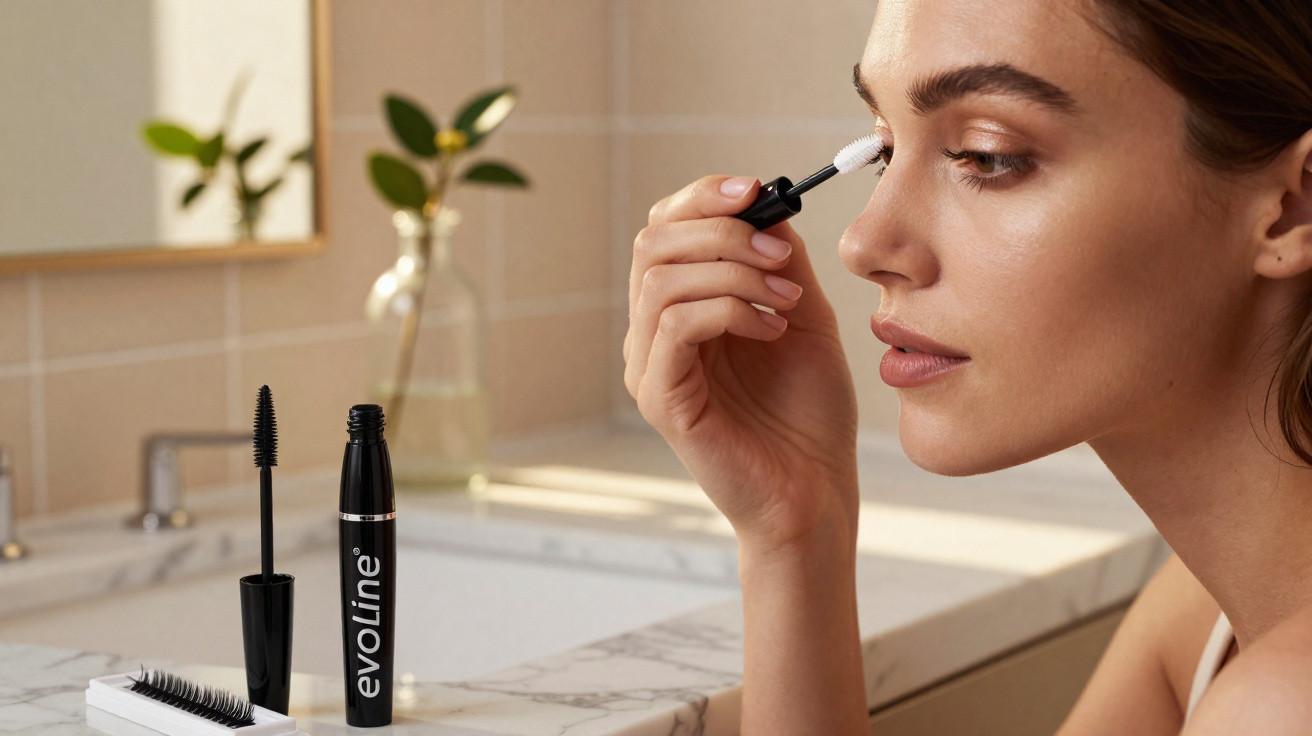
Many beauty lovers know the problem: you want standout lashes, but you can’t be bothered with sticky false eyelashes or piling on five coats of mascara. That’s exactly where modern lash primers come in - specialised base coats applied before mascara. One product in particular is getting a lot of attention right now: the Eveline Cosmetics Variete Lashes Show Lash Primer. The principle is straightforward yet effective: base first, colour second.
How a good lash base actually works
A lash primer is essentially a prep layer applied directly to clean, dry lashes, with classic mascara going on afterwards. The Variete Lashes Show Lash Primer does precisely this job: its lightly creamy, pale formula coats each individual lash like a thin jacket. That creates a foundation that sets up the look of added thickness and length before mascara even comes into play.
Because the shade is light, you can clearly see where you’ve applied it and whether every lash has been covered. That makes it easier to distribute evenly without going back over the same area again and again. If you often end up with gaps along the lash line or lashes that turn into “spider legs”, this extra visibility and control can make a noticeable difference.
"The base thickens and lengthens the lashes before mascara - the mascara looks more intense as a result and doesn’t need to be applied in several layers."
One important point: this base doesn’t replace mascara. It amplifies what mascara can do. Later on, the usual black mascara grips onto the primer layer you’ve built up, so it reads as darker, fuller and more sharply defined.
Why lash primers are suddenly trendy again
Lash primers aren’t a brand-new concept. Years ago they appeared sporadically on shelves, only to slip back into a niche. The current buzz has a lot to do with recent beauty habits: people still want impact, but they also want lighter, more everyday-friendly textures. A heavy eye look with clumpy lashes? That’s far less desirable now.
A base works here as a first layer of volume. It wraps the lashes in a flexible coating that isn’t rigid. This makes the hairs look thicker and slightly lifted. Mascara then has to do less work to deliver drama. One or two coats can be enough where three or four used to feel necessary.
The finish often brings to mind the look of false lashes - except the eye area feels much lighter. No tugging at the lash line, no fiddly removal at night, no leftover glue.
Who benefits most from a primer
The effect tends to be most obvious for people with:
- very fine lashes
- straight lashes with little natural curl
- visible gaps along the lash line
- sensitive eyes that react to heavier looks
If you naturally have extremely thick, long lashes, a primer isn’t essential. In that case it’s more of a “nice-to-have” that can push the result a little further, but won’t transform everything. With delicate or light lashes, however, it can be the deciding factor: eyes look more awake, the eye appears larger, and the entire make-up look immediately comes across as more polished.
What happens with the first sweep of the brush
When you apply the Variete Lashes Show Lash Primer, the change is immediate: the paler formula visibly coats each hair. Even at this stage, lashes look slightly thicker and more neatly separated. Short, tiny lashes that usually disappear are picked up more easily.
Mascara goes on afterwards. The mascara doesn’t cling straight to the fine natural lash, but to the prepped primer layer. That creates more visual volume without weighing the lashes down. The black pigment looks deeper because it stands out more against the lighter base.
"A single extra step - applying a base before mascara - can turn a nice everyday look into a real ‘fake lash’ effect."
Many users say that one coat of mascara over primer gives them more fullness than two or three coats of mascara alone ever did. The big advantage is that lashes keep their structure, clump less and stay more flexible.
When a primer genuinely replaces false lashes
Honestly: if you’re expecting ultra-dramatic XXL lashes like a photoshoot, you’ll probably still reach for false lashes. For day-to-day wear, the office, or an evening out with friends, a good primer-and-mascara pairing is often more than enough.
The difference is especially clear on very fine or sparse lashes. Instead of heavy lash bands that can weigh down the lid, you get a defined, denser fan that looks far more natural. The base visually fills gaps, slightly lifts the roots and makes mascara application more efficient.
If you’re unsure how strong the effect will be on your own eyes, try a simple comparison:
- Left eye: mascara only, as you normally would.
- Right eye: primer first, let it dry briefly, then apply mascara.
After a few seconds, you can see in the mirror how volume, length and separation compare. A direct before-and-after like this is more honest than any advertising slogan.
How to use a lash primer properly
Technique matters if you want a convincing result. A few simple rules help:
- Clean your lashes thoroughly first; don’t leave old mascara behind.
- Apply primer from root to tip using gentle zig-zag motions.
- Make sure you catch the small lashes at the inner and outer corners.
- Let the base dry for a short time only, so it doesn’t fully set.
- Apply mascara straight afterwards, before the layer turns hard.
If you tend to overload the brush, lightly wipe it on a tissue before application. That reduces excess product on the lashes and keeps the texture more refined.
What the formula needs to deliver
A good lash primer should add thickness and length without making lashes flaky or stiff. That’s why many brands use creamy, slightly elastic textures. With the Variete Lashes Show Lash Primer, this light creaminess is particularly noticeable. The layer stays pliable and doesn’t crack if you decide to tweak the look later with a second coat of mascara.
It’s also worth checking for conditioning ingredients. Some bases include, for example, panthenol or moisturising components to help prevent lashes drying out. That doesn’t replace dedicated lash care, but it can support the hairs day to day.
Risks, limits and sensible combinations
As useful as a primer can be, it won’t solve every lash issue. If lashes are badly damaged or brittle, a purely cosmetic base won’t be enough. In those situations, a consistent care routine with lash serums or nourishing oils is more likely to help. Medical advice can also be worthwhile if you’re noticing increased lash loss.
If your eyes are sensitive, always check the ingredients and test cautiously first. Mild stinging or redness is a warning sign - in that case, switch to a different formula or avoid it altogether.
One interesting approach is combining a lash serum (for long-term strengthening), primer (for instant impact) and a well-tolerated mascara. Used together, it becomes a system: care at night, structure in the morning, colour as the finish. Over time, this can make lashes appear denser while keeping your make-up routine more streamlined.
Anyone who’s previously been sceptical of products designed to “prep” could well change their mind with a lash base. The added step takes only seconds, yet the result shifts visibly. For many people, that makes the question of whether false lash strips are still necessary feel far less relevant.




Comments
No comments yet. Be the first to comment!
Leave a Comment