

Turmeric, sometimes known as “earth saffron”, can leave your hands with yellow stains because it contains an extremely strong pigment called curcumin. The good news is that the colour usually lifts with straightforward methods: lemon, bicarbonate of soda, cooking oil, washing-up liquid and a gentle exfoliation can all help loosen the stain without scrubbing your skin harshly.
Why does turmeric stain skin so easily?
Turmeric is used in seasonings, marinades and vividly coloured dishes precisely because of its yellow pigment. That pigment clings readily to skin, nails and porous surfaces, which is why staining can appear quickly after chopping, grating or mixing turmeric by hand.
Many people suggest simple home approaches-such as lemon or lime, bicarbonate of soda, washing-up liquid, cooking oil, salt with lemon, and even toothpaste-to lessen turmeric stains on hands after cooking.
What is the fastest way to get turmeric off your hands?
One of the quickest, easiest options is to pair oil with washing-up liquid. The oil helps loosen some of the pigment that has gripped the skin, and the washing-up liquid then removes the oil along with the yellow tint.
- Put a few drops of cooking oil onto dry hands.
- Massage the stained areas for 30 to 60 seconds.
- Add mild washing-up liquid or liquid hand soap.
- Rub gently, without using excessive force.
- Rinse with warm water and repeat if any colour remains.
How can you use lemon without irritating your skin?
Lemon can help because its acidity can lighten mild staining and lift surface residue. The key is moderation: it may sting on cuts, dry out the skin, and can cause marks if your skin is exposed to sunlight soon afterwards.
To use it more safely, apply a few drops of lemon juice only to the yellowed area, rub very lightly for a few seconds, wait one minute, then wash thoroughly with soap and water. Afterwards, moisturise your hands and avoid going out in the sun with any lemon residue on your skin.
Does bicarbonate of soda work on turmeric stains?
It tends to work best as a mild exfoliating paste. Mix bicarbonate of soda with a little water until it forms a paste, massage gently, then rinse. The aim is to lift the pigment from the surface-never to scrape at the skin.
Cleaning sources also mention bicarbonate paste as one of the most recommended ways to tackle turmeric stains on hard surfaces, thanks to its gentle cleaning and mildly abrasive action. On skin, though, it should be used more carefully and followed with moisturiser.
What should you do if the stain is on your nails?
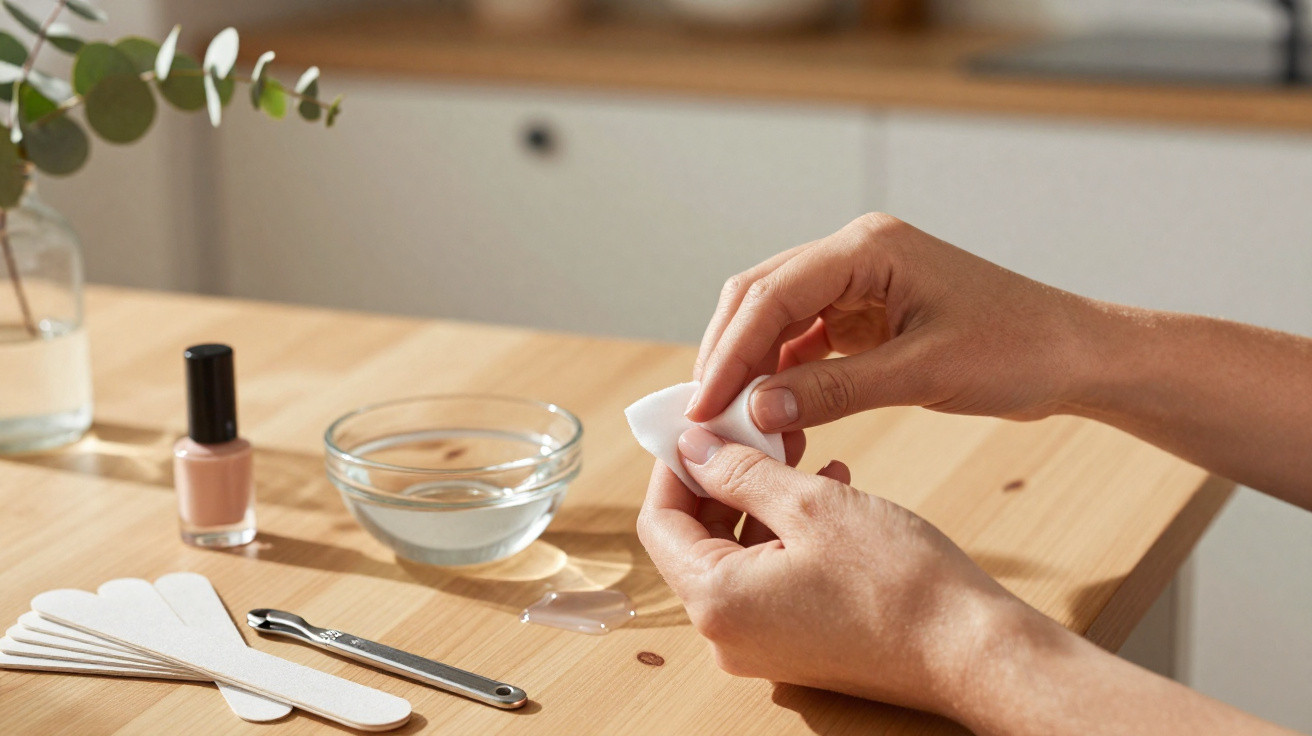
Nails hold on to more pigment because of edges, cuticles and tiny uneven areas. In this situation, use a soft nail brush with soap or mild washing-up liquid, focusing especially around the cuticles and under the nails.
- Soak your hands in warm, soapy water for 3 to 5 minutes.
- Brush the nails using light movements.
- Use bicarbonate paste only if your skin is not sensitive.
- Finish with moisturiser or oil on the cuticles.
- Avoid overusing acetone, as it dries the skin and may irritate.
Which methods should be avoided?
Avoid bleach, chlorine-based products, strong multi-purpose cleaners and abrasive sponges on skin. These can irritate, dry out and damage your hands-especially if your skin is sensitive or you have small cuts.
Also, do not rub salt, bicarbonate of soda or lemon in aggressively. Turmeric usually fades more effectively with gentle repetition than with harsh scrubbing. If your skin starts to sting, look red, or feels very dry, stop cleaning and wash only with water and mild soap.
How can you stop turmeric staining next time?
Prevention is straightforward: wear gloves when grating or mixing fresh turmeric, wash your hands immediately after preparation, and-if you are not using gloves-apply a small amount of oil to your hands before handling the spice. The oil creates a light barrier that makes the pigment less likely to stick.
If staining does happen, try not to panic. In most cases, oil, washing-up liquid, lemon or bicarbonate of soda will noticeably reduce the colour. Whatever remains typically fades naturally with everyday washing, without needing to damage your skin to get your hands looking clean again.





Comments
No comments yet. Be the first to comment!
Leave a Comment