
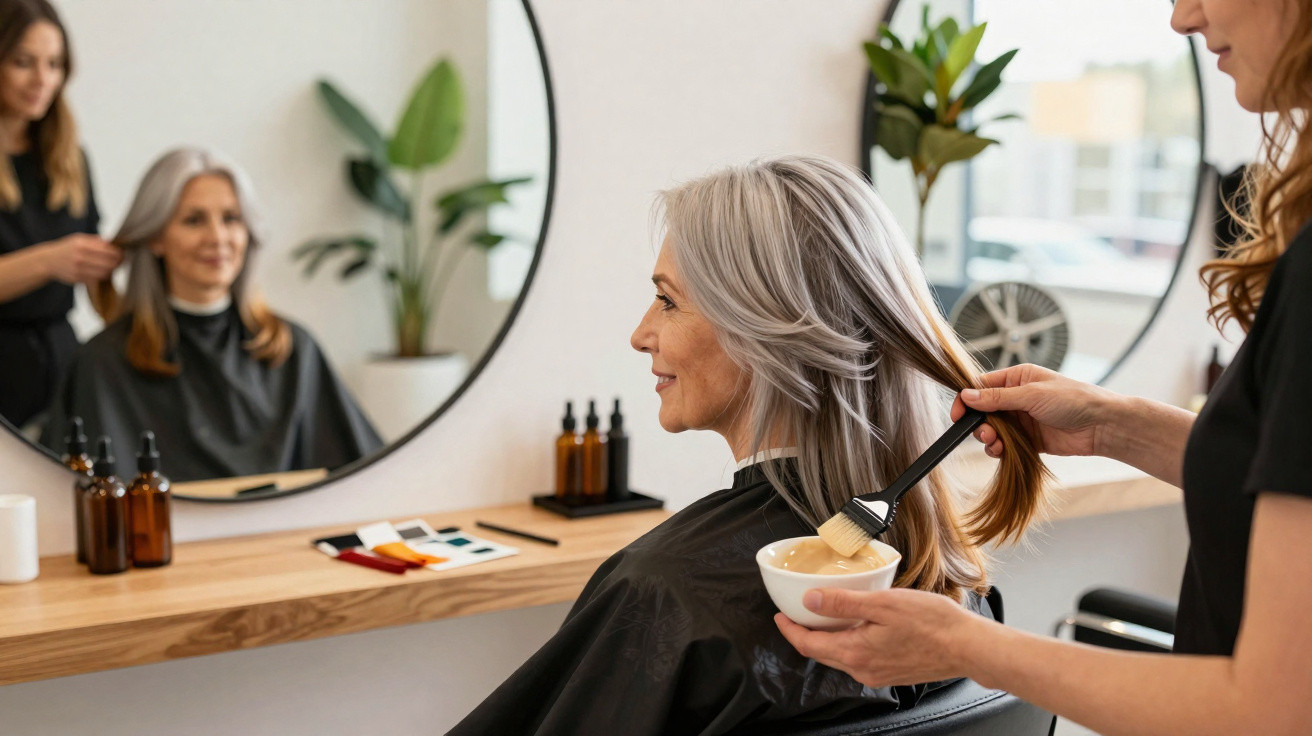
Covering grey hair with a full-coverage permanent dye every three weeks is a routine many women know all too well - and one plenty are tired of keeping up. The expense, the hours spent in the salon, and the gradual damage to hair fibres after years of ammonia-based colouring have all influenced a generation of women to look for another way. A trend gaining ground in Brazilian salons in 2026 focuses on gentler toners and lightening techniques that soften the appearance of grey hair with a natural finish, without leaving that harsh regrowth line at the roots that makes it obvious when an appointment is overdue.
What has changed in how salons approach grey hair
For decades, the standard salon response to the first grey strands was full coverage with permanent oxidative colour. It worked in the very short term, but it also created a reliance on increasingly frequent touch-ups as the amount of grey grew. When the roots began showing the natural shade again after two or three weeks, the colouring cycle became relentless - and the hair paid for it: rising porosity, ongoing dryness, and a gradual loss of elasticity with each application.
The newer approach is not about giving up colour altogether, but changing the thinking behind the service. Rather than trying to erase greys with total coverage, the aim is to blend them into the overall look by creating a soft transition between the natural root and previously coloured lengths. This removes the obvious demarcation line and reduces how often touch-ups are needed.
- Ammonia-free toners: partially cover grey strands without aggressively lifting the cuticle, helping protect the hair fibre while giving a more natural-looking result
- Subtle highlights around the face: carefully placed lighter pieces in the most visible areas reduce the contrast between grey strands and the rest of the hair, adding depth and brightness
- A blend of shades: using two or three tones close to the natural base to mimic the way hair looks in natural light, making greys feel like a deliberate part of the colour
- Less frequent touch-ups: without a hard regrowth line from full coverage, salon visits can be spaced to eight or ten weeks without the colour looking neglected
- Healthier hair over time: less ammonia, less peroxide, and fewer applications can lead to softer hair with better elasticity and shine over the months
How toners work - and why they are less harsh than conventional dye
The key difference between conventional permanent dye and a toner is how each one interacts with the hair fibre. Ammonia-based permanent colour works by forcing the cuticle open so pigment can be placed deeper inside the hair - highly effective for full coverage, but it requires the fibre to open fully every time it is coloured. Over time, repeating that process progressively weakens the cuticle structure, leaving hair more porous and more prone to breakage.
A toner works in another way: it deposits pigment on the surface and in the outer layers of the strand without needing to fully open the cuticle. That means the coverage on grey hair is partial rather than complete - which, for hair with up to 50% grey, is often enough to create a balanced, cohesive look. The downside is faster fade with washing, but that gradual fading is exactly what prevents the sharp root line that is one of the most common frustrations for anyone relying on full-coverage permanent colour.
Which lightening techniques suit people with lots of grey hair
For those who already have a significant amount of grey, professionals most often recommend concentrating brightness around the face, commonly referred to as face framing. Fine, lighter pieces placed where they outline the face - the fringe area, temples, and sides - create a luminous effect that lifts the overall look. It also helps grey strands read as intentional and stylish, rather than as something that has been left unattended.
How to choose the right approach for your percentage of grey hair
The amount of grey you have largely determines which technique will deliver the most convincing result.
Up to 30% grey: a toner on its own can provide enough coverage for a natural finish. Touch-ups can usually be stretched to eight to ten weeks without the roots looking clearly marked.
Between 30% and 60% grey: the most effective combination is a toner plus lightened pieces around the face. Those lighter strands create a transition that visually dissolves the contrast between greys and the rest of the hair.
Above 60% grey: the most refined option is an all-over blend technique, where toners in different but related shades are applied in sections throughout the hair. The final effect resembles a natural transition towards fully grey hair, but with tonal harmony that the natural process does not always deliver. In every scenario, a consultation with a professional before choosing a method is essential, because skin tone, haircut, and hair texture can strongly influence which approach will look best.
Another technique that has become far more popular is babylights - extremely fine highlights, as thin as a single natural hair, applied in shades close to white or very pale blonde. The effect is so subtle it mirrors the way daylight naturally hits the hair, integrating greys into the rest of the colour almost invisibly. Unlike traditional, chunkier highlights, babylights avoid stark contrast and grow out without leaving obvious regrowth.
How to make the result last longer with the right care routine
Once you have invested in toning and lightening, what you do at home will largely determine how long the result holds. One of the biggest enemies of toning is shampoo with too much sulphate, which strips surface pigment quickly and speeds up fading. Choosing a colour-safe shampoo with a gentle formula and without harsh sulphates can extend the gap between touch-ups by weeks.
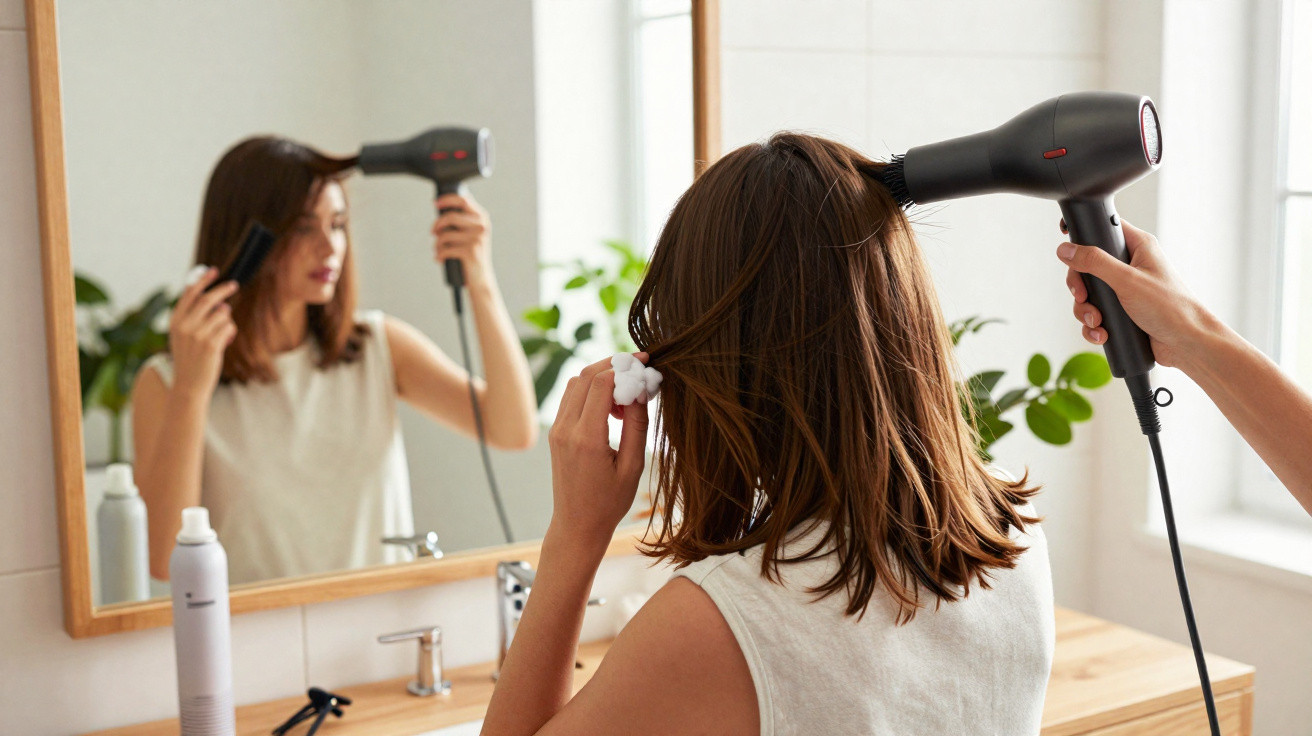
Weekly nourishing masks are the second foundation of maintenance. Grey hair naturally contains less melanin and often becomes more porous and dry, meaning it absorbs - and loses - moisture more easily than pigmented hair. Regular hydration offsets that tendency and keeps hair feeling softer, looking shinier, and holding colour more evenly. Heat protectant before blow-drying or straightening completes the routine by helping preserve the cuticle, which lightening services can open again at future appointments.
Does this trend work for people who want to stop colouring completely?
For anyone considering a move back to their natural hair - with no colour at all - a mix of toners and lightening can also support the transition. Instead of cutting hair very short to remove all previously dyed lengths in one go, gradual lightening can bring the tone of coloured mid-lengths and ends closer to the naturally grey roots. This creates a softer transition that can take six months to a year, without a phase where the contrast looks especially stark.
Whether you choose to cover greys, soften them, or embrace them fully is a deeply personal decision. What the 2026 trend introduces is a genuine expansion of options between the two extremes: there is now a middle path that protects hair health, reduces salon time and cost, and still delivers an elegant, contemporary result. Share this with anyone who is thinking about changing how they deal with grey hair.



Comments
No comments yet. Be the first to comment!
Leave a Comment