
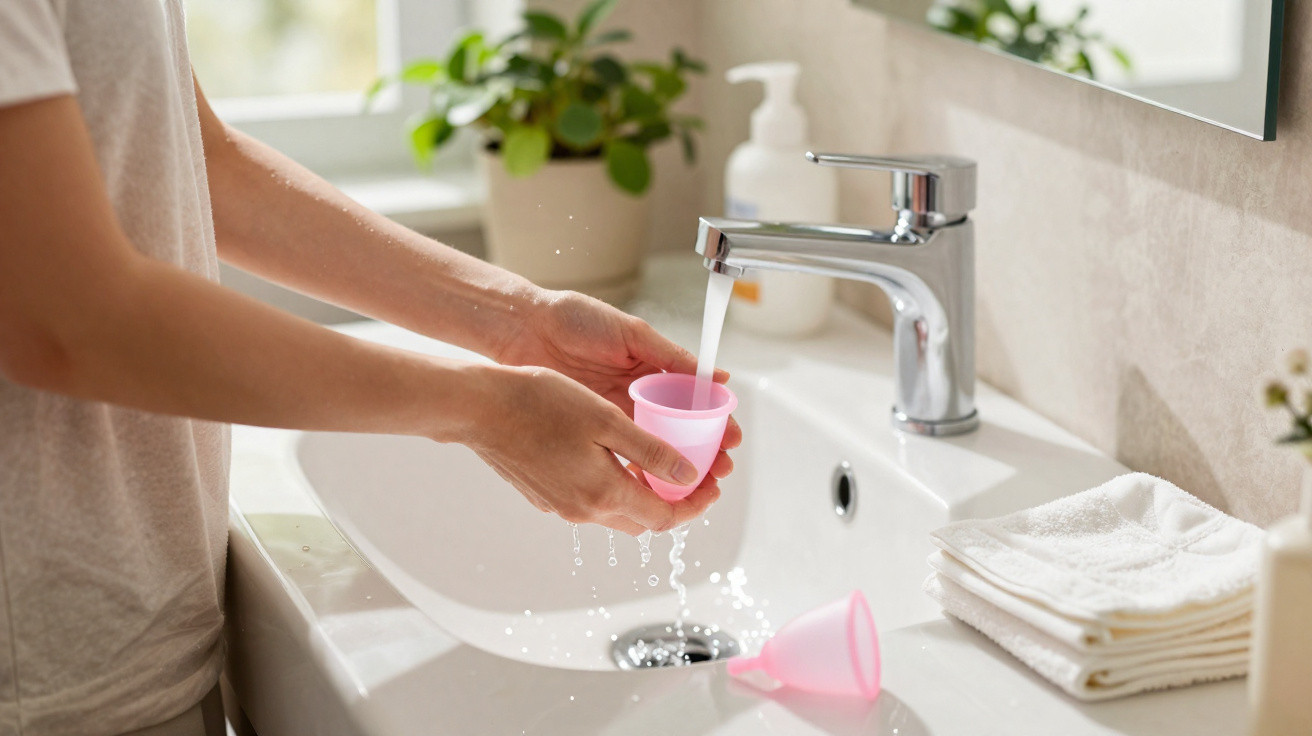
Reusable menstrual hygiene products are increasingly becoming part of women’s routines. Even so, there is still uncertainty about how to care for them both between uses and between cycles. One brand has shared practical pointers on looking after menstrual cups and discs-without overdoing it or neglecting them-and has tackled mistakes that really should not happen.
Reusable menstrual hygiene products: why menstrual cups and discs are growing in use
More and more women are choosing menstrual cups and discs to collect their period, boosting re-use and reducing reliance on disposable pads and tampons. These single-use options are often seen as having a larger environmental footprint and, over time, as less cost-effective solutions.
After a Spanish gynaecologist spoke out about receiving cases involving women who wash these products with bleach, it is worth clearing up misunderstandings and setting out what correct hygiene looks like for these types of menstrual collectors.
Intimina’s guidance for cleaning menstrual cups and discs during your period
According to Intimina, one of the biggest risks is “not cleaning the menstrual cup or disc enough or using unsuitable products”. The brand advises to “always use mild, neutral soaps, preferably fragrance-free” and warns “not to let it dry out completely before storing it”.
Intimina adds that you should “rinse it with water at every change during the menstrual cycle, wash with a mild, fragrance-free cleanser, and rinse very thoroughly, once a day. (...) At the end of each cycle, after washing, it should be sterilised. This prevents germs from remaining. They can multiply in the collector before the next cycle”, the brand cautions.
Sterilising between cycles-and avoiding heat damage
In hot weather, Intimina continues, “it is important not to expose cups to temperatures higher than those used for sterilisation: the heat produced by steam. And do not leave them on the hob for too long. Menstrual cups have a ‘pan on the hob’ effect; if we forget them, they end up deforming or disintegrating. Follow the recommendations. Without doubt, a silicone sterilising cup is far more practical and safe”.
Material and storage: medical-grade silicone and drying properly
The brand also points out that, because it is “a product inserted into the vagina”, “proper care and the material it is made from are crucial”. “Medical-grade silicone ensures low porosity to prevent the build-up of germs; it also offers greater durability”, it says.
It adds: “As important as sterilising it, I recommend using a silicone container to sterilise it in the microwave, is letting it air-dry. Store it protected, in a cloth bag or in the sterilising cup, completely dry.”

Comments
No comments yet. Be the first to comment!
Leave a Comment