
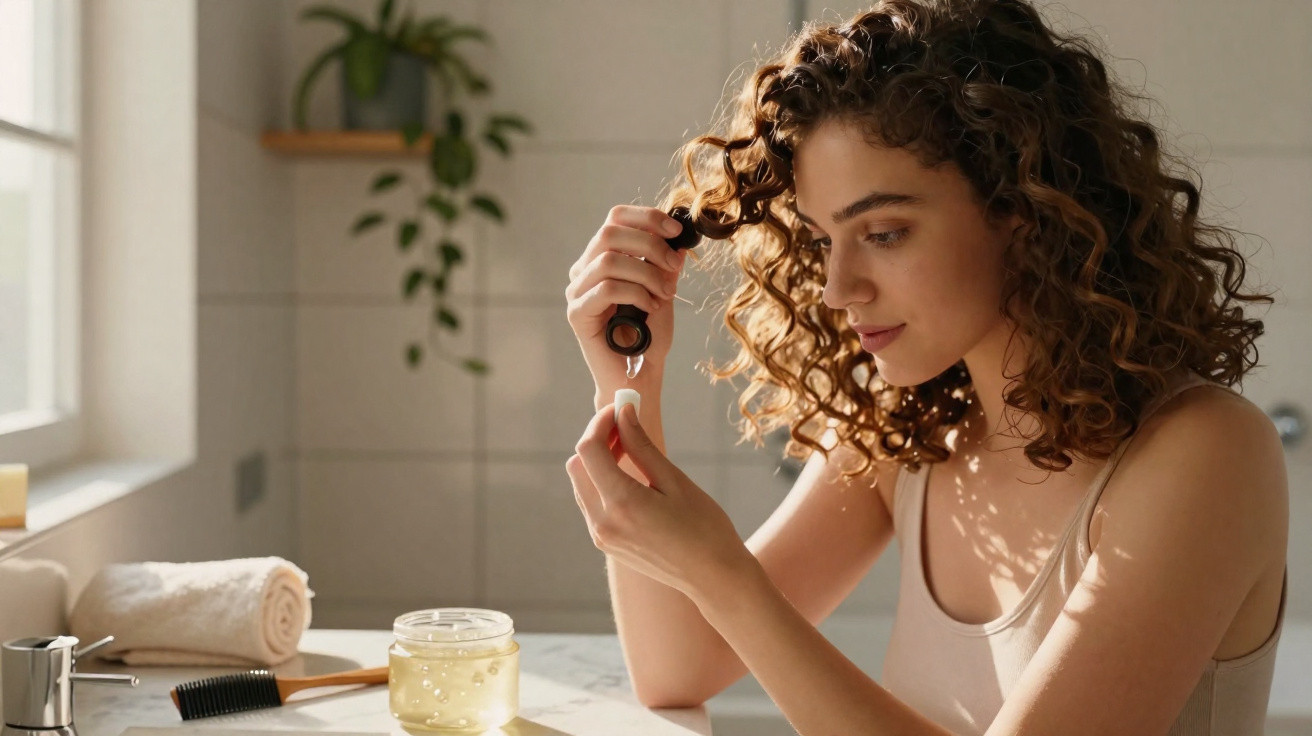
A new styling gelée is promising defined, soft waves without the dreaded helmet-hair effect.
Anyone with curls knows the routine can feel like a lottery: one day they fall limp, the next they stick out at odd angles, and the moment humidity arrives your hair seems to double in size. Somewhere between a “lion’s mane” and a blow-dried flat finish lies a narrow middle ground. That is exactly where a new gelée from John Frieda’s Frizz-Ease range positions itself-aiming to tame frizzy strands without smothering the hair’s natural movement.
Why curls so often do their own thing
Curly and strongly wavy hair is among the most demanding hair types. Because the structure is uneven, the cuticle layer lifts more readily and moisture escapes more easily. The result is familiar: dry lengths, dulled shine, flyaways and frizz as soon as wind, rain or heat get involved.
A lot of traditional styling gels can make matters worse. They often rely on alcohol, drying polymers or silicones that may smooth the surface but can coat the hair in a rigid film. Curls end up clumping together, feeling stiff, and losing their shape after only a few hours.
"The new generation of curl gel promises hold, definition and care in one-without a rigid ‘concrete’ feel."
At the same time, a different approach has been gaining momentum in salons and on social media: less straightening at all costs, more embracing natural texture. People with waves or curls want to wear them proudly-just more controlled and better cared for.
The John Frieda Gelée: care instead of armour
The new Boucles-Couture Gelée within the Frizz-Ease series is designed to fill that gap. The formula does without silicones, alcohol and animal-derived ingredients. It is aimed at “textured” hair in particular-everything from soft beach waves right through to tight corkscrew curls.
Moisture and definition in a single step
The gelée’s central promise is definition that still feels touchably soft. The key is its high level of moisturising agents. More than 14 per cent of the formula is made up of humectants-ingredients that attract water and help keep it inside the hair fibre.
- Humectants bind water within the hair.
- They help restore hydrogen bonds in the hair structure.
- This allows the curl to spring back towards its original shape and retain bounce.
Moringa oil supports the formula, too. This plant oil is rich in fatty acids and antioxidants. It sits around each strand like a thin protective veil, without weighing the hair down.
It therefore delivers several benefits at once:
- It helps seal in the moisture that has been added.
- It provides protection from external factors such as sun exposure or dry, heated indoor air.
- It smooths the hair’s surface and boosts natural shine.
"Instead of a hard gel cast, you get flexible hold that shapes curls rather than freezing them."
Easy to use-even if you hate styling
Lengthy 10-step routines put many people with curls off. This gelée leans more towards “less effort, more impact”.
How the gelée fits into everyday life
In practice, it comes down to two straightforward steps:
- Work a small amount of gelée through towel-dried hair using your hands. If you like, divide the hair into sections; otherwise, simply scrunch the product in from the ends towards the roots.
- Let hair air-dry, or use a diffuser on a low heat setting.
The formula claims flexible definition for up to 24 hours. The finish is meant to stay light and springy-without sticky residue on your fingers and without the typical shiny, plastic-like layer many gels leave behind.
What sets the gelée apart from conventional gel
At first glance, the product looks like a classic hair gel. In terms of performance, however, it is intended to behave quite differently.
| Conventional gel | Modern curl gelée |
|---|---|
| Often contains alcohol and fixing polymers | Humectants, conditioning oils, flexible film-formers |
| Hard, sometimes brittle finish | Soft, movable feel |
| Prone to build-up and residue | Easier to wash out, fewer deposits |
| Can dry the hair structure over time | Focuses on hydration and protecting the lengths |
This shift from “pure styling” to “care plus styling” is precisely what makes the gelée appealing to many followers of the Curly Girl method. That hair-care philosophy prioritises sulphate-free cleansing, silicone-free products and as few drying ingredients as possible to support the hair’s natural curl pattern.
Who is the gelée actually for?
This product is particularly suitable for people who:
- have waves or curls that quickly turn frizzy,
- struggle with dry ends and dull-looking shine,
- dislike rigid gel styles,
- want to emphasise their texture without overloading it.
If your hair is very fine, it is best to use it sparingly. Start with a hazelnut-sized amount and add more only if needed. If your curls are extremely thick, you can also apply the gelée in layers over several passes to make sure every strand is coated.
Common curl mistakes-and how the gelée can help
Many frizz issues come not only from products but also from day-to-day habits. Typical pitfalls include:
- blow-drying too hot, which damages the hair surface,
- rubbing vigorously with a towel, which roughens the cuticle,
- not using enough moisture care before styling,
- applying too much product, which drags the curls down.
Alongside the gelée, it helps to switch to gently squeezing the hair with a microfibre towel or a cotton T-shirt, and to keep your hairdryer at most on a medium heat setting. That way, the gelée can shape the pattern without having to compete with heat damage.
What is frizz, really?
Frizz refers to small, raised hairs that break away from the neat structure of a style. With curls, it can look like a fine halo around the head. The cause is usually an imbalance of moisture inside the hair. When humidity gets in, the fibre swells unevenly, the cuticle lifts, and strands bend in different directions.
Moisturising products that bind water and smooth the surface can reduce this effect. That is where the gelée’s combination of humectants and moringa oil comes in: more water within the hair, and more protection on the outside.
How to combine the gelée smartly
For curls that hold their shape and shine, layering tends to work best:
- After washing, use a lightweight leave-in conditioner to tackle dryness.
- Follow with the gelée as the definition step.
- If needed, add a little oil to the ends once hair is completely dry to enhance shine.
If you like wearing “day 2” or “day 3” curls, the next morning you can rub a tiny amount of gelée between your hands with a little water and refresh the strands. This helps lift sections that have been flattened during sleep without having to wash again.
The takeaway is simple: curls do not need to be perfect to look good. They should feel alive-full of movement and character. A well-designed gelée can turn chaos into structure without ironing out your individual look, which is exactly why it is an appealing alternative to old-school hard gels and hairspray-stiff styles.

Comments
No comments yet. Be the first to comment!
Leave a Comment