

Hair loss is a very common complaint and can arise for a range of reasons, including stress, hormonal changes, genetic factors and even everyday habits that are not ideal. On top of that, nutrient deficiencies can also play a part in shedding.
According to Tatiana Teixeira Eto, co-ordinator of the Nutrition course at Faculdade Anhanguera, iron deficiency, for instance, is among the main factors that can directly affect hair health. “Iron plays a fundamental role in transporting oxygen around the body. When levels are low, the body prioritises vital functions and ends up reducing supply to structures such as hair follicles, which can lead to weakening and hair loss,” she explains.
Below, see how to recognise and help prevent hair loss linked to iron deficiency.
1. Pay attention to your body’s signs
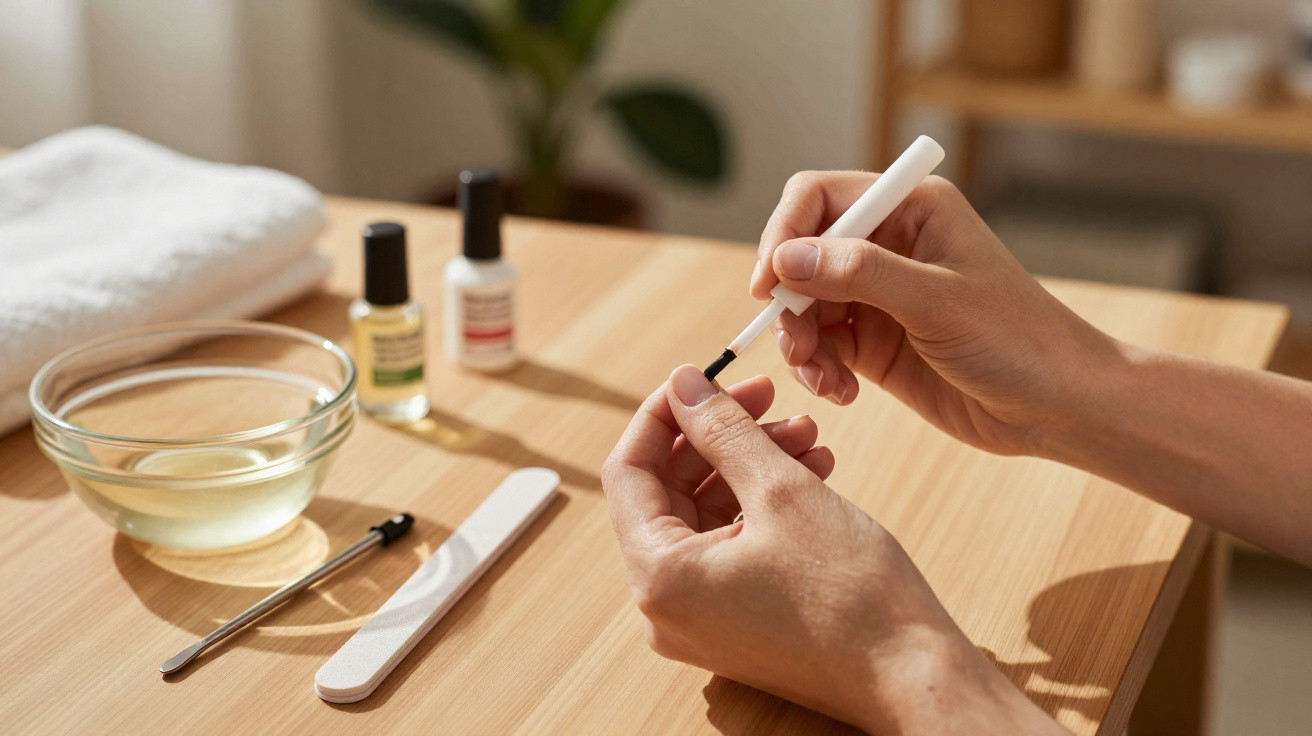
As well as hair loss, low iron can be associated with excessive tiredness, weakness, paleness and brittle nails.
2. Have tests to confirm the diagnosis
The link between hair loss and a lack of iron can only be confirmed with blood tests that measure ferritin, iron and haemoglobin levels. A doctor can request these tests to assess how much of the nutrient your body has.
3. Prioritise an iron-rich diet
Red meat, poultry, fish, beans, lentils and green leafy vegetables are all good sources of the nutrient and should be included in your regular diet.
4. Pair iron with vitamin C to improve absorption
Eating vitamin C-rich foods-such as oranges, lemons and acerola-alongside iron sources helps the body absorb the nutrient more effectively.
5. Seek professional guidance
Before starting any supplementation, getting professional advice is essential to identify what is causing the hair loss and to ensure a safe, appropriate treatment. “Supplementation may be recommended in some cases, but it must be done with monitoring. Too much iron can also pose risks, so the ideal is always to investigate the cause of the hair loss before starting any treatment,” advises Tatiana Teixeira Eto.
Pay attention to your body’s signs
Keeping iron at adequate levels is important not only for hair health, but also for the body’s overall proper functioning. For that reason, if you notice persistent signs, it is important to seek specialist guidance.
By Priscila Dezidério




Comments
No comments yet. Be the first to comment!
Leave a Comment