
At 9.15 am, the geriatric clinic corridor carries a light mix of disinfectant and coffee. In consulting room 3, Margaret, 72, perches on the edge of a chair with her handbag resting on her knees, her blouse crisply pressed. “I shower every day, doctor,” she says, sounding mildly affronted. The nurse’s eyes briefly settle on the redness beneath her breasts and the dry, flaky patches along her legs.
It is a soft, almost intimate moment. Nobody has done anything “wrong”, yet the dermatologist calmly explains that daily hot showers and strong soap are gradually breaking down Margaret’s skin barrier. A few doors down, a podiatrist clips thickened toenails while a man beams that he has “never needed a podiatrist in his life”.
From about 65 onwards, hygiene stops working in the way many people assume. That mismatch between what feels “right” and what the body now needs can become unexpectedly hazardous.
When good habits become unhelpful routines after 65
Older people rarely “let hygiene slip”. More often, they stick faithfully to the routines they established in their 30s and 40s: the same soap, the same shower schedule, the same toothbrushing style. The trouble is that, after 65, the body is operating on different terms.
Skin becomes more fragile and thinner. Saliva output reduces. Balance and mobility shift. What used to feel invigorating can now wash away protective oils. A bathroom that once seemed straightforward can turn into a risky space of slick tiles and hard-to-reach shelves. The routines stayed the same; the body did not.
Geriatric teams see this as a quiet driver of many infections and falls. It is not neglect-it is simply a routine that no longer matches the physiology.
A French geriatrician summed it up recently during a conference: “The over-washed, under-moisturized senior is becoming the new norm.” Research from Europe and North America points in the same direction: between 40 and 60% of people over 70 show clear signs of over-dried skin tied to hygiene habits that were perfectly acceptable earlier in life but are less suitable now.
One British survey of older adults living independently found a revealing gap. Three out of four participants rated their hygiene as “excellent”. Yet, when clinicians examined them, they recorded untreated gum disease, fungal nail infections, and intertrigo in skin folds in more than half of them. Many of us still think hygiene is a simple clean/dirty split; specialists increasingly view it as balanced versus unbalanced.
The human stories beneath those figures are usually understated rather than dramatic: a widower who dodges the shower because it feels cold and lonely; a woman with arthritis who cannot comfortably bend to dry her feet properly; a man who relies on harsh antiseptic soap “just to be safe”, unaware it is quietly damaging his skin. The mistakes are small. The effects build over time.
Why does hygiene drift off course after 65? Biology plays a major part. Natural skin oils reduce, the microbiome shifts, and immune responses change. Heat and aggressive soaps that caused no problems at 40 can lead to tiny cracks, itching, persistent redness and irritation.
Teeth and gums change too. Saliva-nature’s built-in cleaning system-often becomes scarcer, particularly with common medicines for blood pressure, depression or allergies. A dry mouth makes decay and infections more likely even for people who brush twice daily. Many older adults feel blindsided when a dentist explains that what worked for decades is no longer sufficient.
There is also a more personal factor: pride and privacy. Many people were brought up believing you simply “don’t talk about these things”. So they manage alone, with incomplete information, while their body is following new rules. Clinicians see the same situation repeatedly: people making a real effort, but using the wrong map.
The hygiene after 65 playbook specialists wish every older adult had
One of the first lessons geriatric dermatologists now share can sound backwards: for many seniors, washing less can actually mean better hygiene. Short, lukewarm showers every two or three days-combined with gentle cleansing of key areas only (armpits, groin, feet, skin folds)-often protect health more effectively than a daily, full-body scrub with hot water and strong soap.
On the “in-between” days, a simple wipe with a flannel for intimate areas and underarms is usually enough. Then comes the step many people quietly miss: applying a fragrance-free moisturiser or emollient to arms, legs, back and especially the shins-often the first place skin starts to crack. Let’s be honest: hardly anyone manages this every day. Yet this single change can substantially reduce itching, night-time scratching and even some skin infections.
For many specialists, hygiene after 65 is less about scrubbing harder and more about keeping the skin barrier intact, like a delicate protective layer.
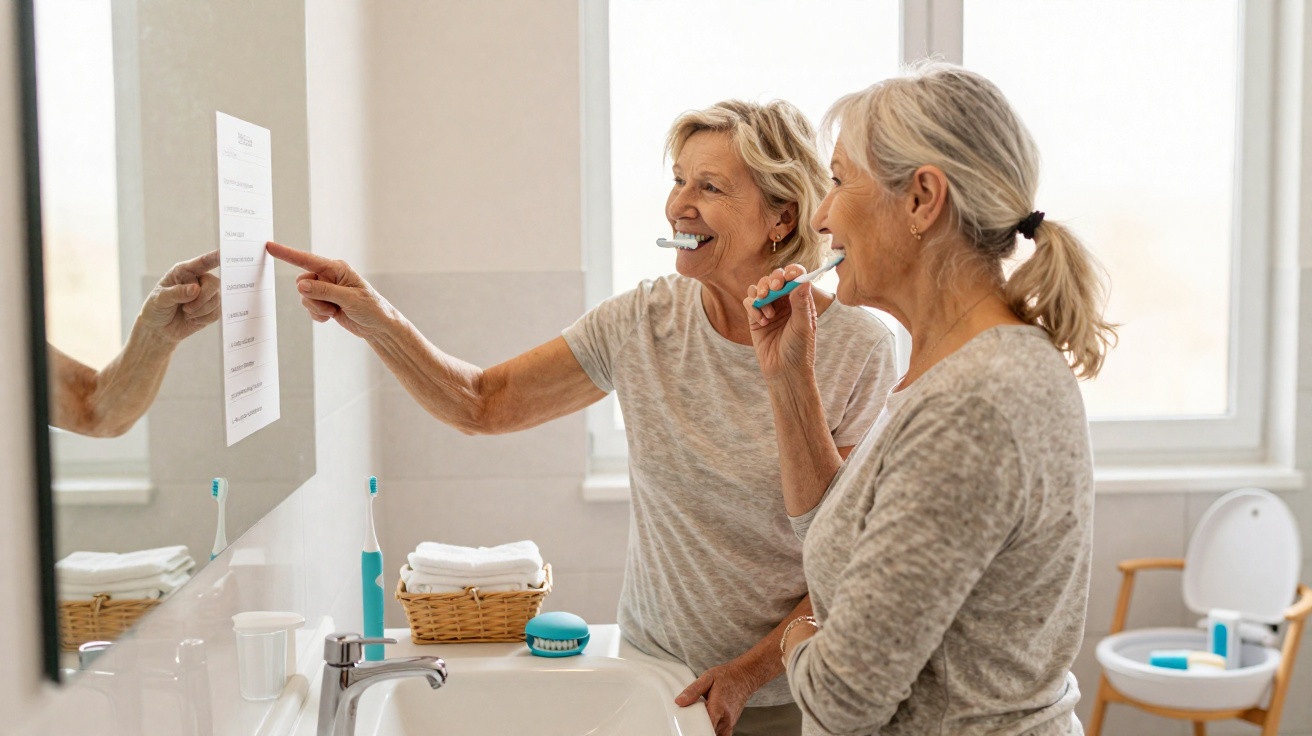
Oral care also needs a more tailored approach. Dental teams often advise a specific routine for many older adults: a soft toothbrush, fluoride toothpaste, and a final brush at night treated almost like a ritual-slow, systematic, and lasting at least two minutes. For anyone with arthritis, an electric brush can make a huge difference.
The biggest shift, however, is what happens between the teeth and along the gum line. Floss, interdental brushes or water flossers can be the difference between a stable mouth and ongoing inflammation. Many older adults also benefit from saliva substitutes, sugar-free gum, or gels that keep the mouth comfortable overnight. It may sound like fine detail, but it is not. Large studies have linked chronic gum inflammation with heart disease, diabetes complications and even cognitive decline.
Podiatrists are part of the hygiene picture too, even if it is easy to overlook them. Thickened nails, calluses and fungal infections are seldom “just cosmetic” after 65. They can change how the foot strikes the ground, increase pain, and raise the likelihood of falls. Regular foot checks, cutting nails straight across, and drying carefully between the toes are small actions with bigger benefits than most people realise.
Specialists often push for a simple change in mindset: in later life, hygiene becomes a team sport. It does not have to be a solitary, private obligation. It can be a shared routine involving a partner, adult child or carer.
“We need to stop equating ‘needing help in the bathroom’ with losing dignity,” says Dr. Helen Ward, a geriatrician in London. “Real dignity is being comfortable, safe and free from preventable infections. That sometimes takes teamwork.”
In practical terms, that means being frank. Saying “the shower scares me now” instead of silently avoiding it. Asking a daughter to look at the backs of the legs for patches of redness. Treating a bath seat, grab rail, or non-slip stickers as useful equipment rather than evidence of decline. At family level, it can mean gently acknowledging what everyone already suspects: routines built decades ago often need recalibrating.
- Shorter, cooler showers rather than long, hot ones that dry the skin.
- Moisturising straight after washing, particularly arms and legs.
- Regular mouth and foot checks to spot redness, pain or changes early.
Rethinking “clean” after 65: shifting from appearance to protection
Many of us were raised to see hygiene as a matter of presentation: not smelling, looking tidy, hair brushed. After 65, specialists quietly change the emphasis. The real test becomes whether a routine strengthens the body’s defences-or gradually undermines them.
That squeaky-clean feeling after a very hot shower can signal that the skin’s natural oils have been stripped away. A minty mouth can still conceal plaque between teeth and ongoing gum inflammation. An older man may shave daily yet ignore a red, slightly damp skin fold in his groin-technically “clean”, but heading towards a fungal infection.
Hygiene after 65 also intersects with independence. Any routine that is too long, too physically demanding, or too complicated is the first thing to be abandoned when fatigue, pain or low mood sets in. A simpler, gentler approach-fewer steps, milder products, supportive equipment placed where it is needed-tends to be sustainable. That is not laziness; it is a practical survival strategy.
There is an emotional layer that no checklist fully captures. The scent of a familiar soap, the texture of a well-used towel, the ritual of shaving or applying lotion can be small anchors when days feel uncertain. On a difficult morning, the real choice may be between “no shower” and “a quick, careful wash with a warm cloth”. Both are valid. On a better day, there may be the time and energy for a fuller routine that feels almost luxurious.
Most people recognise the moment when the mirror reflects a body that feels unfamiliar. After 65, those moments can arrive more often, and hygiene is frequently where the gap between how we feel inside and what the body can manage becomes obvious. In that space, a little kindness-from ourselves and from others-matters more than rigid rules.
Clinicians often tell patients the same thing in a low voice: hygiene is no longer about being “perfect”. It is about making peace with a changing body so infections, pain and shame do not take up more room than they should. The most helpful question to ask an older parent is not “Did you shower today?” but “Does your current routine still feel safe and comfortable?”
Beneath the soaps and creams, what is really being protected is a sense of control-not over time or ageing itself, but over the small daily actions that quietly say: this body is still mine.
| Key point | Detail | Why it matters to you |
|---|---|---|
| Metabolism of hygiene changes after 65 | Skin, gums and feet respond differently to heat, soap and friction | Encourages adjusting long-held routines rather than repeating them on autopilot |
| Less aggression, more protection | Shorter lukewarm showers, targeted washing and consistent moisturising | Reduces itching, infections and discomfort that many accept as “normal ageing” |
| Hygiene as teamwork, not a test | Open conversation, small aids, and support from relatives or carers | Helps preserve dignity and independence without turning the bathroom into a battleground |
FAQ:
- How often should a healthy senior shower? For many older adults, a brief, lukewarm shower every two to three days is enough, alongside a quick daily wash of intimate areas, underarms and skin folds with a flannel.
- Is it normal for skin to itch more after 65? It is common, but it should not be shrugged off. Dryness caused by hot water, harsh soap and missing moisturiser is a major trigger, and gentle tweaks to routine often ease itching noticeably.
- When does a senior need help with hygiene? Red flags include avoiding the shower, frequent falls or near-misses in the bathroom, strong body odour, visible redness or sores on the skin, and confusion about the steps involved.
- Which hygiene products are safest for older skin? Fragrance-free, pH-neutral cleansers, richer non-greasy moisturisers, and soft towels that do not scratch are commonly advised; daily use of strong antiseptic soaps is rarely necessary.
- How can families talk about hygiene without humiliating a parent? Put comfort and safety first rather than smell or appearance; speak in the first person (“I worry about you slipping in the bath”) and offer practical support instead of criticism.

Comments
No comments yet. Be the first to comment!
Leave a Comment