
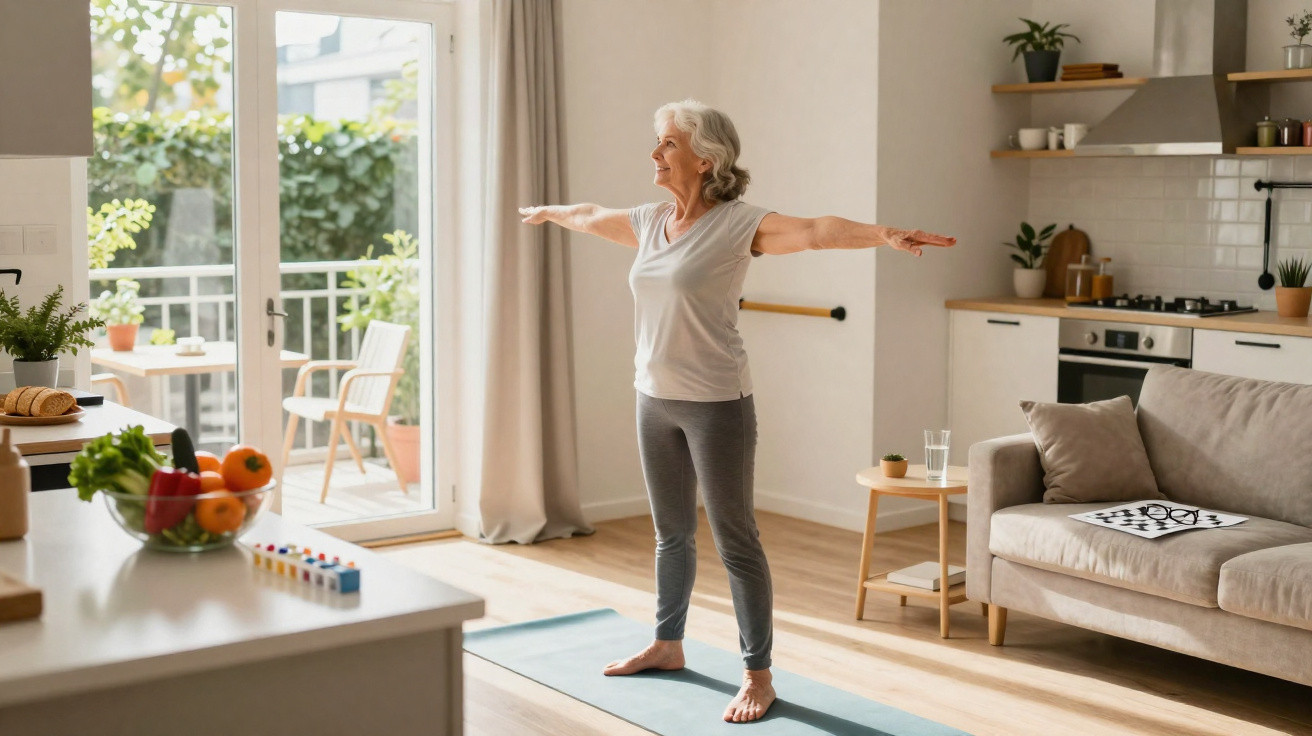
Ageing is a natural part of life, but it does not mean giving up independence. Maintaining healthy habits over the years can support the ability to carry out everyday tasks, protect physical and mental health, and promote wellbeing as time goes by. Small activities incorporated into a daily routine can make a difference.
“Protecting independence in later life does not mean doing everything alone; it means having the ability and support to take part in decisions and carry out the activities that are possible within one’s own circumstances. The adoption of healthy habits should take individual characteristics into account. For this reason, health professionals can advise on the most suitable activities, dietary changes and care for each person,” says Ma. Marcela Figueiredo Martins, coordinator of the Physiotherapy course at Faculdade Anhanguera.
Estela Mares, a lecturer on the Psychology course at Faculdade Anhanguera, explains that cognitive stimulation and social interaction are essential foundations for more active, independent ageing. “Activities that challenge the mind help to preserve memory and decision-making ability. At the same time, maintaining social connections reduces isolation and encourages participation in everyday activities. This combination of mental exercises and social interaction creates an environment that supports independence, delays functional decline and promotes quality of life in later life.”
Below, the specialists outline habits that can contribute to more active ageing. Take a look.
1. Keep the body moving
Regular physical activity can help maintain muscle strength, balance, mobility and endurance. These factors matter for daily tasks such as walking, climbing stairs and doing housework.
Walking, strengthening exercises, stretching and other activities can form part of a routine, provided they are appropriate for each person’s health condition and, where necessary, guided by a professional.
2. Follow a balanced diet
A varied diet helps provide nutrients that are important for the body to function properly. Fruit, vegetables, pulses, cereals, proteins and other foods can make up balanced meals, helping the body to be better prepared for physical activity. It is also important to stay well hydrated and to watch for changes in appetite or difficulties with eating, which may require professional assessment.
3. Stimulate memory and cognition
Keeping the brain active is another important habit. Reading, learning something new, doing crosswords, playing memory games, listening to music, studying or taking up a new hobby are all possible forms of cognitive stimulation. Rather than focusing solely on activities seen as being “for memory”, the key is to maintain a routine involving learning, curiosity and active participation.
4. Maintain a suitable sleep routine
Sleeping well supports rest and the proper functioning of the body. Ongoing changes in sleep, such as frequent difficulty getting to sleep or excessive daytime sleepiness, should be monitored.
Keeping regular times for going to bed and getting up, creating a comfortable environment and avoiding stimulants close to bedtime are among the measures that can support a healthier sleep routine.
5. Nurture social relationships
Contact with family, friends, neighbours and social groups can support emotional wellbeing and help maintain an active social life. Taking part in community, cultural, sporting or leisure activities may also reduce isolation and provide opportunities to share experiences and spend time with others.
6. Have regular health check-ups
Routine appointments and tests make it possible to monitor health conditions and identify changes that need attention. It is also important to keep vaccinations up to date and use medication only as advised by a healthcare professional. This follow-up can help preserve functional ability and prevent health problems from significantly affecting independence.
7. Adapt the home to prevent falls and accidents
Safety at home is particularly important for protecting older people’s independence. Loose rugs, items left around, inadequate lighting and obstructions in walkways can raise the risk of accidents. Simple actions, such as improving lighting, keeping rooms tidy and installing grab rails when needed, can make the home safer.
By Deiwerson Damasceno dos Santos






Comments
No comments yet. Be the first to comment!
Leave a Comment