
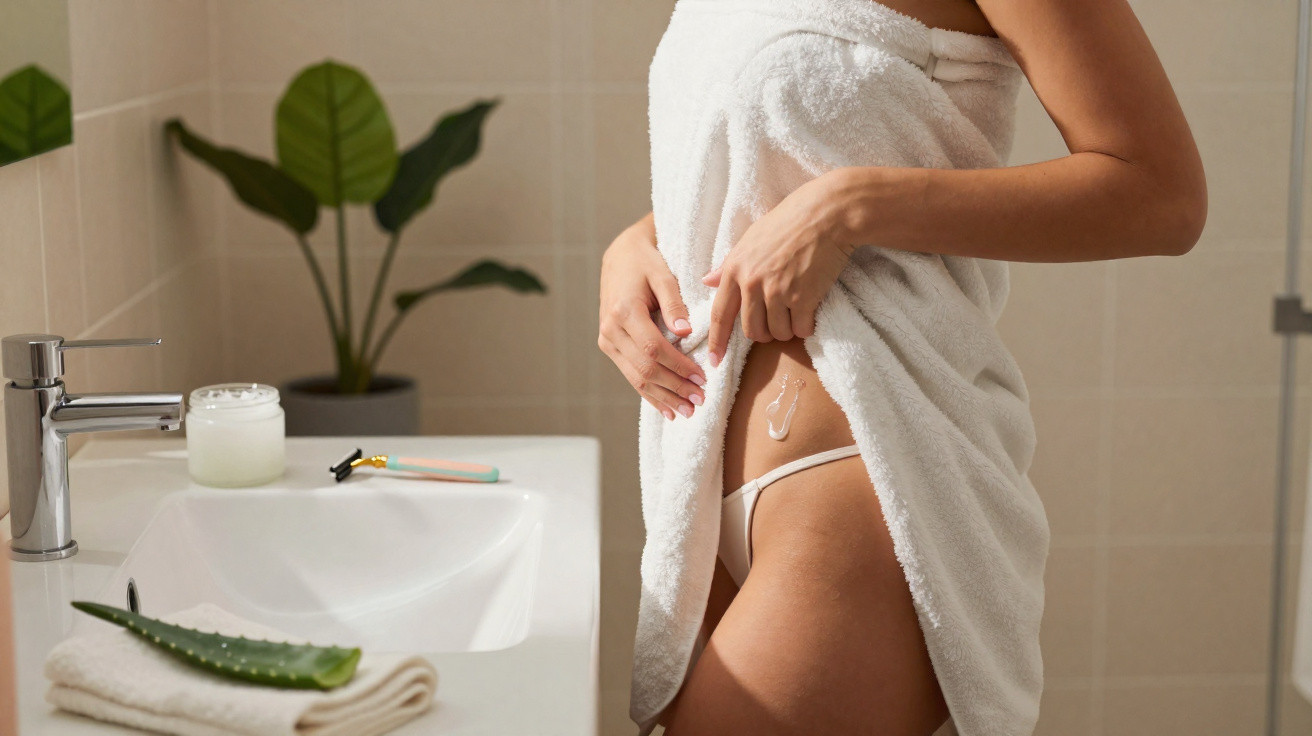
A small, painful bump in the bikini line can make getting dressed feel like a constant irritation. Ingrown hairs are a frequent after-effect of hair removal and they are not a sign of poor hygiene or lack of care. In most cases, they happen when a very close cut combines with inflammation, friction, and skin that is still trying to settle down.
Why do ingrown hairs happen after hair removal?
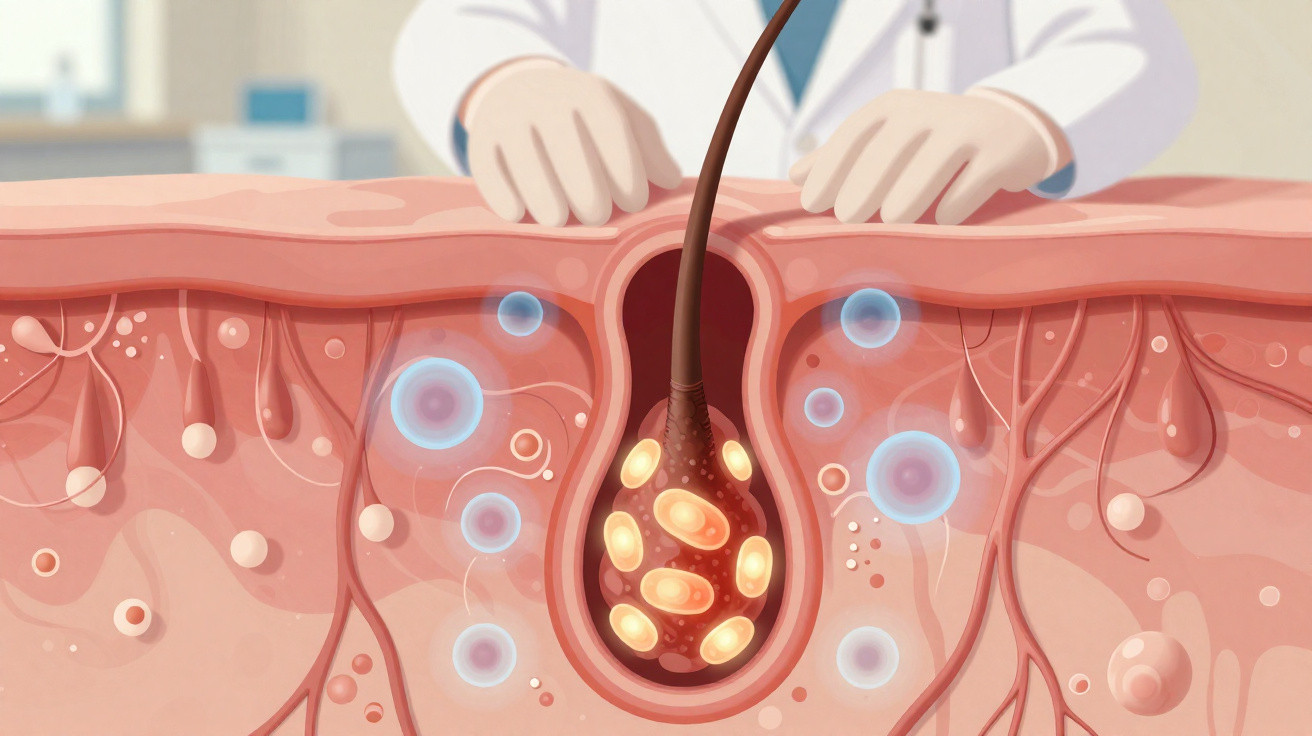
An ingrown hair develops when the hair grows back into the skin or becomes trapped beneath the surface, triggering an inflammatory reaction known as pseudofolliculitis. This can follow the use of a razor, wax, tweezers, or other methods that remove or cut the hair-particularly when the hairs are thick, curly, or grow in mixed directions.
In the bikini line area, heat, moisture, and ongoing contact with clothing add extra rubbing to skin that has already been sensitised. That is why redness, itching, and small raised bumps can show up even when hair removal was done carefully. Avoiding squeezing the bumps or trying to lift the hair out with objects helps prevent the inflammation from worsening and reduces the chance of marks being left behind.
Care starts immediately after hair removal
In the first few hours, your skin generally needs rest rather than a long list of products. Gently cleanse the external area, pat dry without rubbing, and apply a fragrance-free moisturiser to support the skin barrier. Products containing fragrance, alcohol, or multiple strong actives can sting and make early irritation worse.
It also helps to choose lightweight, looser clothing for the first 24 hours. Tight trousers, rough fabrics, and underwear that presses into the bikini line increase friction over follicles that have just been disturbed. This simple step reduces heat and discomfort, giving the skin time to recover before you return to your usual routine.
Exfoliation needs to be done at the right time
Exfoliating straight after hair removal can lead to stinging, tiny abrasions, and more inflammation. It is better to wait around two to three days, as long as there are no open areas or significant irritation. Exfoliation should be gentle, with no heavy pressure, and it does not need to be done daily to be effective.
A preventive routine can stay simple and comfortable. The key is to watch how your skin responds and stop any step that causes pain or persistent stinging:
- Wait two to three days before exfoliating
- Use gentle motions and avoid scrubbing hard
- Keep the external area clean and thoroughly dry
- Apply a fragrance-free moisturiser after care
- Do not pick at bumps or pull out trapped hairs
You can also watch the video shared on the YouTube channel Dr. Marina Hayashida, with tips on how to avoid folliculitis and dark marks after hair removal.
Hair removal technique also affects the problem
When shaving, repeatedly going over the same patch or shaving against the direction of growth can cut the hair too close and encourage it to curl back into the skin. Using a clean razor, keeping strokes short, and limiting the number of passes usually reduces irritation. The skin does not have to be perfectly smooth for hair removal to be done well.
If it keeps happening, it may be worth leaving longer gaps between sessions or discussing alternative methods with a dermatologist. Bumps containing pus, severe pain, warmth in the area, worsening over time, or marks that do not fade are all reasons to seek professional advice. These signs may point to more significant inflammation or folliculitis that should not be managed only with home remedies.
A gentle routine can change how your skin reacts
Preventing ingrown hairs does not mean hiding the issue or treating the bikini line with harsh steps. It means allowing recovery time, minimising friction, and choosing mild products. Start with the simplest combination: loose clothing for the first 24 hours, fragrance-free moisturising, and light exfoliation only after two to three days.
Pay attention to your skin at your next hair removal session and let go of the idea that stinging equals results. The sooner you swap pressure and “more is better” for consistency and gentleness, the less likely a common annoyance is to turn into repeated flare-ups. You deserve comfort now-without embarrassment, blame, or painful improvisation.


Comments
No comments yet. Be the first to comment!
Leave a Comment