
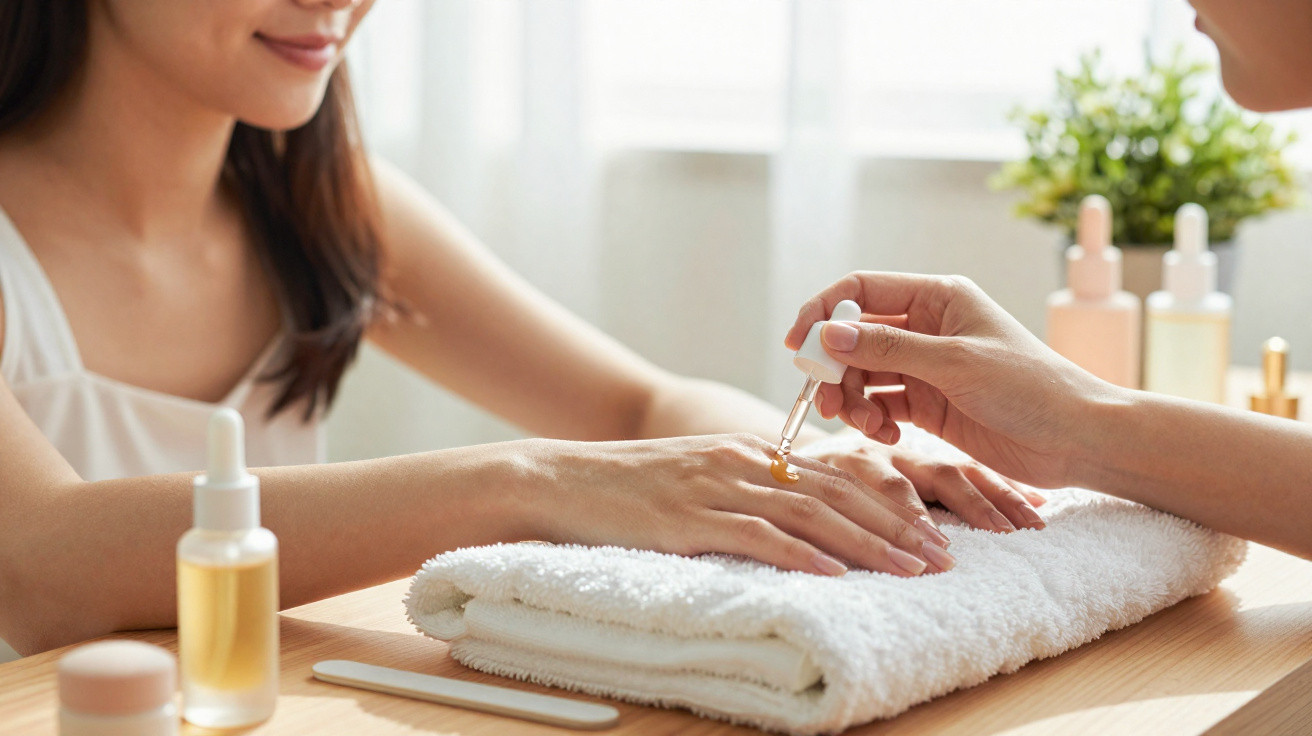
Daily washing-up, house cleaning and constant exposure to chemical products often leave nails dehydrated, peeling and with irritated cuticles. To limit that wear and tear, a Korean technique for protecting the cuticle has been gaining attention. It combines intensive hydration, barrier-style layers and consistent care. It can be done at home and is designed for people who need to keep their hands in frequent contact with water and detergents.
What is the Korean technique for protecting cuticles and nails?
This approach puts the health of the nail edge and the surrounding skin first-before thinking about polish or extensions. Rather than cutting the cuticle aggressively, the aim is to soften, nourish and seal the area, building a protective “shield” against dryness and micro-cracks.
Within this routine, the cuticle is treated as a structure that helps protect against microorganisms. For that reason, deep cutting is replaced with emollient products and gentle removal of only loose bits of skin. Over time, this can reduce nicks and inflammation and improve how the hands look overall, leaving nails more flexible and more even.
How to do the Korean nail technique step by step
The method blends gentle cleansing, layered hydration and a final protective step, and it can be adjusted to suit each person’s routine. The goal is a sequence that is simple but consistent, creating a hydrating barrier without making hands feel overly sticky or greasy.
Gentle cleansing for hands and nails
Wash hands with warm water and a mild soap, avoiding harsh scrubbing. Dry thoroughly, especially between fingers and around the cuticles, by pressing the towel onto the skin rather than rubbing.Apply a hydrating serum or essence
Choose a lightweight nail-and-cuticle serum containing hyaluronic acid, panthenol, glycerine or soothing extracts. Use a few drops and massage into each nail until absorbed.Use a dedicated cuticle oil
Apply cuticle oil with jojoba, sweet almond, grapeseed or argan around the base of the nail and the surrounding skin. This layer helps seal in the serum’s moisture.Hand cream as the final protective layer
Follow with a richer hand cream featuring shea butter, ceramides or niacinamide. This step matters most for anyone whose hands are often in water.Planning around nail polish
Wait until the products have soaked in before applying a base coat. Opt for a strengthening base, and keep using cuticle oil even over polished nails.
When to apply products and which extra measures help?
These products tend to perform best when spaced throughout the day, with particular focus on morning and night. This helps maintain hydration even for people who wash their hands frequently or work with cleaning agents.
To make it easier to keep up, it can help to set small routines at key times-plus a few tweaks for heavy chemical exposure or very weak nails:
- Morning – gentle cleanse, serum on the cuticles and a light hand cream; wear gloves when using washing-up liquid and other detergents.
- During the day – reapply a fluid cream and, if possible, use a pen-style cuticle oil for the cuticle area.
- Night – repeat serum, oil and a thicker cream; cotton gloves can be worn for a few minutes if desired.
- Fragile nails – consider base coats with calcium or biotin, and seek professional guidance if you have allergies.
How often to repeat it and which habits offer the most protection?
A full application at night can be done daily, while topping up with cream and oil during the day works as reinforcement. For very dry hands, it’s commonly suggested to do the more intensive hydration at least five times a week to see lasting improvement.
Beyond that, wearing lined gloves when handling detergents, avoiding complete cuticle removal, taking breaks between manicures, and watching for pain or redness all support nail health. With consistency, this routine typically leads to more intact cuticles, fewer breaks and stronger resistance to everyday contact with water and cleaning products.


Comments
No comments yet. Be the first to comment!
Leave a Comment