
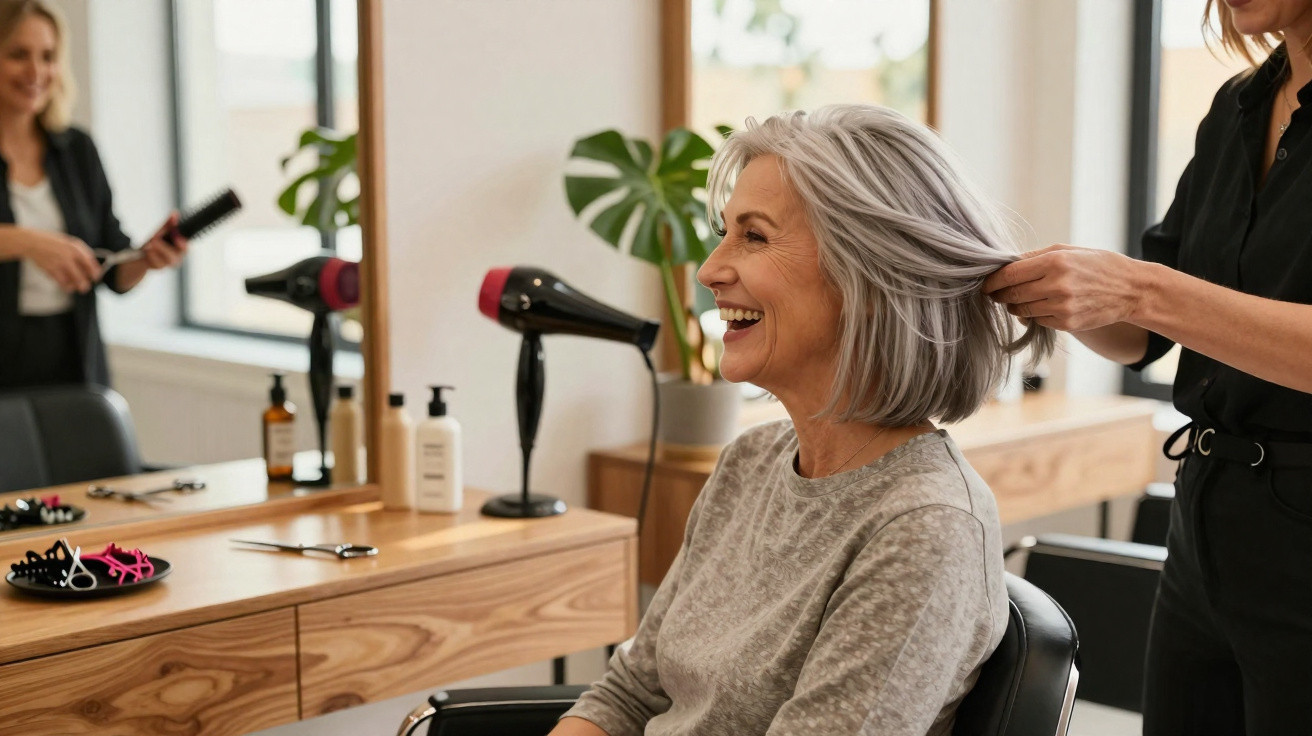
The woman in the salon chair wore that familiar expression - half anticipation, half contained dread. At sixty-two, with silver roots pushing through, she held her mouth tight while the hairdresser lifted lifeless layers - the kind that had survived too many at-home dyes and lukewarm “just a trim” appointments. Nearby, women in their twenties scrolled on their phones with hair that looked polished to perfection. She clocked them in the mirror, then met her own eyes again and almost recoiled.
“I don’t want to look younger,” she said, then hesitated. “Actually… maybe I do. Just not ridiculous.”
The stylist grinned, already tracing an imaginary line along her jaw with deft fingers. The scissors caught the light. In the background, blow-dryers made that steady salon hum. The mood shifted - like the start of a small, silent revolt.
Ten minutes later, the first section fell, and heads turned.
Because this is the cut that makes hairdressers murmur: that’s the most youthful look after 60.
The most youthful haircut after 60? It’s not what you think
Ask a few friends over 60 to describe a “young” haircut and the answer is often the same: long, flowing hair - lots of it. It’s an idea many of us absorbed from old shampoo adverts. But in day-to-day salon reality, a lot of stylists quietly point clients towards something else.
They’ll often recommend a contemporary, slightly tousled bob - sometimes cut to the chin, sometimes grazing the collarbone. It isn’t harsh. It doesn’t sit like a helmet. Instead, it falls softly around the face and has movement.
It also doesn’t shout “I’m trying.” It simply gives a gentle lift: the jawline, the cheekbones, even the way you hold yourself. That’s why so many professionals call it the most youthful haircut after 60 - regardless of wrinkles, weight, or what you happen to be wearing.
A stylist in London told me about a client of hers, 68, who’d stuck with the same below-the-shoulder layers since the 80s. Over time her hair had become finer, sagged, and lost its structure, but she held onto the length “because long hair is younger, right?”
They reached a middle ground: a relaxed, jaw-length bob with soft texture and a side parting. At first glance, nothing dramatic. Still recognisably her - just… cleaner. Lighter.
When she returned the following month, she seemed almost puzzled. Colleagues had asked if she’d “done something” to her face. Her granddaughter told her she looked like she did “in old photos.” People registered the difference, without necessarily spotting the haircut. And that’s precisely the power of a well-cut bob after 60.
There’s a practical reason this shape works so well at this stage of life. With age, hair density often reduces - particularly around the temples and along the parting. Longer, heavier lengths can pull that thinner hair down, giving the whole face a more tired look.
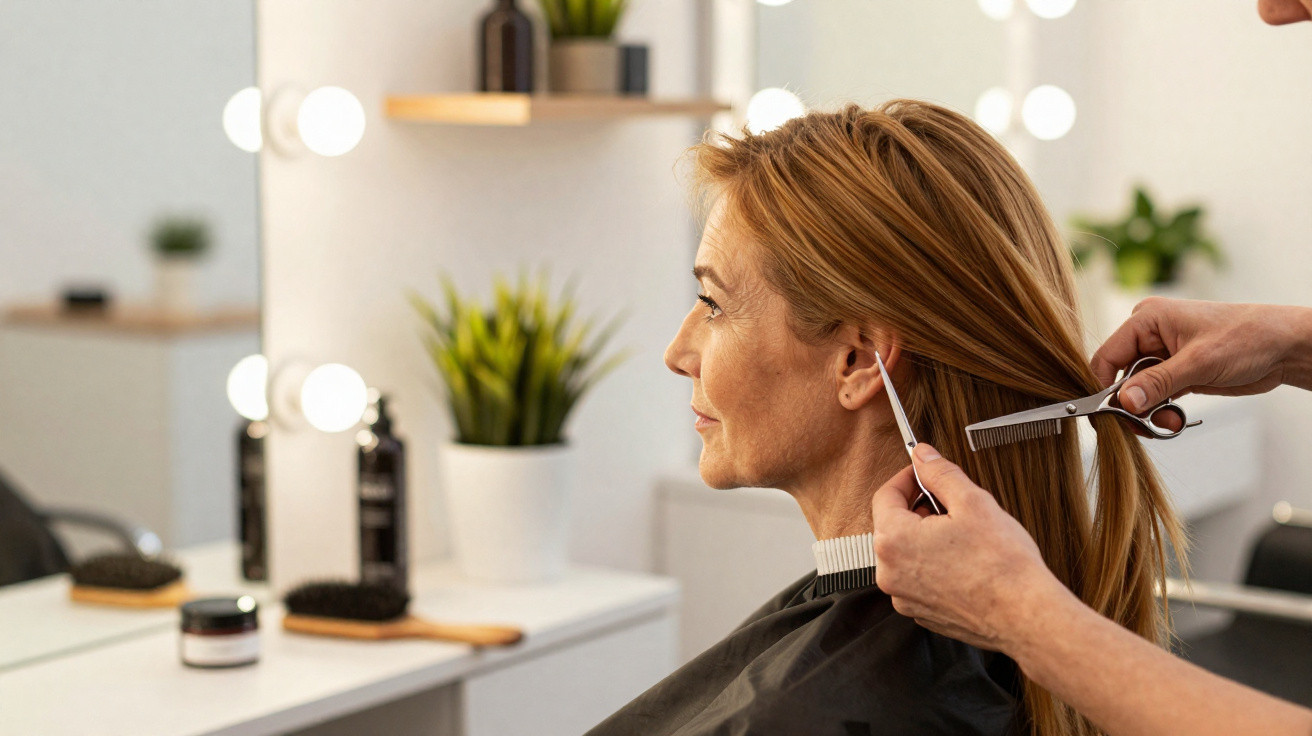
A modern bob shortens the visual line. It shifts focus to your eyes and cheekbones rather than the ends. If it’s gently layered or slightly undercut at the nape, you get lift without needing crunchy volume sprays.
Add a soft fringe or a few face-framing pieces and you can blur forehead lines and soften the jaw without a single injection. The effect is understated: more freshness, more presence, more “alive”. That’s why stylists keep guiding clients towards this in-between length - not quite short, not quite long.
How to ask for the “youthful after 60” bob - and actually get it
The trick isn’t simply “get a bob”. The result depends on how it’s tailored to your hair texture and your everyday routine. When you sit in the chair, avoid woolly terms like “chic” or “modern”. Bring two or three reference photos - not celebrities at 25, but women around your age whose hair you genuinely like.
Be clear about the length you’re comfortable with: at the jaw, just under the chin, or brushing the collarbone. Ask for softness around the face and movement through the ends - not a blunt, schoolgirl line. And say plainly whether you want wash-and-go hair, or whether you’re happy spending ten minutes with a brush.
The most youthful bob after 60 isn’t one exact template. It’s the version you can live with - without battling it every morning.
There’s something people rarely say out loud: choosing a shorter cut after 60 can feel like giving in. Plenty of women worry a bob is the first step towards the dreaded “old lady cut”. That fear keeps them clinging to long, weary lengths long after those lengths have stopped doing them any favours.
So if your stomach tightens when the scissors appear, that doesn’t make you vain or shallow. It makes you human. Take it gradually. Ask your stylist to work in stages across two or three appointments. Lose two or three centimetres at a time, refine the outline, see how it sits.
What often happens is surprising: as the hair rises, the face seems to brighten. The worry slowly shifts from “Will I look older?” to “Why didn’t I do this sooner?”
One Paris colourist described it like this:
“After 60, the most youthful haircut isn’t the one that hides your age. It’s the one that stops hiding you.”
Hair carries a lot of emotional weight at this point in life: divorce, retirement, illness, new love, grandchildren. In a salon, it all comes out. On the right day, a bob isn’t merely a style decision - it’s a line drawn in the sand.
To make the choice feel easier, think in manageable moves rather than one big transformation:
- Ease the length gradually towards the jaw or collarbone.
- Add discreet layers for movement, not a bulky “volume helmet”.
- Lift the colour by one or two tones; steer clear of flat black.
- Soften the parting: slightly off-centre is often kinder to the face.
- Try a light, airy fringe before committing to a full one.
Living with your new cut: daily reality, not Instagram fantasy
After the salon lights and compliments, there’s just you, the bathroom mirror, and a towel. What makes this youthful bob work after 60 isn’t flawlessness - it’s practicality. Hair that looks right for your real life.
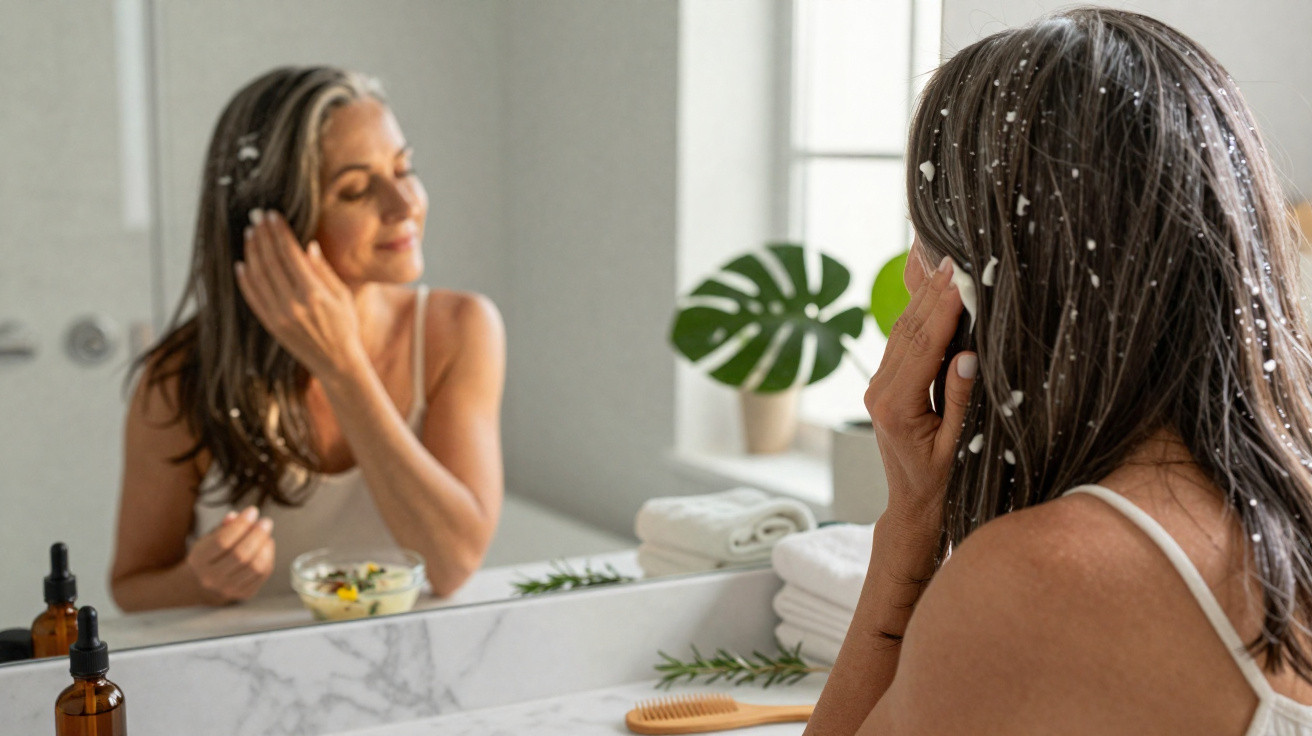
Blot gently with a towel, work in a pea-sized amount of lightweight mousse or cream through the mid-lengths and ends, then rough-dry using your fingers. Use a round brush only at the front to open up the face. Five, maybe eight minutes. Done.
The secret is controlled imperfection. Slightly undone ends look fresher than rigid styling. A touch of movement reads as energy, not effort. Let’s be honest: nobody does this perfectly, to the millimetre, every single day.
Many women over 60 get caught in two predictable traps with this haircut. First: trying to recreate the salon blow-dry every day, then feeling defeated. Second: abandoning it completely, letting it drift into an undefined in-between length that starts dragging everything down again.
Think of your bob as a shape that’s meant to stay alive. It needs small tweaks, not theatrics. A soft bend from a medium curling brush or a quick pass with straighteners can bring it back to life. A root-lifting spray used at the crown can rescue a “flat” day in about thirty seconds.
The aim isn’t salon-grade perfection. The aim is to look in the mirror and think, Yes, that looks like me on a good day - without a full styling team hiding in your bathroom.
When you speak to hairdressers who mainly work with clients over 55, a theme comes up again and again. The biggest change often isn’t technical - it’s psychological.
“The real glow-up,” one Italian stylist told me, “is when a woman stops apologizing for her age and starts choosing hair that matches her energy, not her birth year.”
That’s exactly where this cut excels. A properly shaped bob after 60 can carry reinvention, quiet confidence, even a hint of defiance. On a packed bus, at a family dinner, or in a Zoom meeting where no filter can fix a bad hair day, it quietly communicates: I’m still here, and I’ve removed the excess.
- You’re not chasing your 30s - you’re upgrading your 60s.
- The cut lifts the face without pretending time can be erased.
- Upkeep is consistent, but not draining.
- Colour can work with grey, rather than fighting it constantly.
- The style fits your routine, not an influencer’s.
A cut that respects your age - and breaks the rules a little
A particular kind of freedom can arrive after 60. You’ve watched enough trends cycle in and out to know a haircut won’t transform your entire life - but it can still transform your days. The modern bob sits right in that sweet spot: sensible on paper, quietly bold in reality.
You’re not attempting to pass for 40. You’re choosing a shape that frames your face, brightens your expression, and allows silver strands, freckles, and laugh lines to exist together. Stylists call it “youthful” not because it pretends you’re younger, but because it signals movement, curiosity, and the opposite of giving up.
On a bus, in a queue, in a waiting room - you spot it on another woman and find yourself thinking, almost without meaning to, “That looks good on her. I could maybe pull that off.” That small maybe is often where change starts.
| Key point | Detail | Benefit for the reader |
|---|---|---|
| Ideal length | Between the jaw and the collarbone, with soft edges | Helps refine the face without making features look harsh |
| Texture and movement | Light layers, blurred finish or slightly tousled | Creates a sense of energy and freshness |
| Realistic upkeep | Haircuts every 6–8 weeks, styling 5–10 minutes | Keeps a modern look without an exhausting routine |
FAQ:
- What is the single most youthful haircut after 60, according to hairstylists? Most pros point to a modern, slightly textured bob sitting between the jaw and collarbone, with soft movement and face-framing pieces.
- Will going for a bob make me look “older” instead of younger? If it’s too rigid, too short, or not adapted to your texture, yes, it can age you. A soft, tailored bob that follows your face shape tends to lift and freshen your features instead.
- How often should I trim a bob after 60 to keep it flattering? Every 6 to 8 weeks is ideal. That keeps the line crisp, the ends healthy, and prevents the cut from sagging into an unflattering in-between length.
- Can a youthful bob work with natural grey or white hair? Absolutely. Many stylists love pairing this cut with silver hair, sometimes adding subtle highlights or lowlights to create dimension and shine.
- I have fine, thinning hair - will a bob make it look even flatter? Not if it’s cut correctly. Strategic layering, an undercut at the nape, and light styling products at the roots can make fine hair look fuller and more lifted than long, heavy lengths.

Comments
No comments yet. Be the first to comment!
Leave a Comment