
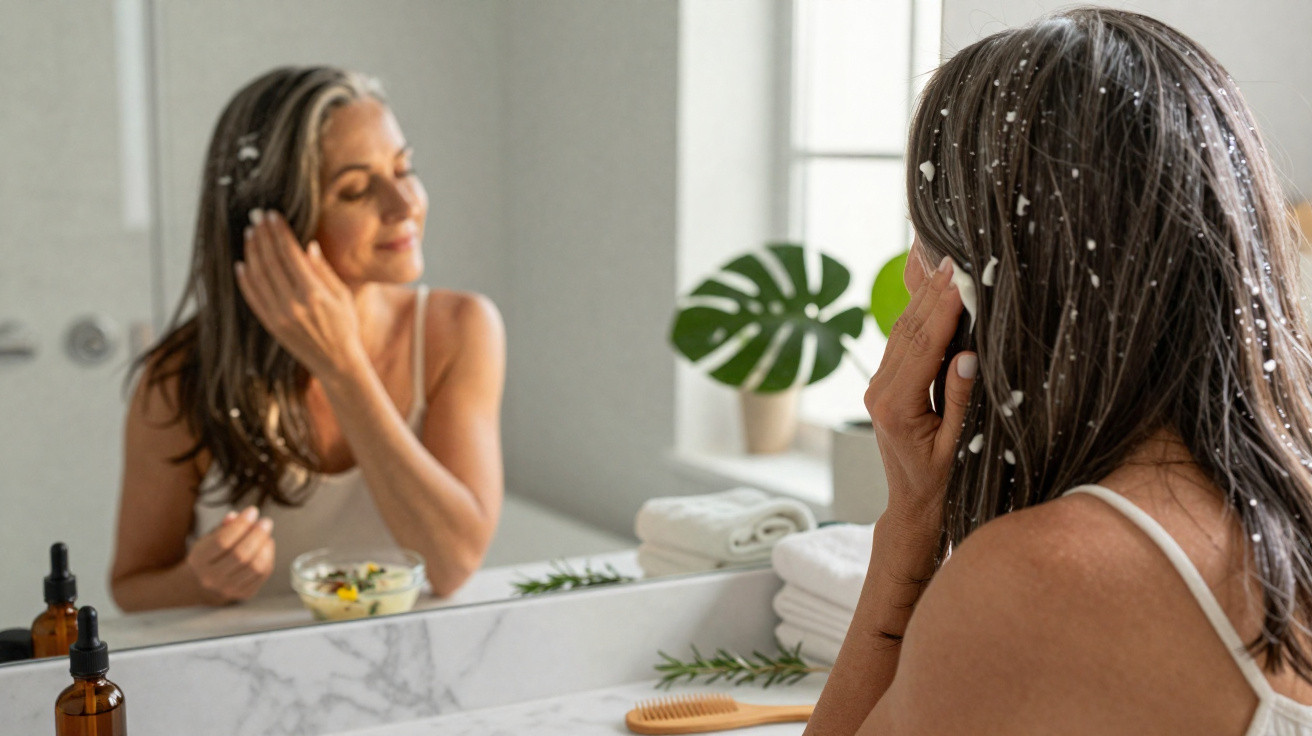
Grey strands are increasingly being worn as an intentional look rather than treated as an emergency, as a low-key trend alters how people manage ageing hair.
From salon chairs to social feeds, attitudes towards grey hair are shifting. Instead of strong dyes and never-ending root appointments, more people are choosing gentler, more natural-looking methods that quietly nudge beauty standards around age.
The quiet rebellion against traditional hair dye
For years, the pattern was predictable: the first greys show up, an appointment gets booked, and a colourist covers them. That loop can run for a long time, with regrowth becoming noticeable again every three to four weeks. Increasingly, people say they are worn down by the cycle - emotionally and financially.
Hair doesn’t only change shade as it ages. Grey strands commonly become drier, coarser and easier to snap. They also bounce light in a different way, which can make a fresh cut appear less sleek, even right after styling. If someone already links grey with stress or exhaustion, those changes can knock confidence.
Grey hair is not the problem; the contrast and texture around it often create that “tired” look people want to avoid.
Rather than battling each individual strand, the emerging approach aims to soften greys, blend them, and improve the hair fibre at the same time. The intention is not “back to my twenties”, but “a cleaner, healthier version of me as I am now”.
A new approach: tinting, not dyeing
The wave currently circulating on TikTok and beauty forums is not focused on permanent box colour. Instead, it favours natural pigments and conditioning masks designed to deepen greys gently, not completely mask them. In feel and routine, these products sit closer to skincare than classic dye.
Instead of one harsh, all-at-once process, it becomes a set of small, repeatable tweaks. People build up mild colour, gloss and moisture, then repeat regularly - much like doing a weekly face mask. Over time, the overall tone can look softer and richer, while the scalp tends to stay more comfortable.
The big shift: from “erase every grey now” to “nudge the tone regularly and keep the hair fibre strong”.
Why cocoa powder is suddenly in your bathroom
A standout ingredient in this conversation is something many people already have at home: cocoa powder. Not a sugary hot chocolate mix, but plain, unsweetened cocoa.
Cocoa combines several benefits that greying hair often needs:
- A naturally brown pigment that can gradually stain lighter strands.
- Antioxidants that may help shield hair fibres from daily wear and tear.
- Fatty elements that can boost softness and shine when combined with conditioner.
Those who experiment with cocoa masks often report two consistent differences when they keep at it. For one, grey areas can take on a softer, cooler brown tint - particularly at the temples and along the parting. For another, hair may feel less fragile, which can make styling simpler and help reduce frizz.
How the cocoa method works in practice
The basic routine shared online is simple, affordable, and easy to tailor depending on hair type and how much grey someone wants to blend.
| Step | What to do |
|---|---|
| 1 | Wash hair using a gentle shampoo, then towel-dry so it is damp. |
| 2 | Combine 1 tablespoon of unsweetened cocoa powder with a portion of silicone-free, oil-free conditioner. |
| 3 | Mix well until the paste is completely smooth, with no dry bits left. |
| 4 | Apply mainly to the grey or very light sections, then distribute through the lengths if required. |
| 5 | Leave for up to 20 minutes, then rinse thoroughly with lukewarm water. |
Because cocoa doesn’t behave like a chemical dye, the early results are usually understated. Using it regularly - often once or twice a week - gradually builds depth. It tends to show up more clearly on light brown and medium brown hair than on very dark hair.
This method behaves more like a stain than a full colour change: repeated layers slowly deepen the tone without a sharp root line.
Who this trend actually suits
A full switch away from traditional colour is not for everyone, but plenty of people find this gentler route appealing.
People in the early stages of greying
If only around 10–30% of the hair has gone grey, a solid salon colour can sometimes read as flat or overly uniform. A light tinting approach can:
- Soften the first streaks rather than conceal them entirely.
- Steer clear of a hard, single-shade “helmet” look.
- Put off the point at which permanent dye starts to feel like the only option.
Those with sensitive scalps or damaged hair
Frequent classic dyeing and bleaching can trigger irritation, tingling, or more breakage. A cocoa-based mask contains no ammonia or peroxide, so many people find their scalp tolerates it better. If hair has been heavily processed, the conditioning element may also help it feel smoother.
However, cocoa is still a plant-derived ingredient. Anyone with food allergies or highly reactive skin should do a patch test behind the ear or on the inner arm before using it more widely.
Does it really make you look younger?
The “younger” effect linked to this trend is less about trying to look 25 and more about balance. When grey strands are extremely bright next to the rest of the hair, they reflect light strongly and can draw attention to fine lines or dark circles. Reducing that contrast can make the face look calmer overall.
A faint brown veil over silver can also help a haircut read as more defined. Layers can look more intentional, fringes may appear fuller, and the hairline can seem less uneven. These small shifts often change how old someone feels they look more than the actual number of grey hairs does.
People who try gradual tinting often say they feel “more put together”, not necessarily “younger” - and that nuance matters.
How this compares with classic salon options
Salons now describe several different ways to manage greys, each with its own pros and cons. Cocoa masks sit at the gentlest end.
- Permanent dye: strong coverage, obvious regrowth, more chemicals, longer gaps between sessions.
- Demi-permanent gloss: a softer regrowth line, moderate coverage, best done professionally.
- Highlights and lowlights: blends grey visually with blonde or brown, higher price, relies on salon skill.
- Natural tints like cocoa: low damage, light coverage, needs frequent use to see a change.
Many people are also combining methods. They might use salon colour a few times a year for structure, then keep the tone on track at home with cocoa masks or similar treatments between appointments. This mixed approach can space out visits and reduce chemical exposure.
Tips to make the cocoa trend actually work
Although it’s straightforward, a few practical pointers make the difference between results and frustration:
- Go for pure, unsweetened cocoa powder with no added sugar or flavourings.
- Test on a small section first (for example, at the temples) to see how the tone develops.
- Tweak the mix: more cocoa for a deeper tint, more conditioner for a softer effect.
- Keep expectations grounded: think a gentle filter, not instant full-coverage colour.
- Back it up with a moisturising shampoo and a leave-in product through the lengths.
Your starting shade matters too. Very white hair may drift towards a soft beige-brown, while salt-and-pepper hair often ends up looking more diffused and smoky rather than like a single solid colour.
Beyond cocoa: broader care for ageing hair
Going grey reflects more than a change in pigment. As melanin slows, the scalp barrier shifts and follicles often produce less natural oil. In other words, texture and moisture can be just as important as colour.
People who use the cocoa method often add other gentle habits alongside it: turning down heat styling, choosing wide-tooth combs over harsh brushes, and using microfibre towels instead of rough cotton. Some also try scalp massage with lightweight oils to support circulation and relaxation, which may slightly improve shine and volume over time.
Dermatologists also point out that lifestyle influences how greying feels day to day. Long-term stress, smoking and nutritional deficiencies can speed the process up or make hair seem weaker. Simple checks - iron levels, vitamin D, B12 - can sometimes uncover issues that, once addressed, help hair behave better even if the colour itself doesn’t return.
If you’re weighing up your options, speaking with a trichologist or dermatologist can help you understand when natural stains like cocoa are worth trying and when stronger, medically guided treatments might be more appropriate. This is the middle ground between total dye and total acceptance - and it gives people more control over how they adapt to what they see in the mirror, in their own time.

Comments
No comments yet. Be the first to comment!
Leave a Comment