
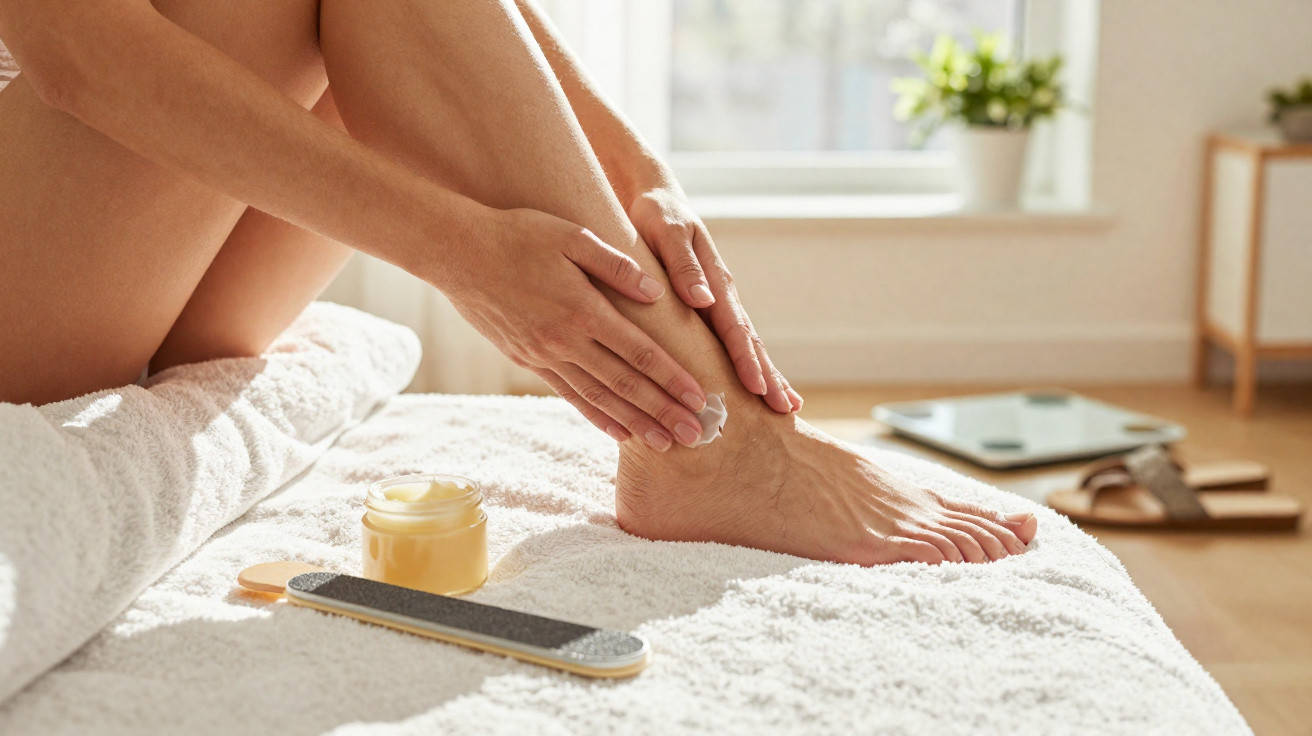
Many people live with the ongoing irritation of deep cracks in the heels, even when they apply creams to their skin every day. This common issue suggests that the true reasons for peeling go far beyond simple dryness and require careful medical investigation.
Why do cracked feet persist even after moisturising?
When the skin on the foot loses its natural protective barrier, water evaporates rapidly, leading to chronic dehydration. This makes it easier for dead skin cells to build up, forming an extremely hard, inflexible layer on the heels that eventually splits.
On top of that, a lack of essential nutrients in day-to-day diet directly undermines healthy skin regeneration. Ongoing shortages of protein, vitamins and key minerals leave the skin more fragile, rougher and more prone to painful fissures on the sole of the foot.
Which facial hydration secret helps prevent cracked heels?
Powerful skincare ingredients that used to be applied only to the face are now preventing cracks in the heels because they act… Read more
What are the main medical conditions behind the problem?
Several silent conditions can be closely linked to thickening and extreme peeling on the soles of the feet. Common systemic conditions, such as diabetes and hypothyroidism, affect how the body functions and significantly reduce natural hydration across the entire skin barrier.
Another key contributor is local dermatological problems, such as untreated fungal infections that thicken the epidermis. In addition, psoriasis and atopic dermatitis are inflammatory conditions that damage skin integrity, leaving the area highly vulnerable to painful cracks.
Below, watch the video from the Dermart By João Paulo Junqueira YouTube channel, which explains the causes and the main treatment approaches for this problem:
How do excess weight and unsuitable shoes damage the skin?
Constant physical pressure on the heels is a crucial mechanical factor that speeds up the formation of splits. Putting on weight significantly increases the load the feet must carry, forcing dry skin to stretch until the tissues ultimately rupture.
Beyond body weight, regularly wearing unsuitable footwear plays a decisive role in daily damage to the feet. Shoes that are too tight, or open-backed styles that allow the heel to move freely, greatly increase ongoing friction and harmful pressure in that area.
Daily heel care
Pillars to prevent cracks
Adopt simple habits in your routine to restore skin health:
- 1
Wear closed, comfortable shoes that properly support the heel; - 2
Choose cotton socks to reduce friction and help maintain natural moisture; - 3
Drink plenty of water each day and apply creams with highly moisturising active ingredients.
Why can filing your heels at home be dangerous?
Using metal files or a pumice stone to try to remove thickened skin often makes the situation worse. Excessive mechanical filing acts as an assault, prompting the body to produce an even thicker layer to protect the area against wear.
To restore lost flexibility without triggering a harmful rebound effect, the best option is deep moisturising. Replacing abrasive habits with potent creams gradually brings back softness and maintains essential defences against skin fissures without causing trauma to the sole.
For the best results with at-home care, it is essential to prioritise the following preventive steps:
- Completely avoid using abrasive files or porous stones on the heels;
- Apply concentrated moisturising creams straight after your daily shower;
- Drink water regularly to support hydration from the inside out.
What are the real risks of ignoring fissures in the feet?
Overlooking splits in the heels can turn a cosmetic concern into a debilitating health issue. As dryness worsens, fissures deepen, reaching sensitive layers and causing severe pain that can stop you simply being able to walk steadily.
In addition to intense discomfort, openings in the dermis act as entry points for harmful bacteria. Without appropriate dermatological treatment, these exposed splits can easily develop into serious infections such as erysipelas, requiring urgent medical care to prevent further health complications.




Comments
No comments yet. Be the first to comment!
Leave a Comment