
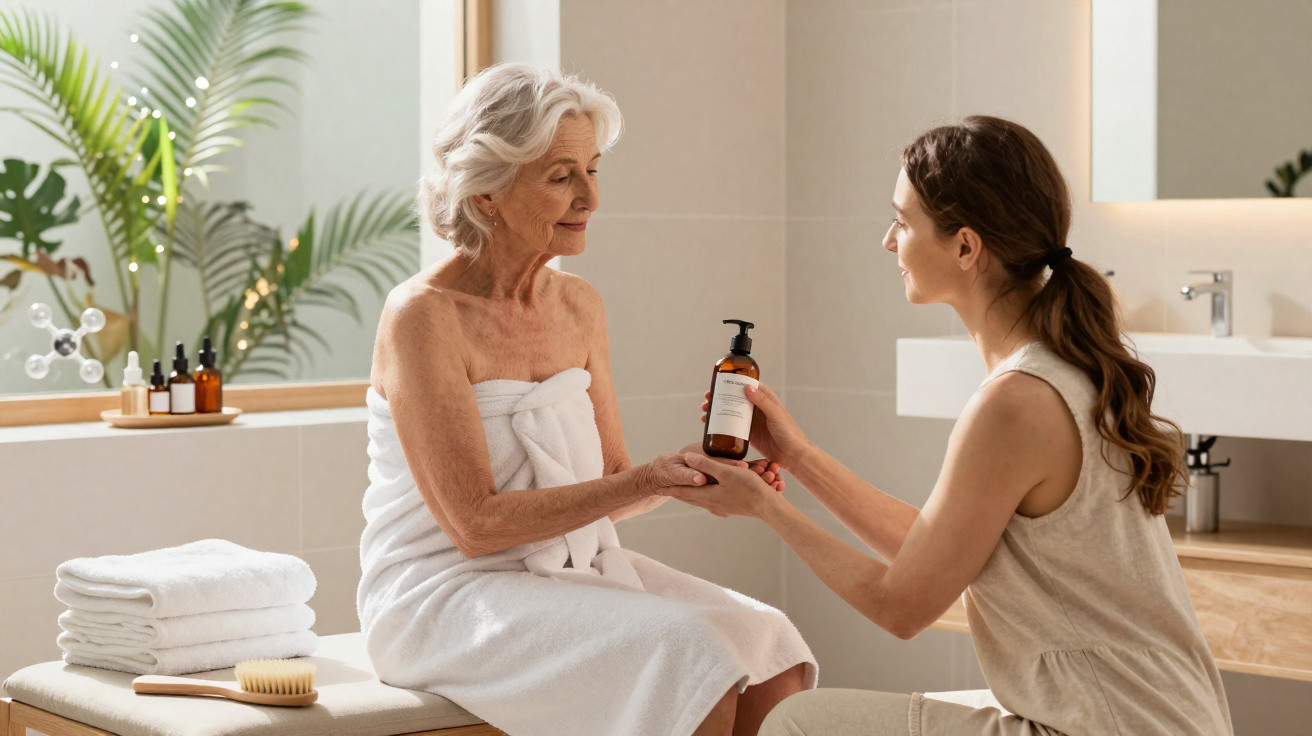
Many people have noticed a distinct smell in homes and spaces regularly used by older adults. It is rarely discussed openly, yet it is widely recognised. What most people do not realise is that this characteristic odour has a clear chemical cause backed by scientific evidence, and it has absolutely nothing to do with poor personal hygiene. Showering more often or using extra soap does not fix it, because the source of the smell is not simply on the skin’s surface.
The compound science has identified as responsible for the odour
Scientists have pinpointed the chemical linked to the smell associated with ageing: 2-nonenal. It forms when omega-7 fatty acids that naturally sit on the skin begin to break down. As we get older, the body tends to produce more of these fatty acids while also becoming less effective at clearing them away. When these fatty acids oxidise on contact with air, they generate 2-nonenal, which then builds up on the skin and in clothing, creating the familiar odour.
Production of 2-nonenal becomes noticeable from around the age of 40. Researchers describe the smell as oily, slightly grassy, or faintly reminiscent of old paper-an odd mix that is hard to define precisely, but easy to recognise once you encounter it. Younger people produce little to none of this compound, which is why the smell is strongly associated with later life.
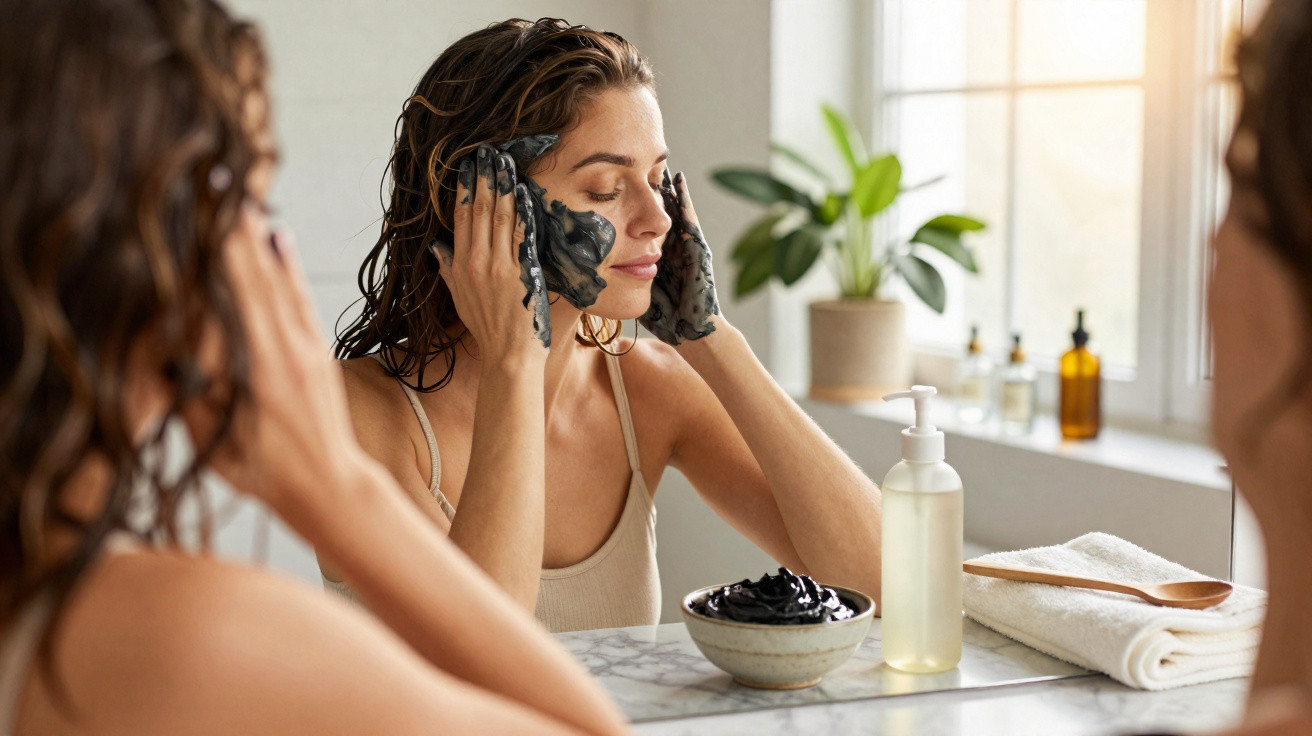
- Activated charcoal or clay soaps: typically more effective than standard soaps at lifting lipophilic compounds such as 2-nonenal from the skin
- Frequent changes of bed linen and towels: 2-nonenal accumulates heavily in fabrics that stay in prolonged contact with the skin, so regular changes are among the most effective steps
- Washing clothes in hot water: higher temperatures remove oils embedded in textiles far more effectively than cold washes
- An antioxidant-rich diet: foods such as berries, dark green vegetables, and nuts can slightly reduce the oxidation of fatty acids that leads to the compound
- Ongoing ventilation indoors: keeping windows open reduces how concentrated the odour becomes in the air and helps stop it lingering in rooms where someone spends the most time
Why ordinary washing does not solve this specific odour
A typical wash fails to remove 2-nonenal for a straightforward chemical reason: the compound is lipophilic-it binds to oils rather than dissolving in water. Standard soap can lift dirt and some surface oil, but it does not have enough chemical affinity to capture and remove 2-nonenal efficiently. Even after a thorough wash, the compound can start building up again within hours because it continues to be produced deeper within the epidermis.
Understanding this process is crucial for challenging the stigma around the smell. Someone can shower twice a day, use fragranced soap, and change clothes frequently, yet still have the characteristic odour-because the issue is not hygiene habits, but a biochemical process occurring within the skin that no external cleaning routine can fully stop.
The factors that make the odour stronger or weaker from person to person
How strong 2-nonenal smells varies widely, which is why some people have a very noticeable odour while others of the same age seem to have little or none. Genetics plays the biggest role: some people are simply predisposed to produce more omega-7 fatty acids than others.
What makes the odour worse-and what can reduce it
Habits and circumstances can genuinely change how intense the smell becomes.
Smoking: cigarettes speed up the oxidation of fatty acids in the skin, significantly increasing 2-nonenal production. Smokers are therefore more likely to have a much stronger odour than non-smokers of the same age.
Heavy alcohol consumption: through similar oxidation-accelerating mechanisms, high alcohol intake can also make the problem worse.
A diet high in oxidised fats: fried foods, trans fats, and high-fat ultra-processed products may increase the production of the compound.
On the other hand, consistent daily hydration, regular physical activity, and eating plenty of antioxidants-such as vitamins C and E and polyphenols from fruit and vegetables-can lower the intensity of the odour by reducing oxidative stress in the skin. These steps will not eliminate 2-nonenal, but they can influence the rate at which fatty acids oxidise and turn into the compound responsible for the smell.
Diet has a documented effect as well. Foods high in oxidised fats-such as fried foods and fatty ultra-processed items-raise lipid oxidation in the skin. By contrast, diets rich in antioxidants (including berries, leafy greens, and nuts) can slightly reduce that oxidation. The impact is not dramatic, but it is measurable in laboratory research and can become noticeable over months of consistent habits.
How to raise the topic with an older relative without embarrassment
Knowing the odour is biological rather than behavioural should completely change how you approach it with an older family member. Suggesting they should bathe more or wash clothes “better” not only fails to address the cause, it can also create unnecessary embarrassment for someone who likely already maintains good hygiene. A more effective and considerate approach is to focus on measures that actually help: propose more frequent bed linen changes, offer practical help improving ventilation at home, and-if appropriate-introduce targeted products such as activated charcoal soap as a useful discovery rather than a criticism.
Many older people feel deeply self-conscious about this smell, assuming it means something is wrong with their personal care. Understanding that it is a natural, unavoidable part of human ageing-seen across all people and cultures-can relieve that burden and shift attention towards practical ways to minimise it without judgement.
The age this process starts and when it becomes noticeable
2-nonenal production begins to rise gradually from around 40, but at first it remains at very low levels. The odour is more likely to become noticeable to other people from about 55 to 60, when accumulated production and the skin’s reduced ability to clear fatty acids allow the compound to reach concentrations above the smell threshold. The person themselves often does not notice it, because the sense of smell tends to adapt over time to one’s own body odours-one reason many older adults are surprised or sceptical if the topic is raised.
This is the kind of information that changes how many people think about caring for older relatives. Share it with anyone who lives with older adults and wants to understand what sits behind a phenomenon many people notice but few can explain.
Comments
No comments yet. Be the first to comment!
Leave a Comment