
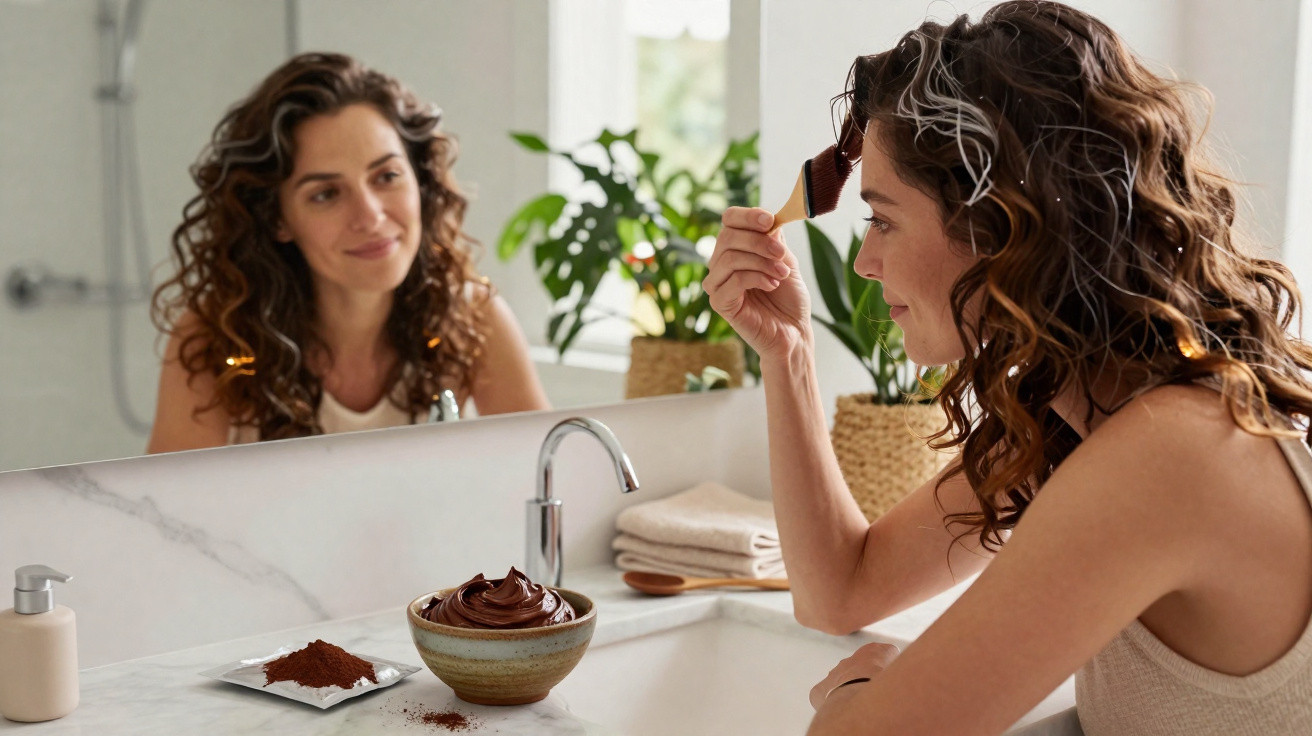
Interest in natural ways to darken hair and disguise grey strands has been rising among people who want to look after their hair without relying on harsh chemical products. Within this trend, a homemade dye with cocoa powder stands out as a straightforward, low-cost option that’s easy to fit into everyday life. It uses familiar cupboard ingredients to build a deeper brown shade slowly and progressively, while also offering the potential to condition the hair.
How does a homemade cocoa powder dye help disguise grey hair?
A homemade cocoa powder dye for grey hair relies on the natural pigments found in cocoa powder, which can lightly cling to the hair fibre. With frequent use, a gentle veil of colour develops over grey strands, nudging them towards a subtle dark brown without dramatically changing the overall look of your hair.
As well as gradual toning, cocoa powder contains antioxidants, vitamins and minerals that may help hair appear stronger and healthier. When combined with a creamy base, it works much like a tinting mask: it offers light coverage for greys alongside hydration and shine, without significantly altering the hair’s structure in the way permanent dyes do.
Which ingredients are usually used in a cocoa powder dye?
Mixes designed to darken grey hair with cocoa powder tend to use items that are easy to find and simple to handle at home. The idea is to make a creamy paste that spreads well, coats the strands, and provides a little extra care-ideal for anyone who wants a practical routine that’s gentler on the scalp.
To make preparation clearer, here are the most common components and what each one mainly does in the mixture:
- Cocoa powder: provides the dark brown tone thanks to the natural pigments present in the cocoa fruit.
- Creamy base (conditioner or natural yoghurt): makes application easier, improves spreadability, and boosts hair hydration.
- Honey (optional): adds softness, helps retain moisture, and leaves hair feeling more supple.
- Warm water: fine-tunes the texture until you get a firm paste that won’t drip easily during the processing time.
How to apply cocoa to hair to darken grey strands
For the best effect, it’s usually advised to apply this natural cocoa dye on clean hair that has only been washed with shampoo. This helps remove product build-up, excess oil and pollution, slightly lifts the cuticle, and supports pigment adhesion-especially in areas with a higher concentration of grey hair.
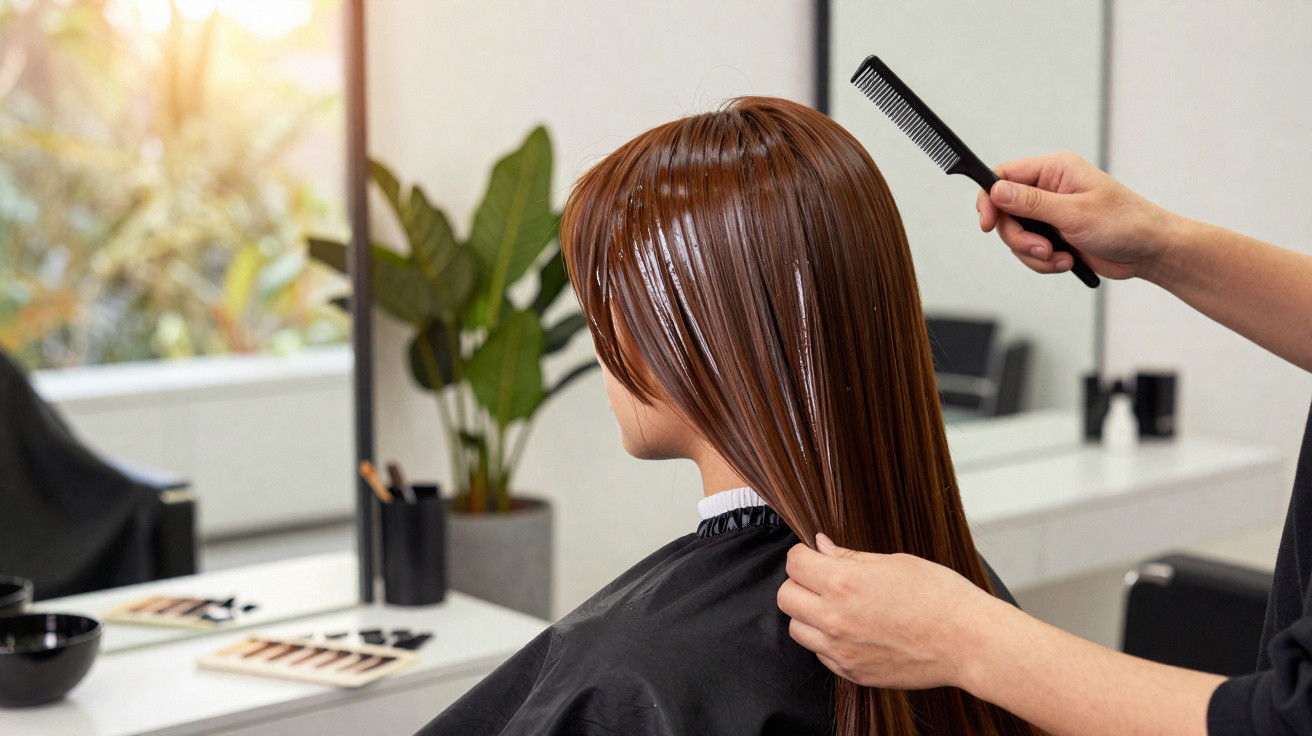
Apply it like a mask: work the mixture through damp hair section by section, focusing particularly on lighter areas such as the front and sides. Typically, it’s left on for 30 to 45 minutes, ideally under a plastic cap to keep moisture in and enhance the action. Then rinse with water only. If needed, follow with a light conditioner to help with detangling.
What results to expect and which precautions matter
The effect of a natural dye for grey hair made with cocoa is gradual and tends to appear with repeated use over several weeks. Using it two to three times a week often makes grey strands less noticeable and the hair look more even, although very light or fully white hair may take longer to reach a clearly visible brown.
It’s important to keep expectations realistic and pay attention to possible sensitivities. Testing on a small section of hair and on a small area of skin (a patch test) can help identify any reaction to cocoa or to other ingredients such as honey or certain conditioners. Because this isn’t a permanent dye and contains no oxidising agents, the colour fades little by little with washing, so ongoing maintenance is needed to keep the soft tone and the cared-for finish. If you experience scalp irritation, intense itching, or persistent redness, stop using it and, if necessary, seek guidance from a healthcare professional or dermatologist.
Comments
No comments yet. Be the first to comment!
Leave a Comment