
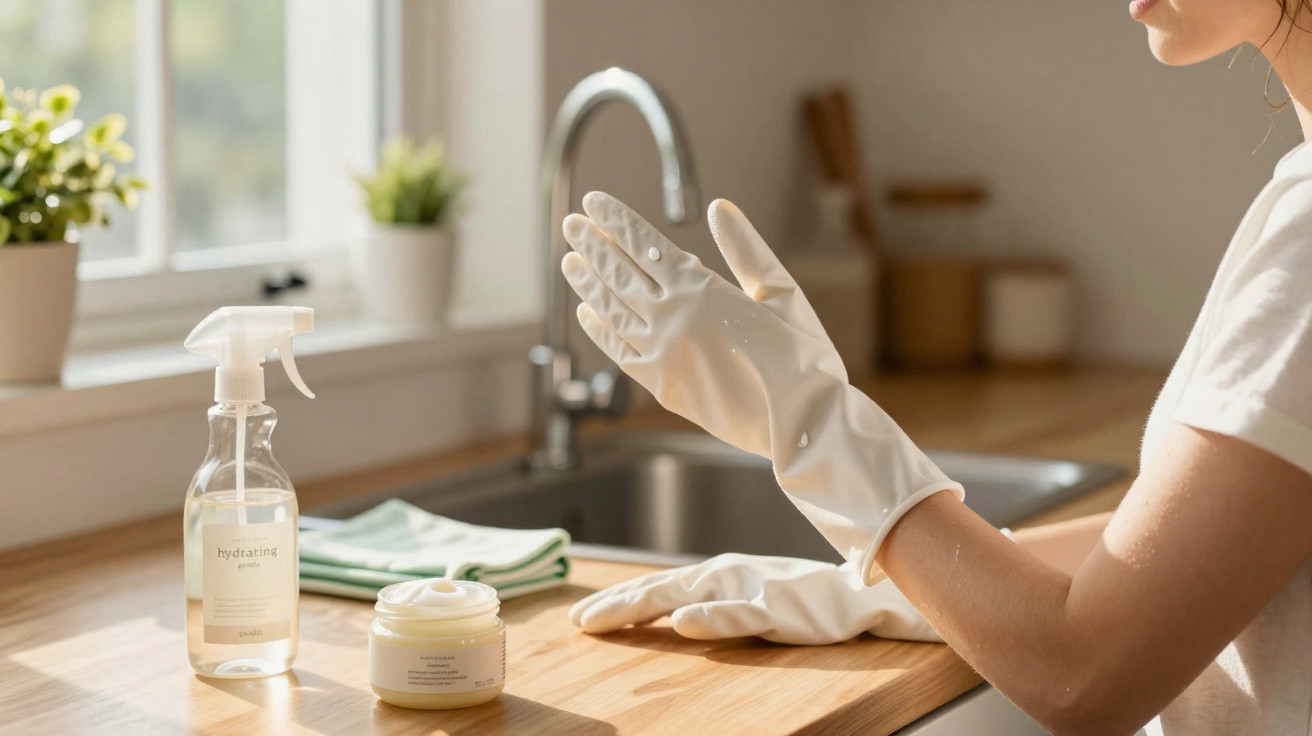
Keeping on top of day-to-day house cleaning often takes a lot of effort and brings frequent contact with substances that are harsh on our skin. For that reason, following a smarter routine is key to protecting your physical comfort and preventing the painful dryness that can seriously affect our hands.
How does the Swedish technique protect hands during cleaning?
A well-known tip associated with Sweden recommends wearing thin gloves made entirely from cotton underneath standard rubber gloves. This straightforward habit creates a physical barrier that helps limit excessive sweat and dramatically cuts down the unpleasant friction.
When you do household jobs wearing only typical waterproof gloves, moisture builds up inside and can weaken delicate skin. Cotton fabric soaks up this unwanted perspiration, helping to keep the area in better condition and reducing the chance of future flare-ups of highly irritating eczema.
What happens if you apply moisturiser before bed?
Using targeted creams before sleep can help repair very dry skin on your hands in just a… Read more
What are the dangers of cleaning products for the skin?
Everyday soaps and chemical cleaning agents work by stripping away the skin’s natural protective oils. Without this biological defence intact, we become far more exposed to the damaging effects of strong detergents that dehydrate the epidermis.
Regular, unprotected contact with hot water speeds up the loss of essential hydration even further. Painful, deep cracks become a genuine risk for anyone who overlooks these basic precautions with hands that are frequently exposed.
Below, watch an explainer video from Dr. Paulo Müller’s YouTube channel detailing the best care practices:
How can you restore a damaged skin barrier?
To properly recover weakened skin, it helps to apply highly humectant creams consistently once cleaning tasks are finished. These specialised products support the rebuilding of the protective lipid barrier, which reduces the evaporation of water from the skin.
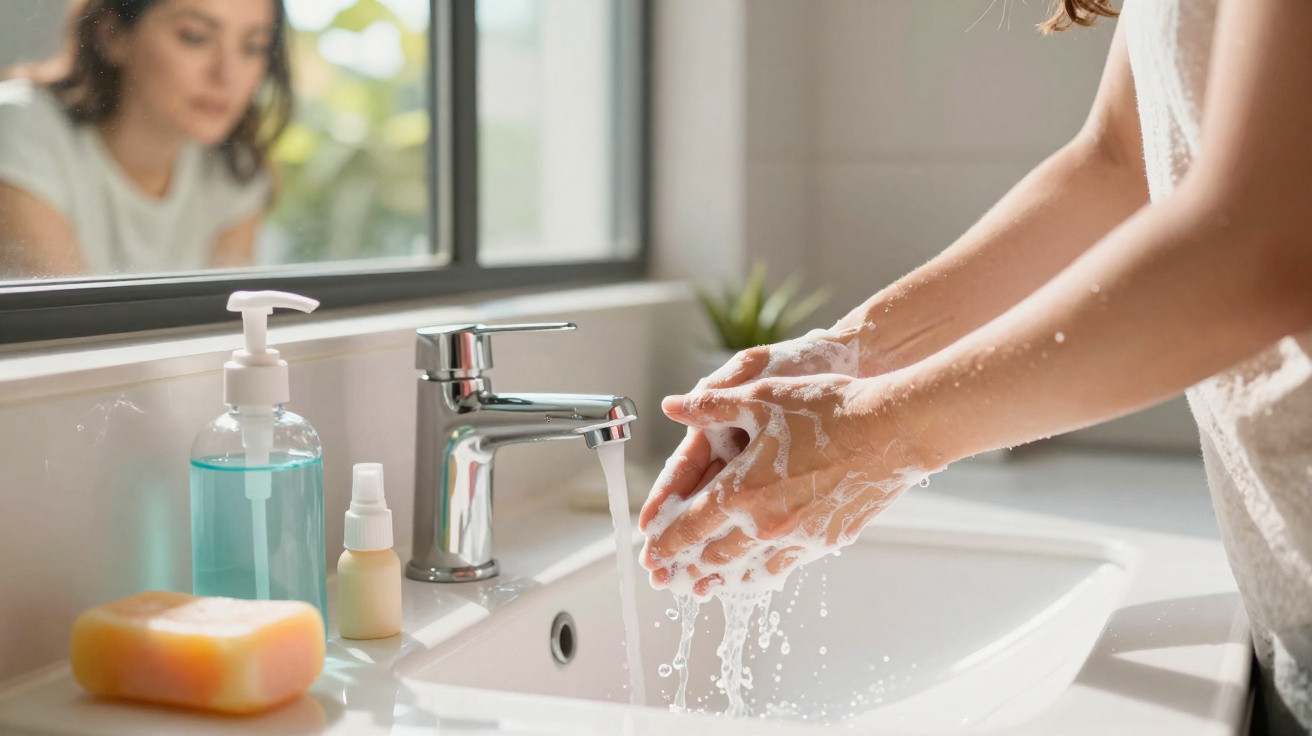
It’s also best to wash with gentle soaps whose pH is compatible with the skin’s natural physiology. Avoiding very hot water as a constant habit likewise helps preserve the natural oils that are vital for dermal integrity and overall health.
Skin Protection Kit
Essentials against dryness
Protect your hands with these three key accessories for a daily household cleaning routine:
- Thin, pure cotton gloves;
- Durable rubber gloves;
- Deep-repair moisturising cream.
Why is cotton the ideal material for protection?
Pure cotton stands out because it is breathable and soft against the body. It helps stop excess perspiration from pooling, removing the damp conditions that can encourage fungal infections and irritation of the skin.
Using common synthetic barriers directly on sore or damaged areas can worsen inflammation due to constant rubbing from rough plastic. Choosing natural cotton fibres is a safer option for restoring everyday comfort for very sensitive hands.
Key benefits of using this natural material in your working day include:
- Efficient absorption of built-up sweat;
- Less direct rubbing against coarse rubber;
- Gentle protection for skin that is already sore.
How do you maintain a long-term care routine?
Building healthier habits takes patience and steady discipline until preventive actions become part of your normal household cleaning routine. Washing cotton gloves regularly is essential to keep the protection hygienic and free from bacteria that can harm your skin’s health.
Keeping a strong moisturiser within easy reach makes it simpler to apply it immediately after completing your planned daily tasks. That way, your hands can stay soft, refreshed, and fully protected against the repeated damage caused by the very aggressive daily cleaning agents.


Comments
No comments yet. Be the first to comment!
Leave a Comment