
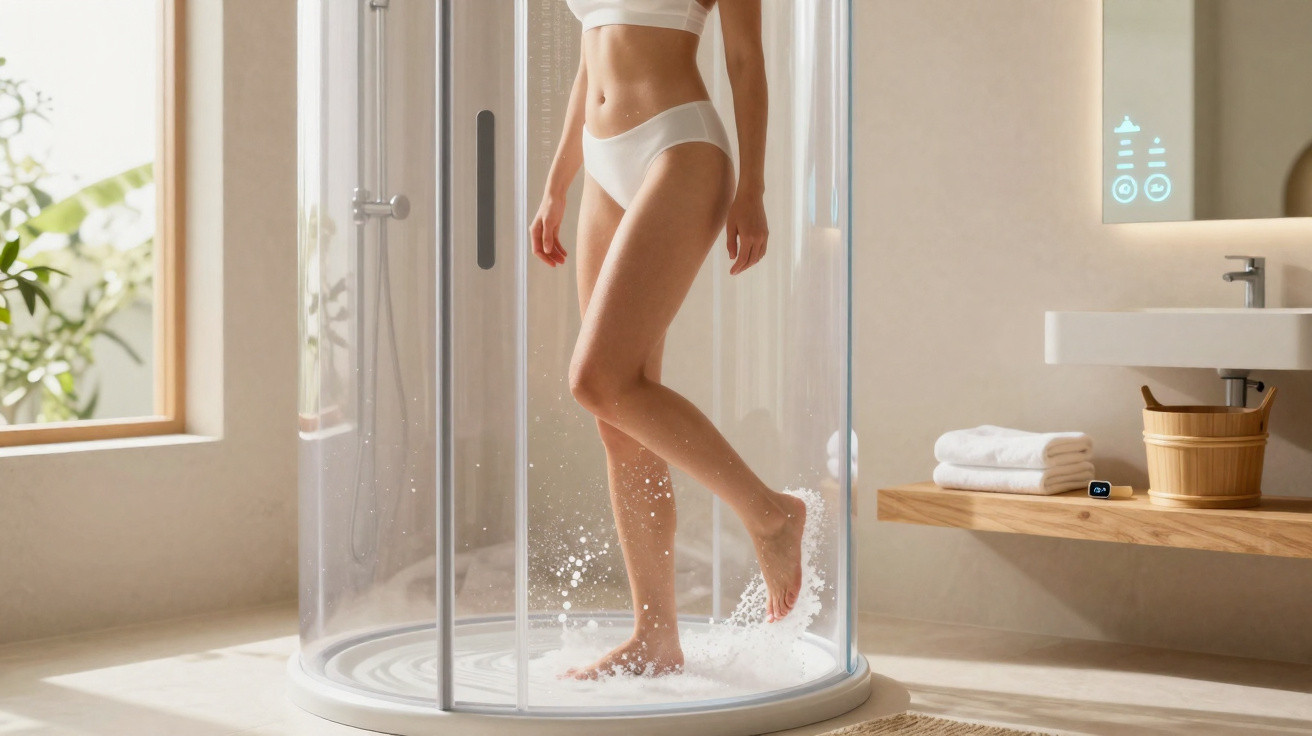
Many people are turning on the tap less often these days - because they are short on time, because they want to reduce their environmental impact, and also because new technology is promising completely different ways to manage personal hygiene. In Japan, a "washing machine for humans" is currently attracting attention: a sealed capsule that runs the entire wash cycle for you.
Why we are showering less in the first place
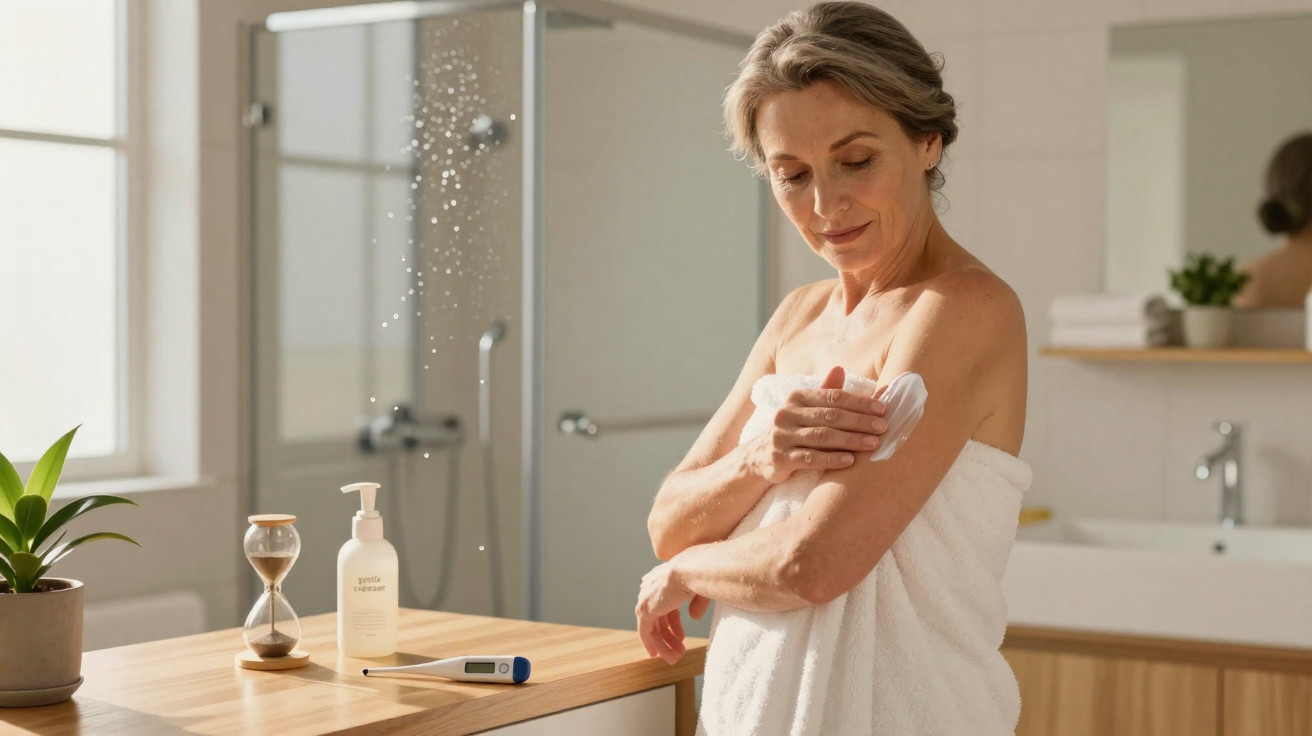
Surveys across Europe and the United States have shown a clear shift over the past few years: a daily shower is no longer seen as non-negotiable. Dermatologists caution against washing too frequently, energy bills have risen, and saving water has long since become a mainstream concern.
- High energy and water costs are making long showers less appealing.
- Skin specialists advise protecting the skin’s natural barrier.
- Working from home and more flexible jobs are changing everyday routines.
- New devices for quick cleansing and wellness are complementing - or replacing - the classic shower.
This is exactly where a development from Osaka comes in: a high-tech capsule that could partly replace the daily shower, or at least reshape it significantly.
The "washing machine for humans" from Japan
The Japanese company Science Co. is developing a system called "Mirai Ningen Sentakuki" - roughly, a "washing machine for the human of the future". It is a closed capsule you sit inside, a bit like an oversized massage chair or a mini sauna.
Once you are in, the wash cycle begins fully automatically. The capsule fills with water and activates a system of millions of tiny microbubbles designed to clean the body without you needing to lather up or scrub.
"The developers promise a complete washing and drying process in around 15 minutes - without any effort on your part, tailored to your individual physical condition."
How the microbubble technology works
Microbubbles are already used in certain wellness treatments. They are so small that they can enter skin pores and loosen dirt particles. That means far less mechanical friction is needed - in other words, less rubbing and brushing.
Inside the capsule, this principle is taken further:
- ultra-fine bubbles are intended to cleanse the skin gently
- the water temperature is adjusted automatically
- the pressure and direction of the flow can be varied
The aim is thorough cleansing without constantly exposing skin and mucous membranes to harsh cleansing agents.
The bathroom becomes a health monitoring station
The machine is meant to do more than wash; it is also designed to collect data at the same time. Numerous sensors inside the capsule record physical metrics - such as heart rate. In the longer term, measurements could also include pulse variability, blood flow to the skin, or signs of stress.
Built-in AI analyses this information in real time and adjusts the wash cycle accordingly. If someone is stressed, the system would provide warmer water, gentler flow, calmer lighting, perhaps quieter sounds. If a person appears more fatigued, it could switch to a slightly more invigorating mode.
"What fitness bands and smartwatches do today could tomorrow happen incidentally while washing - the shower becomes a health hub."
Personalised wellness instead of a standard shower head
According to the developers, the machine can control parameters such as the following:
| Parameter | What gets adjusted? |
|---|---|
| Water temperature | Warmer for tension, cooler for exhaustion or a feeling of overheating |
| Water-jet pressure | Stronger for invigoration, gentler for relaxation |
| Lighting mood | Dim, warm light or brighter, energising tones |
| Soundscape | For example, ocean sounds, nature audio, or relaxing music |
The experience is intended to feel more like a spa visit than a dull, obligatory pre-work shower.
Old idea, new technology: roots in the 1970s
The concept itself is not entirely new. A kind of "bathing automat" was presented as a vision of the future at Expo in Osaka in the 1970s. Back then, however, the technology was far behind what is possible today: powerful sensors, computing capacity and AI were missing.
Now the idea is returning - but with completely different capabilities. Computing power has become tiny, sensors are inexpensive, and the health industry is investing heavily in digital data. That combination could make an old future-dream suddenly achievable.
Will the capsule replace the daily shower?
Whether such cabins will ever become standard in ordinary homes remains uncertain. For now, the system is better suited to hotels, wellness venues, care homes or hospitals. People with limited mobility, in particular, could benefit from an automated wash cycle that works without much physical effort.
Initially, realistic use cases include:
- premium hotel suites offering guests a "future bathroom"
- first-class airport lounges where travellers can freshen up completely in 15 minutes
- rehabilitation centres and care facilities, where patients no longer need to be laboriously lifted into bathtubs
At home, such systems could still replace certain showers - for example, when the goal is simply a quick clean after sport or a relaxing evening ritual.
How hygienic is it really?
The developers’ ambition is high: absolute cleanliness in a short time. Whether that holds up in practice depends on several factors - including capsule maintenance, filter quality, and how residual moisture is handled inside the system. Hygiene becomes especially critical where the capsule is shared.
Dermatologists also emphasise that "clean" does not mean stripping away every natural oil on the skin. Microbubble technology could even be an advantage here, because it may require fewer aggressive surfactants. How effectively it removes sweat, bacteria and odours in day-to-day life, however, will only be shown by independent testing.
Less showering, more smart care: what does that mean for us?
If the move towards less frequent showering continues, the search for alternatives becomes more important. Alongside dry shampoo, washcloths or quick sink washes, high-tech solutions are now appearing that bundle multiple functions: cleansing, relaxation and health monitoring.
Even if you shower less often in the traditional way, a thoughtful care routine can still work well:
- Targeted cleansing of the body areas that take the most strain on "no-shower" days.
- Gentle products that do not compromise the skin barrier.
- Careful choice of sportswear and everyday clothing that regulates sweat more effectively.
- Occasional wellness sessions - in the sauna, at a spa, or perhaps one day in a capsule like this.
Risks, limitations and open questions
As futuristic as it sounds, several issues remain unresolved. Handling sensitive health data in the bathroom places major demands on privacy and IT security. Who stores the data, who can access it, and can it be linked with other profiles - such as health insurer apps?
There are also practical questions: how loud is such a machine? How much electricity does it use? Can it be installed in a typical home without rebuilding the entire bathroom? Answers to these points will help determine whether the vision becomes a mass-market product or remains a novelty for high-tech hotels.
What does seem likely to persist is the trend away from conventional daily showers. Between rising costs, environmental concerns and new technical possibilities, a different approach to personal care is gradually taking shape: less frequent and more deliberate, but far more personalised - and perhaps, one day, genuinely inside your own "washing machine for humans".

Comments
No comments yet. Be the first to comment!
Leave a Comment