
In a nutshell
- Cardiff’s wind and fine drizzle can wear down the skin barrier. Prioritise a humectant + emollient + occlusive “sandwich”, switch heavier occlusives for daytime-friendly ceramide creams, and seal it in with SPF 30+.
- City pollution can aggravate acne and rosacea. Stick to a gentle double cleanse, add niacinamide and antioxidants, and try azelaic acid at night for redness and rough texture without the harsh feel.
- Weather swings and radiator heat pull moisture from skin. Keep showers lukewarm, cleanse sparingly in soft water, moisturise within three minutes, and “buffer” actives-then spot-seal dry areas with occlusives.
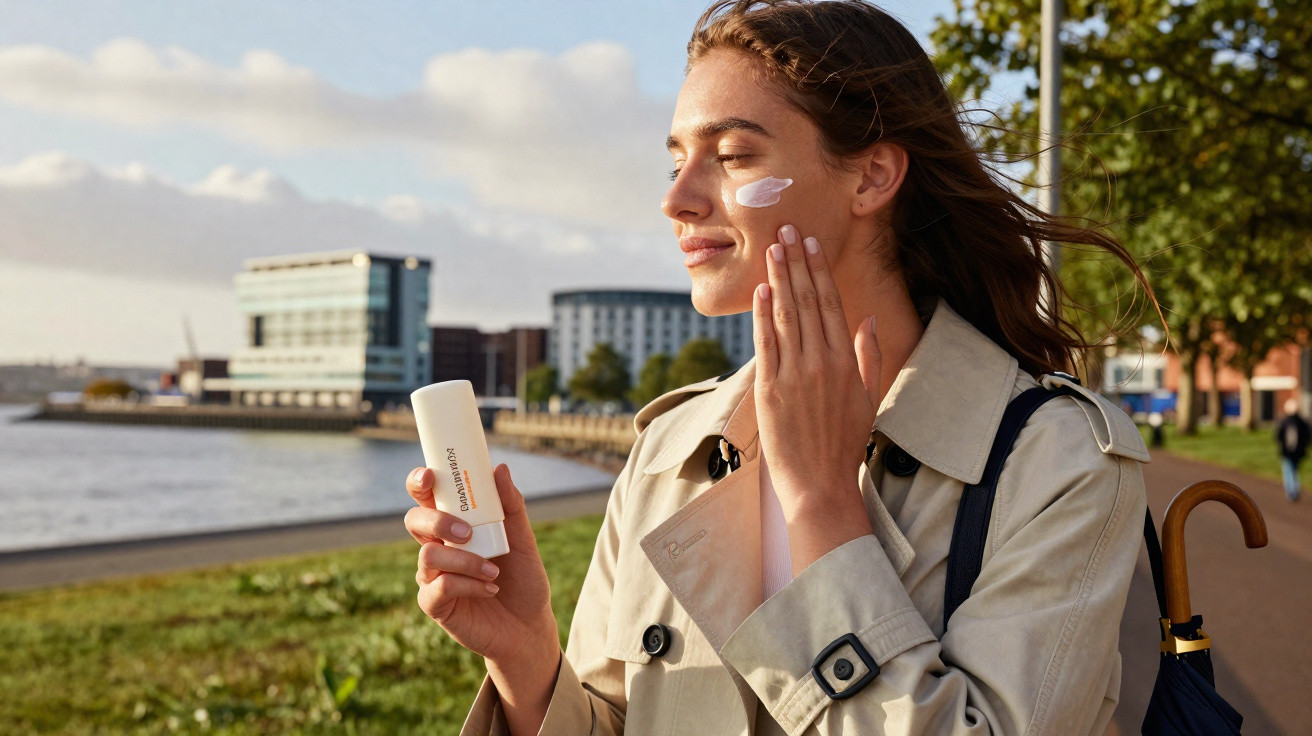
- Even under grey skies, UVA still gets through. Wear SPF 30+ daily, choose mineral or tinted options with iron oxides for pigmentation, and top up with sticks or powders to cope with rain and scarves.
- A workable Cardiff kit: a thermal mist, ceramide cream, lip SPF, and a sunscreen stick. Consistency beats perfection-get one generous morning layer right, then lean on UPF accessories when you’re outdoors.
Cardiff’s sea-salty gusts, quick-fire downpours and stop-start commuting create a very particular environment for skin. One day it’s cheeks feeling raw after the Taff Trail; the next it’s clogged pores and breakouts following rush hour along Newport Road. After speaking day in, day out with dermatologists and facialists across South Wales, I’ve pulled together what actually holds up locally-evidence-led, mindful of budgets, and realistic to do. Treat this as a field guide for keeping skin calm, clear and resilient in the Welsh capital. You’ll find barrier-first strategies, cleansing that accounts for pollution, and sun protection that takes our famously overcast skies seriously without cutting corners.
Wind, Rain, and Barrier Damage on the Bay
Around Cardiff Bay-particularly by the barrage-wind can behave like gentle sandpaper on any exposed areas. Chilly blasts strip away surface lipids, while drizzly weather washes out natural moisturising factors; add a cycling commute and transepidermal water loss climbs fast. That combination often shows up as tightness, flaking and easily-triggered redness. The solution isn’t complicated; it’s physics: strengthen the skin barrier using a layered approach-humectant (glycerin or hyaluronic acid), emollient (squalane), then an occlusive finish (petrolatum or shea). Evening is the ideal window, because skin is warmer and ingredients tend to absorb more effectively. Come morning, trade very heavy occlusives for a lighter ceramide moisturiser and apply SPF 30+ so wind and UV don’t undo the overnight repair.
Take Sian, a runner based in Roath. She reduced “windburn” by spraying thermal water after runs, pressing in a ceramide cream, then sealing her cheeks and nose with a pea-sized amount of petrolatum. In two weeks, her flare-ups were half as frequent and foundation stopped catching on dry patches. A couple of cautions matter here. First, don’t over-exfoliate-until your barrier settles, a gentle lactic acid once a week is enough. Second, although water-resistant sunscreens are useful in the rain, steer clear of alcohol-heavy gels if your skin stings. And because scarves and high collars can rub the jaw and neck, pick soft, breathable fabrics to reduce friction dermatitis.
| Cardiff Trigger | What It Does To Skin | Expert Fix |
|---|---|---|
| Bay wind + drizzle | Lipid loss, flaking, stinging | Ceramides + squalane + thin petrolatum seal |
| Post-run chill | Redness, tightness | Thermal mist, barrier cream, SPF 30+ |
| Friction from scarves | Jawline irritation | Breathable fabrics, reduce acids, patch-protect hotspots |
Urban Pollution, Breakouts, and Rosacea Flare-Ups
Traffic through the city centre and along the A48 exposes skin to particulate pollution that clings to sebum and drives oxidative stress-an unhelpful mix for both acne and rosacea. A routine that survives Cardiff starts at night with a gentle double cleanse: begin with a balm or milk, then follow with a low-foam gel using mild surfactants. Harsh scrubs aren’t “deep cleaning”-they’re barrier shredders. Next, apply niacinamide (to steady oil production and soothe redness) plus an antioxidant serum (a vitamin C derivative or resveratrol) to mop up pollution-related free radicals. If you’re prone to rosacea, azelaic acid 10% at night is a Welsh dermatology favourite-supporting smoother texture, less redness and fewer post-blemish marks without the bite of stronger acids.
It also helps to choose sunscreen that cooperates with your skin rather than provoking it. Mineral filters such as zinc oxide are often better tolerated with rosacea, and a green-tinted option can visibly reduce flushing. If acne is the bigger issue, prioritise non-comedogenic labelling and combine SPF with a lightweight hydrator so you don’t trigger rebound oiliness. When symptoms push past over-the-counter help-ongoing papules, eye involvement or a burning sensation-book in with your GP; prescriptions like metronidazole or ivermectin can stop the flare pattern. Pros vs. cons: chemical sunscreens can sit beautifully under makeup but may tingle on compromised skin, while mineral screens are usually calmer yet can leave a cast-tinted versions with iron oxides are the Cardiff compromise.
- Pros: Antioxidants + niacinamide reduce pollutant stress and oiliness.
- Cons: “Detox” scrubs and peel pads daily can intensify redness and breakouts.
Seasonal Shifts, Indoor Heating, and Sensitive Skin
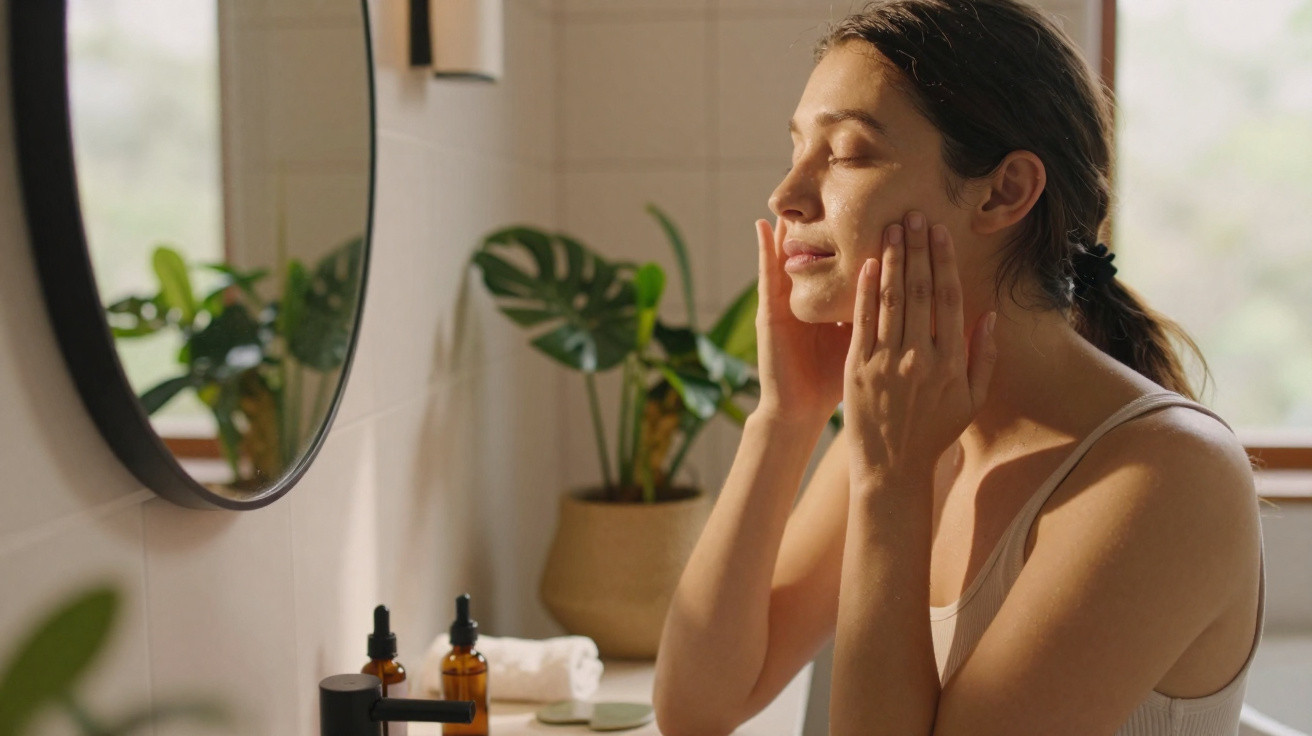
In Cardiff, winter dryness isn’t just about the cold outside-radiators indoors can be brutal. Heating in offices around central Cardiff can drop humidity enough to leave eczema-prone skin itching, cracking and sore. At the same time, the area’s relatively soft water makes cleansers foam quickly, which can encourage over-cleansing and lipid loss. In soft water, cleanser goes further than you think: use one pump, rinse with lukewarm water and pat (don’t rub) dry. Then, within three minutes, apply a cream loaded with ceramides and cholesterol to trap water where it belongs. If your skin is reactive, fragrance-free is non-negotiable; aim for “dermatologist-tested” and shorter ingredient lists. If cold air makes your cheeks sting, try “buffering”: moisturiser first, then your active-so you keep the benefit while reducing intensity.
Before using anything new on your face, especially retinoids, patch test on the inner forearm for 48 hours. Retinoids in particular often need scaling back in winter: if you’re using them nightly, switch to three evenings a week and sandwich with a bland moisturiser to limit peeling. Common eczema hotspots (around the mouth or beneath the nose) can improve with short stints of bland occlusives; if you notice weeping, persistent scaling or cracks that won’t resolve, NHS Wales routes via your GP are there to help. Hot showers aren’t a “treat” for the barrier: higher temperatures dissolve protective lipids faster and leave you tighter after washing. Keep showers and baths brief-under 10 minutes-and finish by applying a thicker occlusive balm over any problem areas.
- Evening routine: gentle cleanse → niacinamide or azelaic acid → ceramide cream → petrolatum on hotspots.
- Weekends: skip actives once to “reset” the barrier.
- At desk: apply a droplet of squalane midday to cheekbones to stop radiator dry-out.
Smart Sun Protection on Cloudy Welsh Days
Cloud cover doesn’t block everything: UVA-the “ageing” rays-passes through both clouds and glass. So if you commute beside windows or cycle near the Bay, the exposure still adds up over time. Daily broad-spectrum *SPF 30+** is a year-round essential, not a summer-only extra.* Pick a finish you’ll stick with: gel-cream can suit oilier T-zones, while a richer cream can be more comfortable on wind-dried skin. For hyperpigmentation or melasma (often seen after acne and during pregnancy), choose a tinted mineral sunscreen with iron oxides, which can also help protect against visible light that worsens brown patches-particularly on medium to deep skin tones. For blustery walks, UPF hats and clear wraparound glasses add low-effort coverage without feeling fussy.
In real life, reapplication is where Cardiff trips people up. Rain, scarves and helmets physically rub sunscreen away. Keep a travel tube or a sunscreen stick to recoat cheekbones and the nose; if you wear makeup, an SPF powder works well for top-ups on buses or in lifts without disturbing your base. Remember lips and ears too-side winds leave them exposed. Pros vs. cons: untinted mineral sunscreens are generally low-irritant but can look chalky in photos; tinted versions blend more naturally and support pigmentation control, though they may mark very light scarves. In the end, consistency beats perfection: if you can’t manage three top-ups a day, focus on one generous morning layer and add UPF clothing when you’ll be outside for longer.
- Tinted vs. Untinted: Tinted improves tone and visible-light defence; untinted suits minimalists but may leave a cast.
- Why “High SPF” Isn’t Always Better: SPF 50 helps, but thin application under-protects; a well-applied SPF 30+ outperforms a skimpy 50.
Cardiff’s climate tends to reward steady, barrier-first routines paired with sensible pollution steps and reliable sun protection. Start with the non-negotiables-gentle cleansing, generous hydration and daily protection-then add targeted actives only where they’re genuinely needed. Keep a rain-proof mini kit in your bag: lip SPF, a small ceramide cream and a sunscreen stick. If you’ve managed to calm windburn or rosacea using a Cardiff-specific change-ceramides, azelaic acid, or tinted SPF 30+-what had the biggest impact for you, and what would you like local experts to test next in real-world Bay weather?


Comments
No comments yet. Be the first to comment!
Leave a Comment