
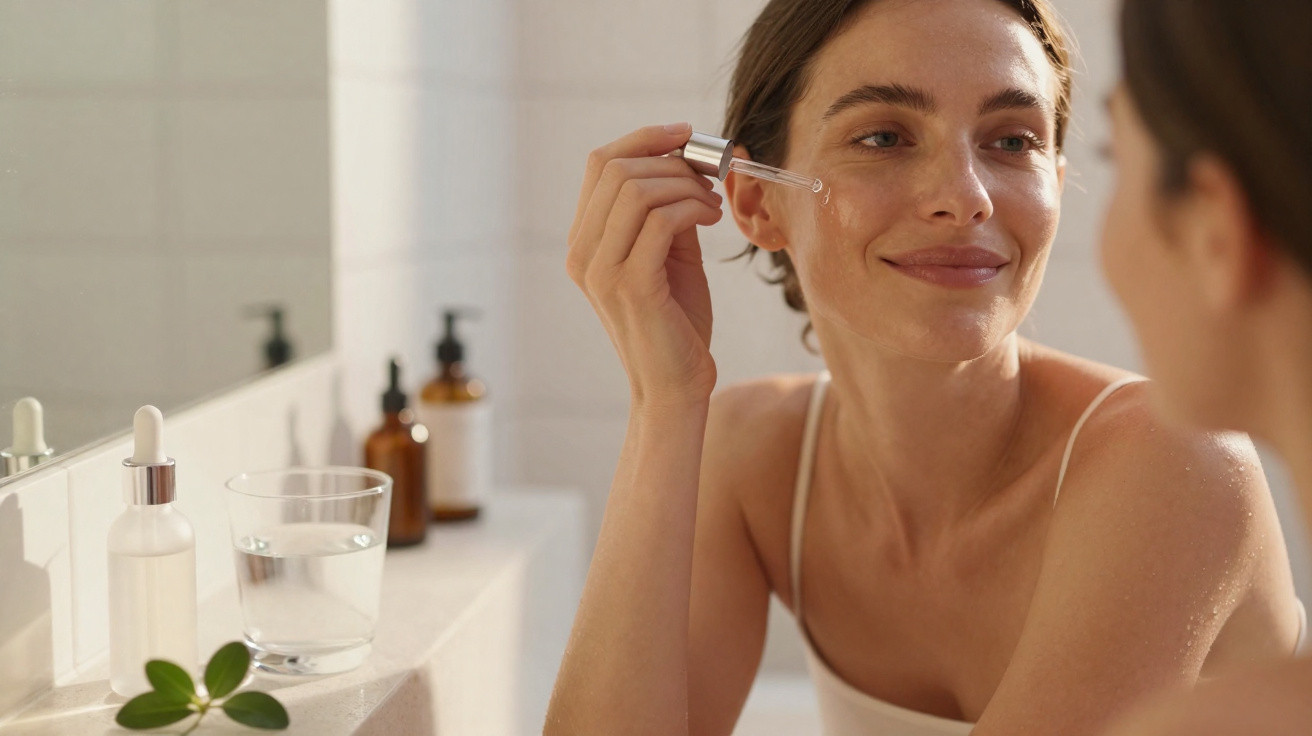
With shelves crammed with options, big claims everywhere and plenty of pricey disappointments, choosing a serum can feel like a gamble. La Roche-Posay’s Hyalu B5 Serum is currently being talked about because it promotes visible results in a short time using four different types of hyaluronic acid. So what’s really going on here - and who will genuinely benefit from reaching for the dropper?
How Hyalu B5 Serum tackles skin layer by layer
La Roche-Posay presents Hyalu B5 Serum as more than a standard anti-ageing product. The concept is to do more than smooth the surface: it aims to support several levels of the skin at once, combining four forms of hyaluronic acid with vitamin B5.
Hyaluronic acid is produced naturally by the body. It holds on to water like a sponge, helping skin look plumper, more elastic and smoother. As we get older, the skin’s own production drops, moisture escapes more easily and fine lines become easier to see.
This is exactly where the serum is designed to step in, splitting the job across different hyaluronic acid types:
- High-molecular-weight hyaluronic acid: tends to stay nearer the surface, forming a light film that supports the protective barrier and helps reduce moisture loss.
- Medium-molecular-weight hyaluronic acid: used alongside vitamin B5 and partly encapsulated to help support skin regeneration.
- Low-molecular-weight and micro-fine hyaluronic acid: intended to penetrate further into the upper skin layers, restore a sense of volume and visibly fill lines from within.
On top of that, there is a stimulating active complex that is meant to encourage the skin to produce more of its own hyaluronic acid while also slowing its breakdown.
"The idea: not only to supply moisture from the outside, but to support the skin’s natural hyaluronic balance over the long term."
What results users can realistically expect
The key question is what you can actually see - and how quickly. Based on the brand’s information and the studies referenced, the timeline looks like this:
- After about 1 hour: skin appears more plumped and refreshed.
- After around 14 days: early fine lines start to look visibly smoother.
- After roughly 1 month: deeper-looking wrinkles appear softened and the overall look is more even.
These claims are based on instrumental measurements and clinical testing across several groups of participants (24, 40 and 85 people). These are not huge studies, but they are typical sample sizes for cosmetic testing. The findings suggest the texture isn’t only a short-term “plumping” effect - with consistent use, it can influence perceived wrinkle depth and overall smoothness.
Right after application, many users describe a mild tightening sensation: the skin feels smoother, firmer and slightly “lifted”. That instant effect is largely down to the hyaluronic film on the surface, which binds water and gives a gentle tightening feel.
Which skin types this serum is suitable for
A major advantage is that the product is positioned as suitable for all skin types - including sensitive skin and all phototypes, from very fair to very deep skin tones. People with easily irritated skin are often cautious with anti-ageing products, as strong acids or fragrance can trigger discomfort.
La Roche-Posay frames the serum as something reactive skin should also tolerate. Vitamin B5 (panthenol) is known for its soothing properties and for supporting the skin’s repair processes. That makes it a potential fit for anyone who wants to address first lines without committing to harsher retinol routines or acid-heavy treatments.
"If you have sensitive skin but still want to target fine lines, this is a gentler, moisture-led approach."
Why this hyaluronic serum is attracting so much attention
The current wave of interest in hyaluronic serums is huge, and plenty of products sound similar on paper. Hyalu B5 Serum stands out mainly for two reasons: it combines multiple forms of hyaluronic acid and it clearly sets out to tackle several concerns at the same time.
The main targets are:
- dry, dehydrated skin
- early and more established fine lines
- loss of firmness
- a tired, less radiant complexion
Rather than pushing a separate product for each concern, La Roche-Posay bundles everything into one serum. That can streamline a routine and make daily use more straightforward: one product, a few drops, morning and/or evening.
The texture is also a selling point. It’s lightweight, absorbs quickly and doesn’t leave a greasy residue. That matters under make-up: foundation or tinted moisturiser is less likely to settle into lines, and skin can look smoother and more even.
Price, positioning and who it’s worth it for
At around €41 (depending on the retailer), the serum sits in the mid-range. It costs more than many high-street drugstore options, but less than a lot of luxury skincare sold at beauty counters. The price is intended to reflect the more complex active blend and the research behind it.
If your goal is purely a quick make-up-friendly boost, there are cheaper hydrating products that can do a similar short-term job. For people who want to:
- reduce the look of early or existing wrinkles over the long term,
- support and strengthen the skin barrier,
- while also dealing with sensitive skin,
this serum could be a compelling option. It doesn’t promise a dramatic overnight change; instead, it leans on gradual improvements that build over time.
"The message is: fewer miracles, more consistency - and visible change over weeks rather than hours."
How to use Hyalu B5 Serum properly
Fitting it into your daily routine
The steps are intentionally simple so it can slot into almost any skincare routine:
- Cleanse the face gently and pat dry.
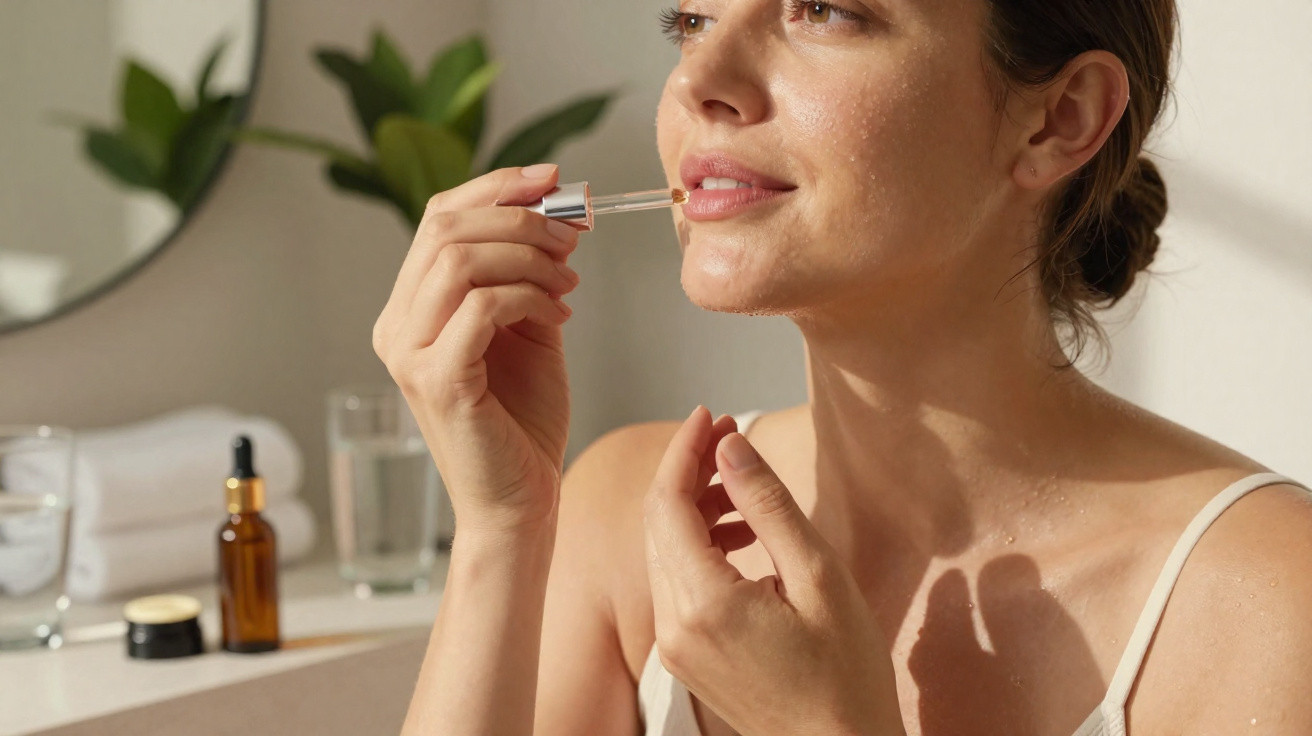
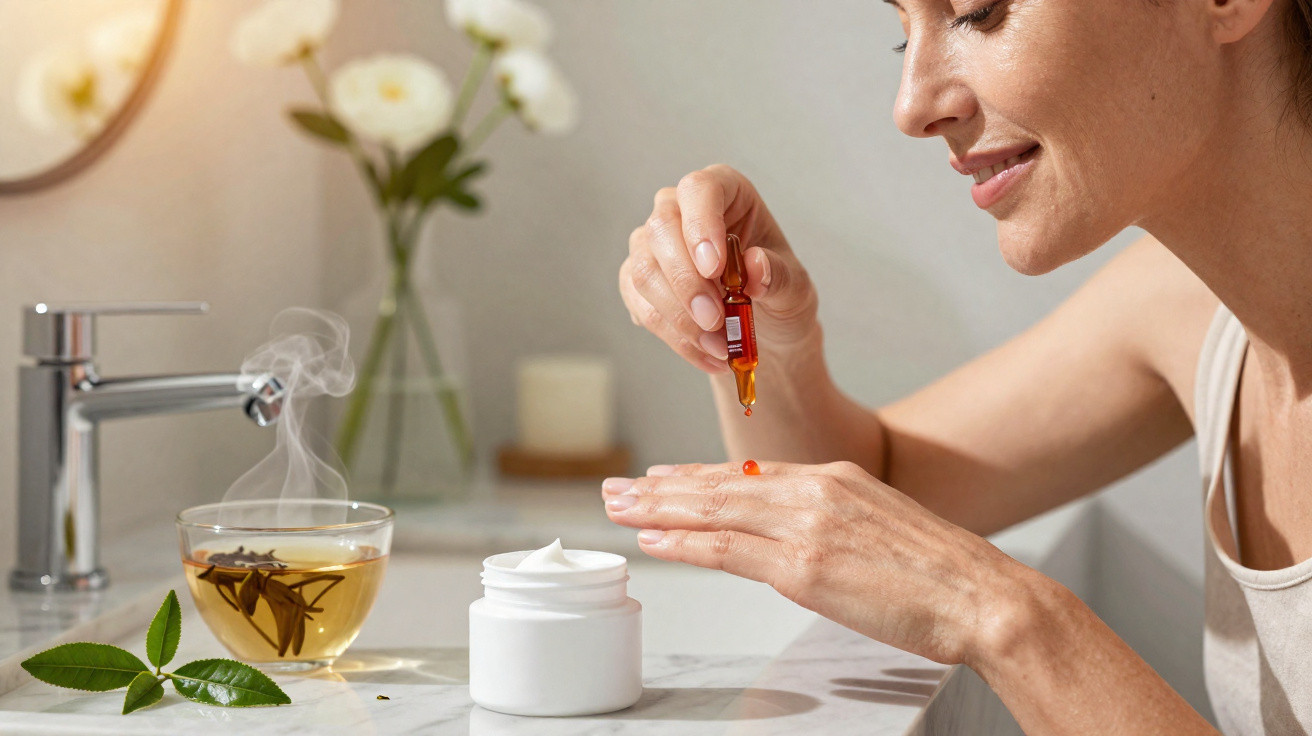
- Dispense 2–3 drops of serum into your hand.
- Press gently into the face, neck and décolletage - avoid rubbing; light pressing works better.
- Follow with a suitable moisturiser to support the effect.
You can use it in the morning, the evening, or both. In the morning it works well under sunscreen and make-up; in the evening it can support the skin’s overnight recovery phase.
What pairs well - and what doesn’t
Hyaluronic acid is generally considered very well tolerated and tends to layer well with most other skincare ingredients. If you already use retinol, niacinamide or gentle fruit acids (AHAs), you can usually add this serum without issues. Retinol in particular can leave skin feeling dry, so a strong hydration step can be especially helpful.
Sunscreen still matters: extra moisture and a plumper look can make skin appear fresher, but they don’t protect against UV damage. If you use an anti-ageing serum during the day, applying a high SPF on top is essential to help prevent new sun-related lines forming.
Hyaluronic acid, wrinkles and dehydration - what’s really behind it
Many people confuse dry skin with wrinkles, even though they develop in different ways. Dehydration often creates fine, surface-level lines that can look reduced after a strong hydration boost. True wrinkles sit deeper and relate to structural changes in the connective tissue.
Hyalu B5 Serum is designed to address both. High-molecular-weight hyaluronic acid primarily targets dehydration lines at the surface, while smaller molecules are intended to reach deeper-looking structures. A pronounced wrinkle cannot be completely smoothed without medical interventions, but it may look noticeably softer and less defined.
One more detail: hyaluronic acid binds water. If you live in very dry indoor air and don’t use any additional skincare, the effect can fade quickly. The serum tends to perform best as part of a considered routine - cleansing that doesn’t strip the skin, plus a moisturiser that helps keep hydration in.
What’s also interesting is how brands like La Roche-Posay are shifting away from pure “wrinkle erasers” and focusing more on the overall look: plumper skin, a stronger barrier, less tightness and more glow. For many users, that broader improvement matters more than measuring the exact depth of a forehead line in a magnifying mirror.

Comments
No comments yet. Be the first to comment!
Leave a Comment