
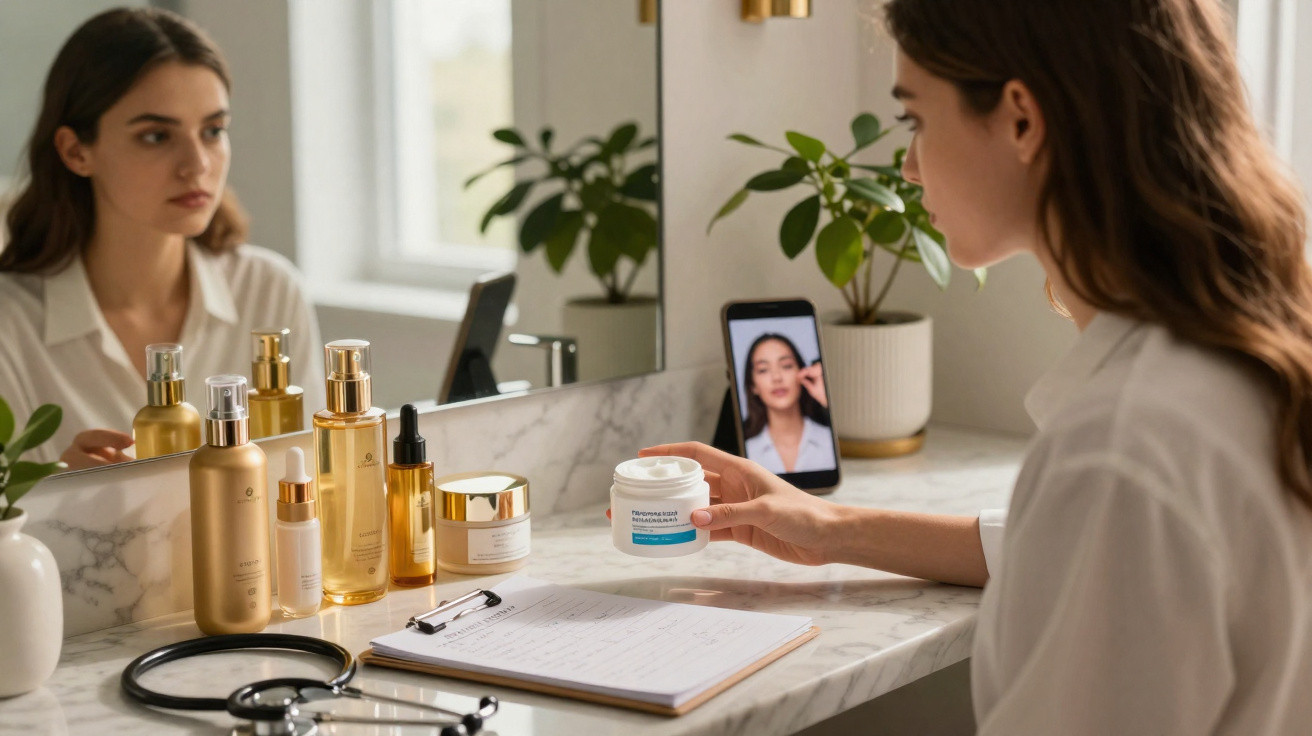
Not the glossy, “clinical” pots arranged behind glass. Not the serum priced like a weekend break. Just an ordinary, slightly dull tub of cream with a price tag that’s lower than a coffee.
Beside her, a young woman scrolls TikTok, landing on yet another “miracle” moisturiser-all chrome packaging and blown-out selfies. The algorithm promises glass skin. The dermatologist only shakes her head and reaches for the cheap tub.
“This,” she says, “is what actually works.”
The influencer on the screen beams through filters. The old-school cream doesn’t. It simply gets on with the job.
The cheap cream dermatologists won’t shut up about
Dermatologists across the US and Europe keep circling back to the same slightly uncomfortable truth: the moisturiser they rely on most is often the one with the worst-looking packaging. No pump. No dreamy fragrance name. Just a chunky tub that looks like it was designed in 1994-and never bothered to change.
Ask quietly, and many of them mention the same familiar names: CeraVe Moisturizing Cream, Eucerin Advanced Repair, plain Vanicream, classic Nivea in the blue tin, and even basic pharmacy generics. No glow filter. No celebrity face. Just ceramides, glycerin, petrolatum, and maybe a touch of hyaluronic acid if it’s feeling fancy.
On the label, it reads like a yawn. On your face, it can be a different outcome entirely.
A dermatologist in New York told me she can identify a “luxury routine” from the waiting room: skin that’s red, reactive, oddly shiny, yet somehow dehydrated. Patients walk in with a bag of beautiful bottles and complicated actives. Plenty of them also arrive with a damaged barrier and irritation that won’t settle.
She jokes that her power move is to recommend a $15 tub instead of a $200 jar. “They look offended at first,” she admitted, “like I don’t take their skin seriously. Then they come back three weeks later and their face is calm for the first time in months.”
Online, the same plot repeats in screenshot form. People post “before” pictures: prestige products lined up like a museum display. Then they share a “now” photo with one drugstore tub and skin that looks… normal. Healthier. Less furious. As though their face finally got a chance to relax.
The science behind this quiet shift is irritatingly straightforward. Skin doesn’t care about branding; it responds to lipids, humectants, and occlusives. Most luxury moisturisers rest on the same basic framework: water, glycerin, and a couple of emollients. Cheaper creams often use that same framework, then load in barrier-supporting ingredients like ceramides and cholesterol, or heavy-duty hydrators such as urea.
What you don’t get is the marketing spend. And you often skip the unnecessary fragrance, essential oils, and “exotic” botanical extracts that look impressive in an advert but can overwhelm sensitive skin. When dermatologists say the cheap formulas “beat” luxury, they aren’t judging how good the shelfie looks. They mean fewer reactions, stronger barrier repair, and ingredients your skin can actually tolerate.
There’s a mental component too. When something costs a lot, we expect a dramatic sensation-tingling, tightening, a strong perfume. A basic moisturiser tends to just… sit there and do what it’s meant to do. Quietly. No fireworks. Which may be exactly why influencers were slower to embrace it.
How to use an old-school cream like a pro (and not like your grandma)
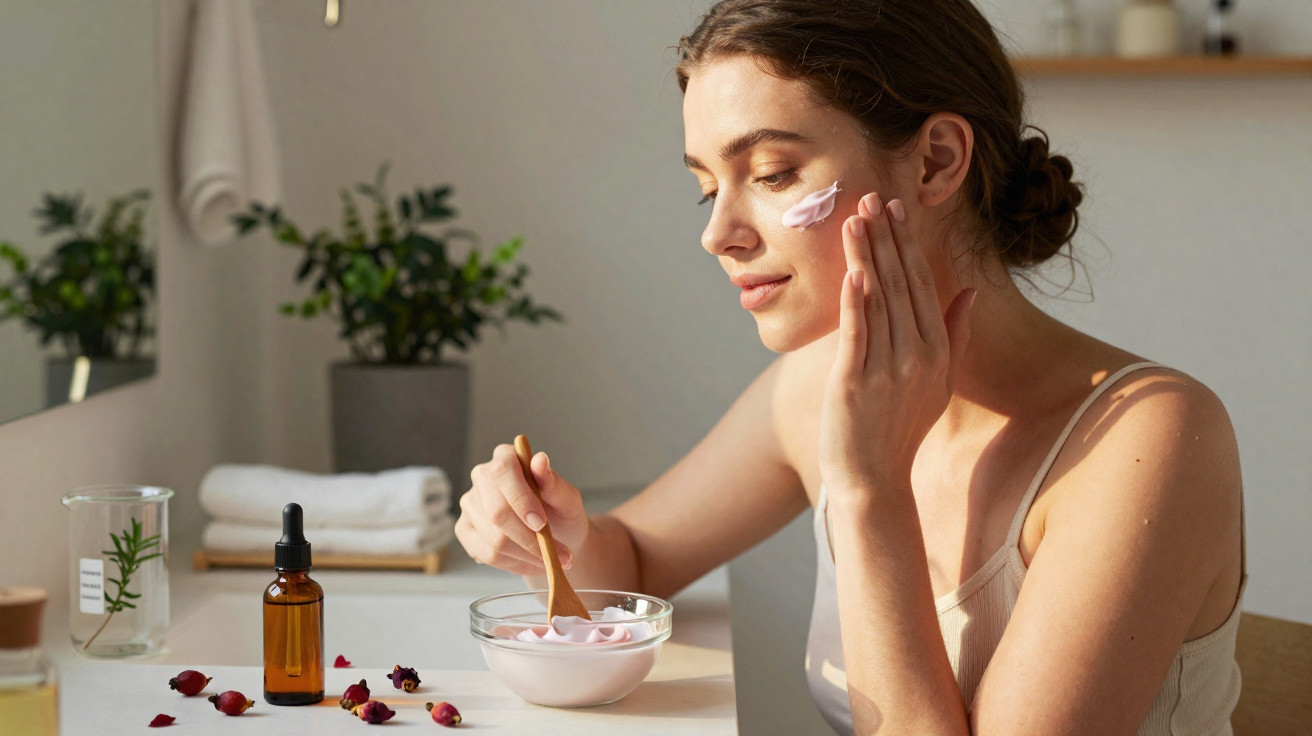
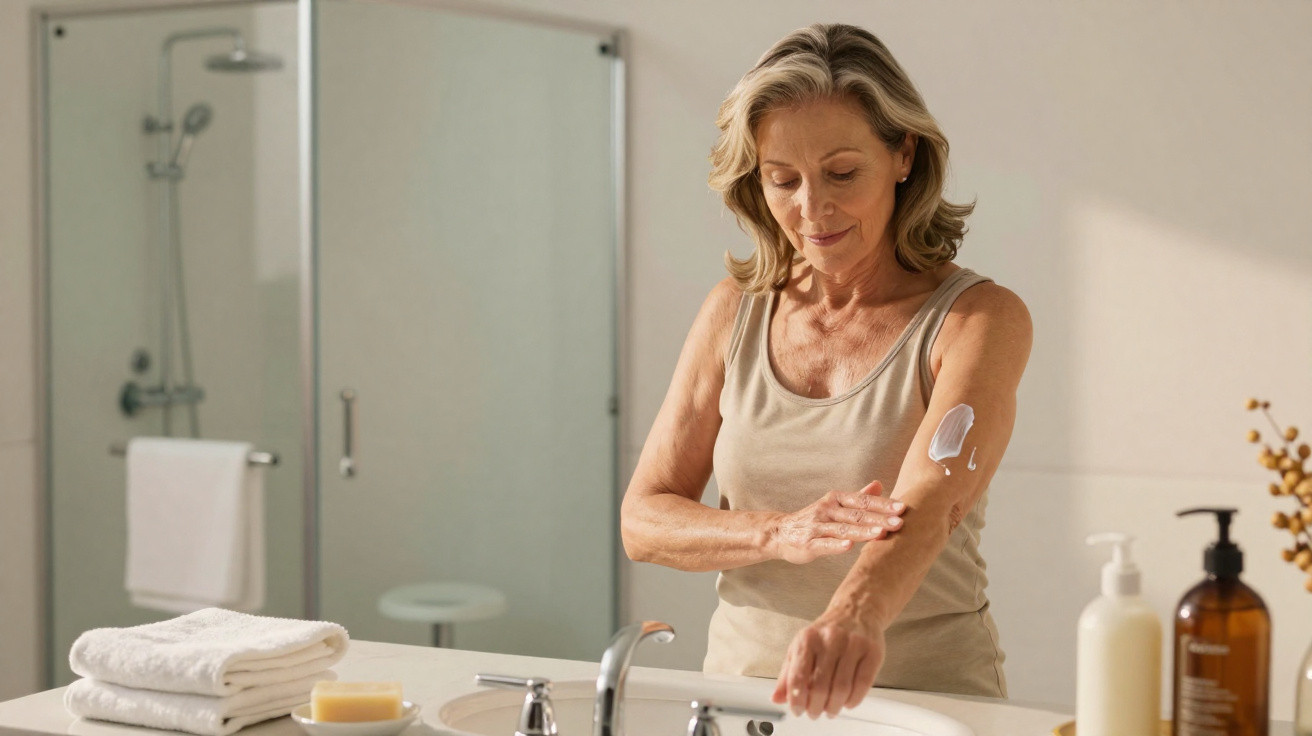
The real trick isn’t only which cream you pick-it’s the way you apply it. Dermatologists almost murmur this bit, because it sounds far too simple for 2026 routines: smooth your affordable moisturiser onto slightly damp skin, within a couple of minutes of cleansing.
That tiny timing change can make a noticeable difference. The water left on the surface gets sealed in under the cream, while humectants like glycerin help hold on to it. Suddenly a no-frills formula behaves more like a high-end hydration step. Many dermatologists also recommend “sandwiching” active ingredients between layers of a basic cream to keep irritation down.
If you use retinol, vitamin C, or acids, apply a thin layer of simple moisturiser first, then your active, then another thin layer of that same cream. It isn’t glamorous. But it can reduce redness, flaking, and that tight, over-exfoliated feeling that looks unforgiving in daylight.
People online love elaborate routines, yet most dermatologists quietly simplify them. Many say their ideal evening set-up for dry or sensitive skin is: gentle cleanser, cheap barrier-friendly moisturiser, done. Maybe one targeted active on a few nights each week.
We’ve all had that moment: standing in the bathroom, staring at six opened serums, trying to remember which one goes first. Let’s be honest: nobody really does that every day. We’ve got jobs, kids, exhaustion, and a phone that’s far more tempting than a 10-step ritual.
The old-school cream covers that reality gap. It’s what you’ll actually use on a Tuesday night at 11:37 p.m., when all you want is sleep. That consistency-not luxury branding-is what quietly changes how your skin behaves over weeks and months.
There’s a money angle that beauty marketing would rather avoid. When a dermatologist swaps three or four serums and a prestige cream for one affordable tub, it undercuts the “haul culture” that fuels influencer views. Fewer unboxings, fewer swatches on the back of the hand, fewer affiliate links. It’s hardly surprising the hype machine isn’t delighted.
“My best results don’t come from the fanciest products,” one London dermatologist told me. “They come when a patient finally lets go of the idea that skincare should look luxurious and starts choosing what their skin actually needs. The dullest cream on the shelf is often the hero of the whole story.”
If you’re trying to steer through the tug-of-war between dermatologists and influencers, a few plain filters can help before you even walk into a shop:
- Look for short, calm ingredient lists with glycerin, ceramides, petrolatum or urea near the top.
- If your skin is reactive, steer clear of strong fragrance or essential oils, even if the packaging is gorgeous.
- Put more money towards sunscreen or targeted actives, and less towards the “basic” cream whose main job is hydration.
The less drama your moisturiser creates, the more room your skin has to repair itself. Boring on the outside, deeply interesting under a microscope.
What this quiet skincare rebellion really says about us
There’s something oddly emotional about seeing an old-school product go viral again. It feels like the internet making a sharp U-turn. After years of chasing serums that promised “glass”, “baby”, and “cloud” skin, people are now uploading pictures of half-used tubs that are, honestly, a bit ugly. And they look genuinely proud.
Some of the anger from influencers isn’t only about lost sales-it’s about losing control of the narrative. If a $12 moisturiser from a supermarket can do what their $180 “must-have” cream does, their authority takes a knock. Skin becomes less about aspiration and more about upkeep. Less about the aesthetic of self-care and more about quietly not being in discomfort.
Readers see themselves in this change. You can hear it in the comments: people admitting they’re exhausted by chasing perfection and simply want skin that doesn’t sting after a shower. They want faces that move, not poreless porcelain beneath three layers of filter. The humble moisturiser starts to feel like a small rebellion against a beauty system that always suggests you’re one product away from being “enough”.
The cheap cream on the pharmacy shelf isn’t magic. It won’t erase decades or rewrite genetics. What it can offer is smaller-and, in its own way, radical: skin that feels comfortable, steady, and unremarkable in the best sense. The kind you stop fixating on so you can get on with your life.
Whether you keep the luxury jar or switch to the old-school tub, the real question is the quiet one you meet in the mirror: do you want products that photograph well, or skin that lives well? That choice-more than algorithms or price tags-is where this story starts to feel genuinely interesting.
| Key point | Details | Why it matters to readers |
|---|---|---|
| Drugstore creams often share the same core ingredients as luxury formulas | Many classic moisturisers use glycerin, ceramides, fatty alcohols and petrolatum in similar concentrations to prestige creams-just without the perfume and premium packaging. | You can get comparable hydration and barrier support without paying a luxury markup, leaving more budget for sunscreen or treatments that genuinely warrant higher spend. |
| Using them on damp skin makes them work harder | Applying a generous layer within 1–2 minutes of cleansing helps trap surface water in the stratum corneum and allows humectants to draw that moisture deeper. | This small habit can turn a simple cream into a high-performance hydrator, especially if your skin feels tight, flaky, or seasonally dehydrated. |
| They’re ideal for buffering strong actives | Dermatologists often “sandwich” retinoids, vitamin C or exfoliating acids between layers of a bland moisturiser to reduce stinging and limit barrier damage. | If you’ve abandoned actives because they burn, pairing them with an old-school cream can make powerful ingredients tolerable-and sustainable over the long term. |
FAQ
- Are cheap moisturizers really as effective as expensive ones? For basic tasks like hydrating and protecting your skin barrier, many affordable creams perform just as well as luxury options. The formulas rely on the same families of ingredients, and dermatologists often reach for these budget products in their own routines because they’re predictable and low-irritant.
- Won’t a richer drugstore cream clog my pores? Not automatically. Look for labels that say “non-comedogenic” and avoid very heavy balms if you’re extremely acne-prone. Many pharmacy creams are tested on sensitive and breakout-prone skin, and using them on slightly damp skin in a thin layer can give comfort without a greasy film.
- Can I replace my entire skincare routine with just a cheap moisturizer? You still need a gentle cleanser and daily broad-spectrum sunscreen as your basics. A simple moisturizer can replace multiple serums and fancy creams, but it can’t take the role of sun protection or targeted treatments prescribed for issues like acne or rosacea.
- How long should I test a new moisturizer before judging it? Give it at least two to four weeks, unless you have an obvious reaction like burning, intense redness or hives. Skin often needs a little time to calm down from previous irritation, and the benefits of barrier repair build gradually rather than overnight.
- Is fragrance-free always better? For sensitive, reactive or eczema-prone skin, fragrance-free is usually safer. If your skin is resilient, a light scent may be fine, but recurring redness, itching or bumps around the face are signs it’s worth switching to a plainer option and seeing if things settle.
Comments
No comments yet. Be the first to comment!
Leave a Comment