
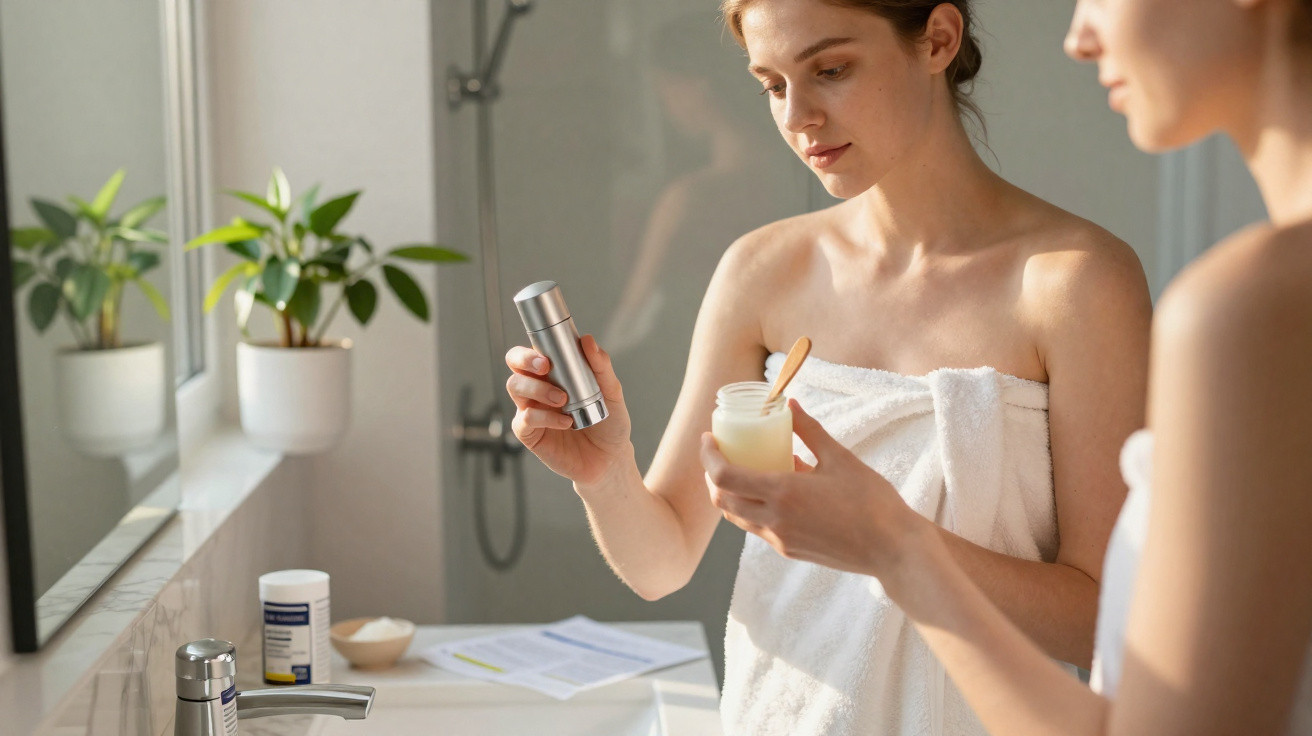
Aluminium in deodorant has been making headlines for years. One moment the metal is framed as a hidden trigger for serious illnesses; the next, authorities judge it to be of little concern. If you spray or roll on deodorant every day, it leaves you with a simple but annoying decision: carry on reassured, or switch completely? Looking calmly at evidence, numbers and alternatives makes it easier to decide without stress.
How aluminium gets into our bodies in the first place
Aluminium is not a rare substance at all-it is everywhere. After oxygen and silicon, it is the third most common element in the Earth’s crust. That is why we come into contact with it so often in everyday life, usually without noticing.
- Food: Cereal products, baked goods, tea, cocoa and certain processed foods contain measurable amounts.
- Packaging: Aluminium foil, ready-meal trays, coffee capsules and drinks cans can transfer metal into food if used in unfavourable ways.
- Cookware: Uncoated aluminium pots and pans can leach more, especially with acidic dishes.
- Cosmetics: Antiperspirant deodorants, some lipsticks, sun protection and whitening toothpastes use aluminium salts as an active ingredient or processing aid.
A healthy body generally copes well with small quantities. Most of the metal is eliminated through the kidneys. A small remainder is stored in places such as the skeleton and can stay there for a long time. It is this slow build-up that concerns specialists when overall intake remains high over the long term.
When aluminium can become genuinely problematic
Aluminium is not a “classic” poison that causes dramatic harm in tiny doses. Risks tend to appear only at higher intakes. Experts point in particular to three areas that can be affected: the kidneys, bones and the nervous system.
“The European Food Safety Authority recommends not taking in more than about one milligram of aluminium per kilogram of body weight per week.”
For someone weighing 70 kilograms, that equates to 70 milligrams per week. This amount is mainly reached through food and drink, not through deodorant. People who already have kidney disease are much more vulnerable because they cannot eliminate the metal as effectively. Anyone in that situation should discuss their aluminium sources specifically with medical professionals.
What antiperspirant deodorants do with aluminium
Conventional deodorants mainly tackle what you can smell: fragrances and antibacterial ingredients are intended to reduce odour, while the amount you sweat stays broadly similar. Antiperspirants work differently-they aim to reduce perspiration itself.
The mechanism is straightforward: aluminium salts react with proteins in the sweat-duct openings and form tiny plugs. These narrow the duct, so less sweat reaches the skin surface. Underarms stay drier and clothing is less likely to show sweat marks.
It is precisely this constant contact between aluminium and sensitive underarm skin that has caused concern in the past. The worry is that the metal could enter the body more easily through micro-injuries and, over time, increase the risk of breast cancer or Alzheimer’s disease.
What studies actually say about aluminium in deodorant
Health authorities have tracked the debate closely over recent years. A central question has been how much aluminium from deodorants can pass through the skin and end up in the body.
Recent assessments-including those from the German Federal Institute for Risk Assessment (BfR)-are broadly reassuring. According to these evaluations, uptake via antiperspirants is far lower than older estimates suggested. So far, there is no robust evidence that typical use increases the risk of breast cancer or dementia.
“The BfR assumes that adverse health effects from aluminium-containing antiperspirant deodorants are unlikely with normal use.”
That said, specialists still advise against unknowingly driving up total aluminium exposure. What matters is the combined load from all sources-food, drinking water, packaging, medicines and cosmetics. Deodorant is only one component, but for some people it is a component they can easily control themselves.
When avoiding aluminium deodorant makes sense
If you are generally uneasy about aluminium, you do not have to throw away every can or roll-on immediately. A few simple habits can reduce exposure without giving up protection against sweat altogether.
Practical tips for everyday life
- Build in variety: Use an aluminium-free deodorant on calm office or home days, and choose an antiperspirant on hot days or for sport.
- Apply it correctly: Do not apply straight after shaving, as tiny cuts can increase absorption.
- Read the label: Phrases such as “without aluminium salts” or “0% aluminium” indicate alternative products.
- Consider body weight and kidney function: People with kidney disease should ask a qualified professional whether avoiding aluminium is advisable.
Many people find that once they switch, they need strong antiperspirant less often than expected. For some, it is enough to keep aluminium-containing products for specific situations-job interviews, weddings or long summer workdays.
Alternative active ingredients and more natural options
Anyone who deliberately avoids aluminium can now choose from a wide range of alternatives in chemists and pharmacies. These usually do not stop sweating itself, but they can help reduce odour.
| Option | How it works | Who it suits |
|---|---|---|
| Aluminium-free deodorant | Fragrances and antibacterial ingredients limit odour | People with normal perspiration |
| Deodorant crystal (alum) | Mineral salt has a mild astringent and antibacterial effect | People with mild to moderate sweating |
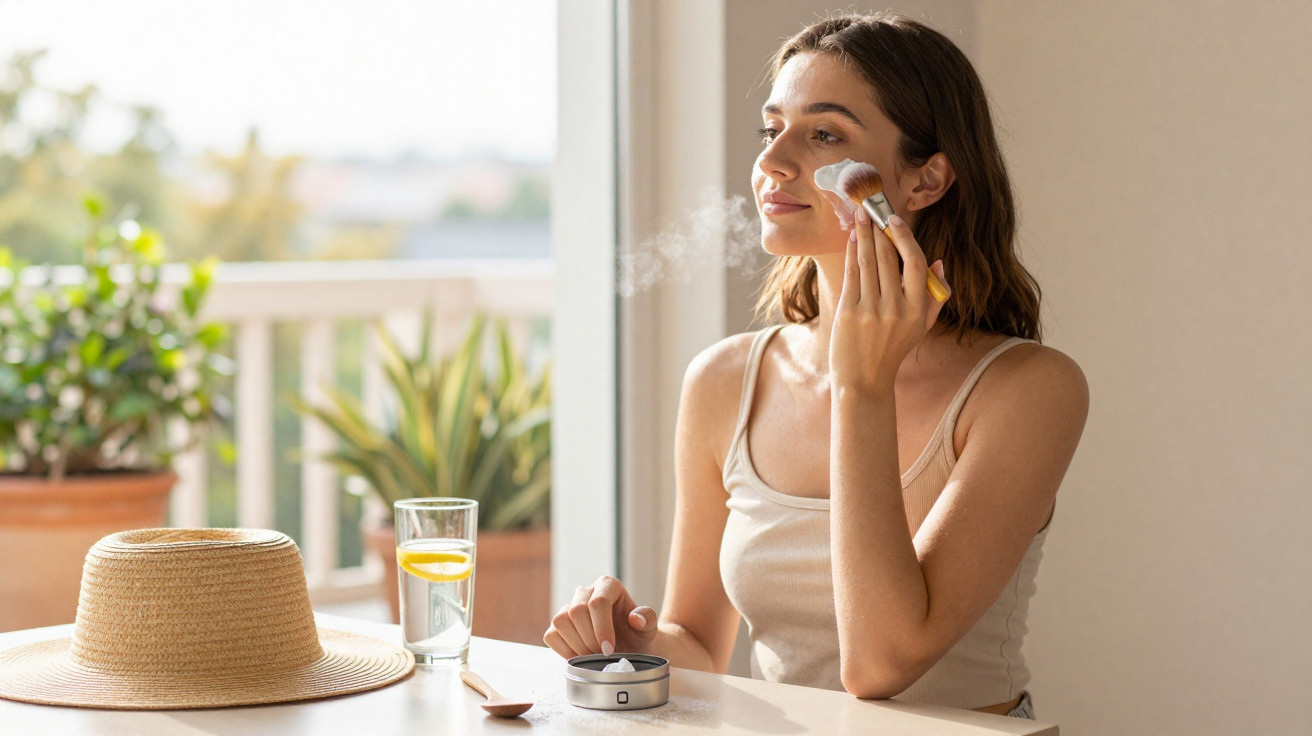
| Natural deodorant creams | Starch, bicarbonate of soda and oils bind moisture and odour | Fans of natural cosmetics, sensitive skin |
| Medical treatments | Botulinum toxin or surgery to inhibit sweat glands | Severe hyperhidrosis, medically diagnosed |
One important point: “natural” does not automatically mean risk-free. Bicarbonate of soda can irritate skin, and essential oils can trigger allergies. If you change products, keep an eye on the underarm area during the first few days.
How much aluminium from other sources matters
Deodorant often gets the spotlight, yet in many cases the larger share of exposure comes from diet and the kitchen. A few everyday pitfalls are easy to reduce:
- Do not bake strongly acidic or salty foods in aluminium foil, or store them in it.
- Avoid uncoated aluminium cookware, or use it rarely for these types of dishes.
- For baking mixes and processed foods, check ingredient lists from time to time.
If you drink and eat a lot of tea, cocoa or baked goods, you will already carry a certain baseline intake. In that context, being more intentional with antiperspirant deodorants can noticeably improve your personal balance-without making day-to-day life complicated.
How to interpret alarming terms in studies properly
When studies mention aluminium alongside words such as breast cancer, dementia or “neurotoxic”, it can sound immediately dramatic. Often, however, these findings come from laboratory experiments or animal studies using doses far higher than anything typical in everyday life.
Experts draw a clear line between a risk that is theoretically possible and a risk that meaningfully affects real life. At present, the evidence is not strong enough to classify antiperspirant deodorants, when used normally, as a major hazard. If the idea still makes you uncomfortable, you can adjust your habits-not out of panic, but based on an informed gut feeling.
Ultimately, aluminium in deodorant comes down to personal trade-offs: How much do I actually sweat? How much does the thought of the metal bother me? And where in my routine is it easiest to reduce overall intake a little? If you answer those questions honestly, you will usually arrive quickly at a routine that supports both health and peace of mind.

Comments
No comments yet. Be the first to comment!
Leave a Comment