
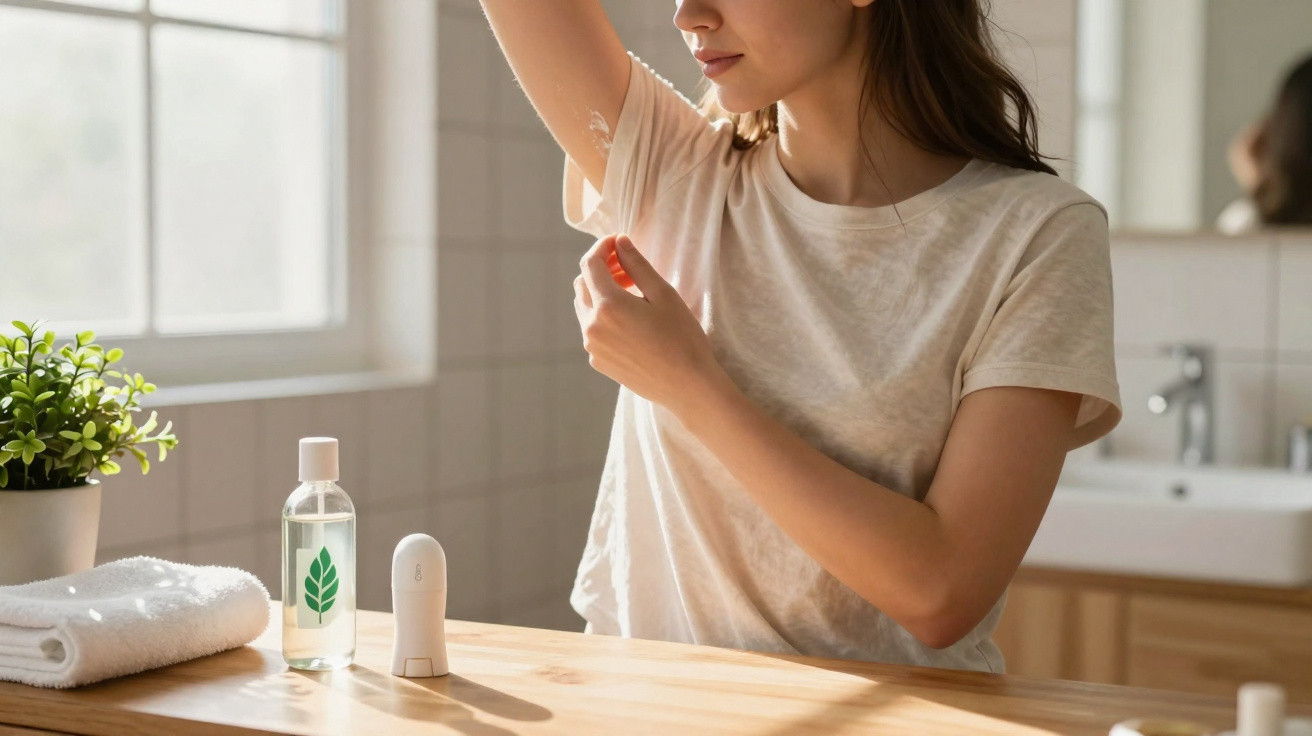
A white patch that shows up right in the underarm area does not automatically mean your clothes were washed badly. In many cases, it starts with your own care routine: using too much antiperspirant, applying it to damp skin, and letting the fabric touch the area before it has dried all encourage a build-up of residue that is hard to ignore.
Why does antiperspirant leave white marks?
Antiperspirants rely on aluminium salts to temporarily reduce how much sweat comes through the ducts of the sweat glands. If you apply a heavy amount, or pull on your top before the product has dried, part of the formula can transfer straight on to the fabric, leaving a pale deposit.
Over time, with repeated use, these ingredients can combine with sweat, natural skin oils, and traces of detergent trapped in the fibres. On dark clothing, this usually shows up as chalky-looking white marks. On lighter items, the build-up can contribute to more yellowish discolouration over the long term.
Is putting it on in the morning a mistake?
Applying antiperspirant immediately after a hot shower, or while the underarm area is still damp, makes it harder for the product to adhere properly. Because sweating is often heavier during the day, some of the formula may also run or sit on the skin’s surface, increasing contact with clothing and raising the risk of irritation.
Dermatologists generally advise applying antiperspirants at night, on completely dry skin. During sleep, sweat production tends to be lower, which helps the aluminium salts work within the ducts. In the morning, you can wash the area, following the guidance given on the product label.
How can you prevent residue on clothes and skin?
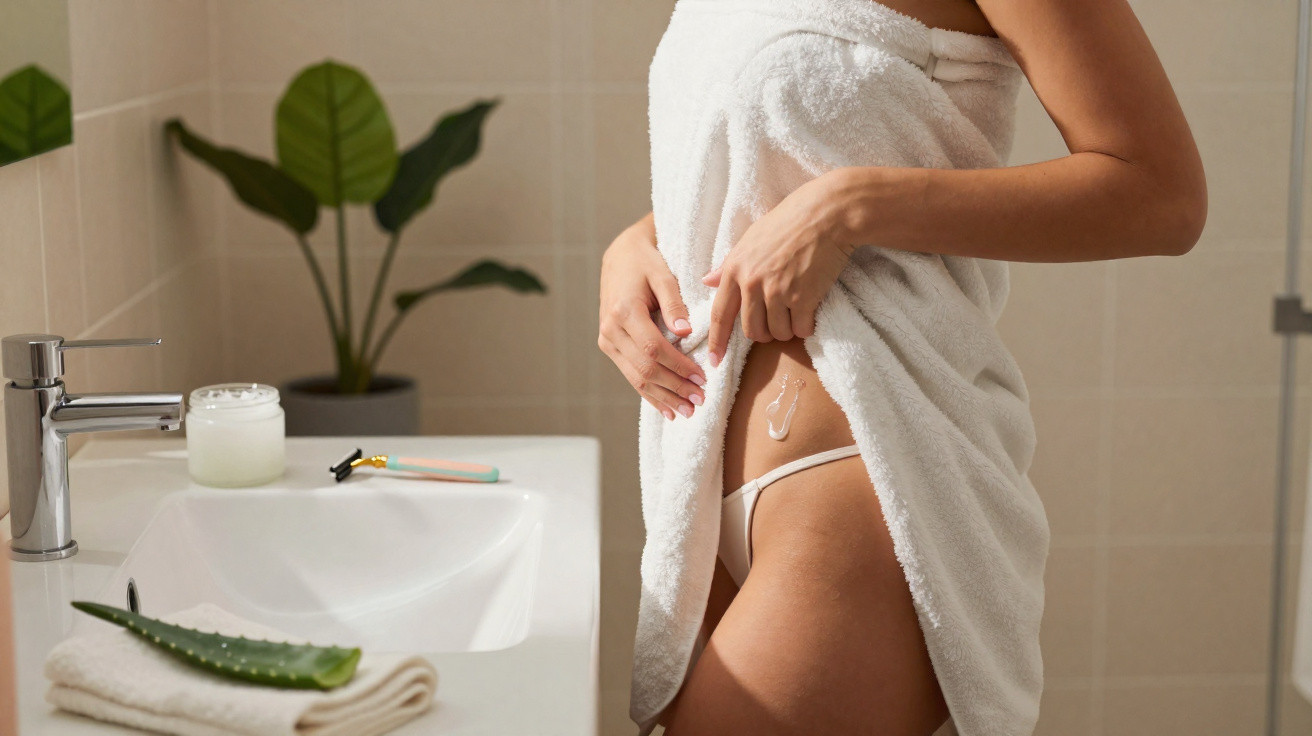
Fixing the problem is not only about switching brands. Small changes to how much you use, when you apply it, and how you prepare the skin can significantly reduce marks. Before applying, make sure the underarm area is clean, dry, and free from recent nicks caused by a razor, waxing, or other hair-removal methods.
- Apply a thin layer, without going back over the same area repeatedly;
- Wait for the product to dry before getting dressed;
- Use antiperspirant at night, on dry skin;
- Avoid applying straight after removing underarm hair;
- Wash the area in the morning when the manufacturer advises.
Using more product does not mean you will get more protection. Any excess stays on the surface and is more likely to rub off on to fabric. It is also worth avoiding vigorous scrubbing to remove residue, as repeated friction can make the area more sensitive, cause stinging, and leave the skin more prone to irritation.
You can also watch the video shared by the YouTube channel Make Do in Your 50s – Recipes and Tips, which shows how to remove white marks on clothing caused by deodorant.
Could aluminium-free deodorant be an alternative?
Deodorant and antiperspirant are not exactly the same thing. Deodorant mainly targets odour, while antiperspirant reduces moisture. On cooler days or when you are not very active, a formula without aluminium salts may help cut down the white build-up on clothes.
That said, switching may not manage sweating in the same way. People who sweat heavily should weigh up their comfort and avoid stopping any treatments recommended by professionals. Aluminium-free products can also include fragrance, alcohol, or other ingredients that may irritate sensitive skin.
When do the marks suggest your skin needs attention?
Beyond the annoyance of stained clothing, redness, itching, flaking, and stinging can point to irritation or an allergic reaction to something in the formula. In that situation, it is important to stop using the product and seek advice from a dermatologist-particularly if symptoms continue, get worse, or return after every application.
Do not wait until your underarms become painful before adjusting your routine. Start today by using less product, always on dry skin, and pay attention to how your body responds. A simple change in timing and quantity can protect your clothes, reduce irritation, and turn an automatic habit into genuinely effective protection.

Comments
No comments yet. Be the first to comment!
Leave a Comment