
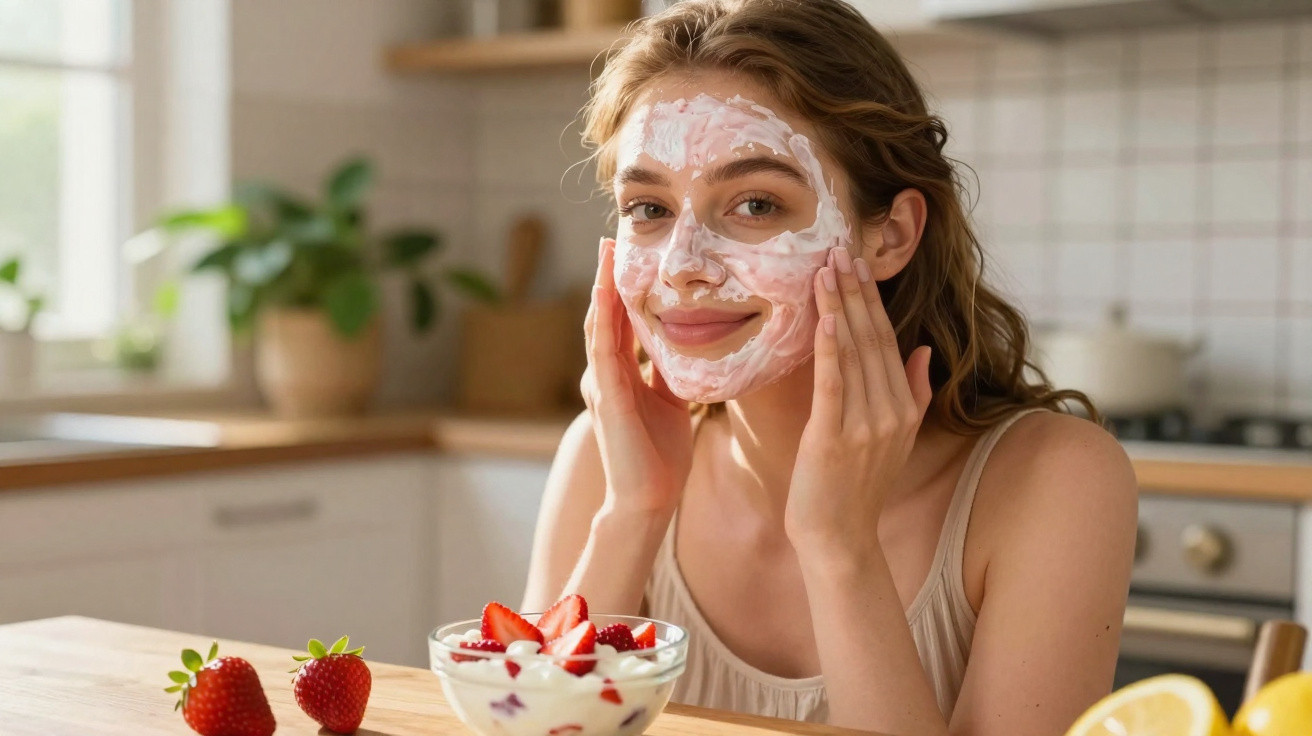
The strawberry and yoghurt mask has become one of the most talked-about DIY recipes for anyone wanting brighter-looking skin, making use of lactic acid and vitamin C without turning to harsh procedures.
How can the strawberry and yoghurt mask revitalise the skin?
In colder weather, skin often loses some of its natural radiance because the air is less humid and hot showers are more common. In that context, the strawberry and yoghurt mask is a straightforward option for bringing back a healthier-looking complexion.
What makes the pairing stand out is the combination of vitamin C from strawberries with the lactic acid found in plain natural yoghurt. Together, they encourage gentle surface renewal, creating a brightening result often referred to as a “Cinderella-effect peel”.
How do lactic acid and vitamin C work on the skin?
Lactic acid provides a mild chemical exfoliation, helping lift away dead skin cells without causing intense irritation. This can support a smoother, more even texture and improve the look of dullness.
Vitamin C, in turn, acts as a strong antioxidant, helping to tackle free radicals and supporting a more luminous appearance. Used together, they may also soften the look of minor unevenness and enhance the skin’s natural glow.
What care steps help maximise the recipe’s benefits?
Even though it is a natural recipe, the mask should not be used every day. Generally, one or two applications per week are enough to keep the skin looking refreshed.
It is also important to use sunscreen during the day, as any skin-renewal process increases the need for protection from UV rays.
How to make the strawberry and yoghurt mask at home
Preparation is quick and uses easy-to-find ingredients. Before applying, cleanse your face thoroughly and patch test on a small area of skin to check for any sensitivity.
To make it properly, follow these steps:
- Mash 2 ripe strawberries.
- Combine with 1 tablespoon of plain natural yoghurt with no added sugar.
- Spread a thin layer over clean facial skin.
- Leave on for 10 to 15 minutes.
- Rinse with cool or lukewarm water and finish with moisturiser.
Who should avoid this home treatment?
Anyone with an allergy to strawberries, milk, or dairy products, as well as people with wounds, dermatitis, or active irritation, should avoid this type of recipe unless advised by a professional.
If you experience strong stinging, persistent redness, or discomfort while it is on the skin, the guidance is to remove the product immediately and stop using it. If you are unsure, a dermatologist can recommend the most suitable option for your skin type.



Comments
No comments yet. Be the first to comment!
Leave a Comment