
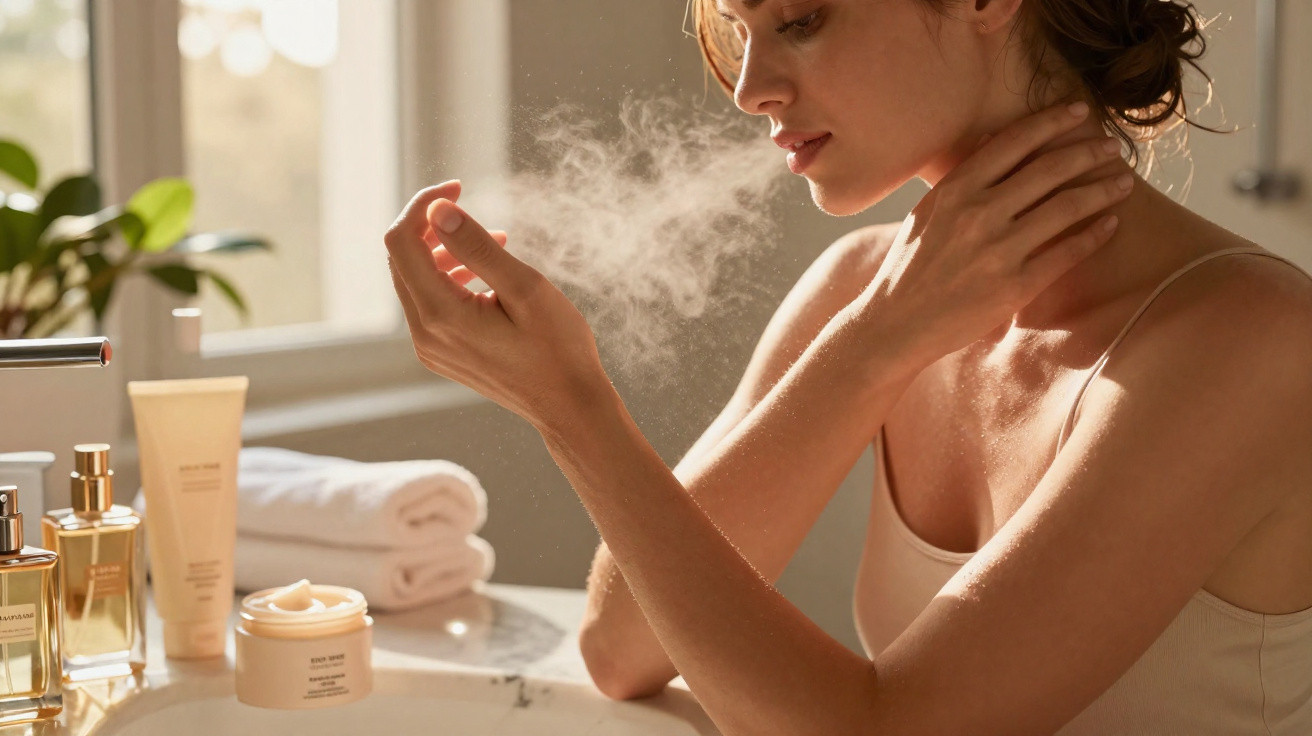
The solution isn’t sorcery. It comes down to planning, skin science, good timing-and a handful of professional tricks.
Fragrance lovers in Britain tend to want a scent that lasts, without leaving a foghorn trail. Perfumers say wear time is decided before the first spray and supported by the small routines most of us overlook. Below is a practical, updated guide drawn from the working habits of people who formulate scent for a living.
Why scent disappears faster than you think
Perfume moves through stages of volatility. Sparkling top notes lift off first; deeper woods, resins and musks tend to hang around. Your skin, the weather and your day-to-day habits can shorten or extend that journey. Dry skin absorbs perfume quickly. Warm temperatures speed evaporation. Coarse or abrasive fabrics can scrape aroma molecules away from pulse points.
Longevity loves three things: moisture, low heat, and minimal friction. Feed those, and your fragrance lasts.
There’s another variable people forget: what’s going on inside your body. Diet and medication can alter natural skin odour and affect how a fragrance develops. Spicy food, retinoids and even stress hormones may change projection. You can’t control every factor, but you can tilt things in your favour.
Pre-spray prep that changes everything
Hydrate, then seal
Perfume grips better on hydrated skin. Post-shower, smooth on an unscented moisturiser, then add a light layer of body oil to pulse points. If you want extra staying power, dab a rice-grain amount of petroleum jelly where you plan to spray. That occlusive layer slows down evaporation.
Choose kinder shower habits
Scalding water and strong cleansers strip skin lipids, which usually reduces wear time. A lukewarm shower and a gentle, low-foam wash help protect the skin barrier-and that supports longer-lasting fragrance.
- Apply unscented lotion to the chest, wrists and neck before you spray.
- Give products two minutes to absorb, then apply perfume.
- On long-wear days, don’t aggressively scrub your pulse points.
- Avoid scented body creams if they fight with your chosen fragrance.
How, where, and how much to spray
Target the right areas
Aim for warm areas that don’t get rubbed constantly: the inner elbows, behind the knees, the sides of the neck, and the small of the back beneath clothing. Spraying the back of the neck helps your sillage as you walk. Applying to the torso under a top creates a slow, more private trail.
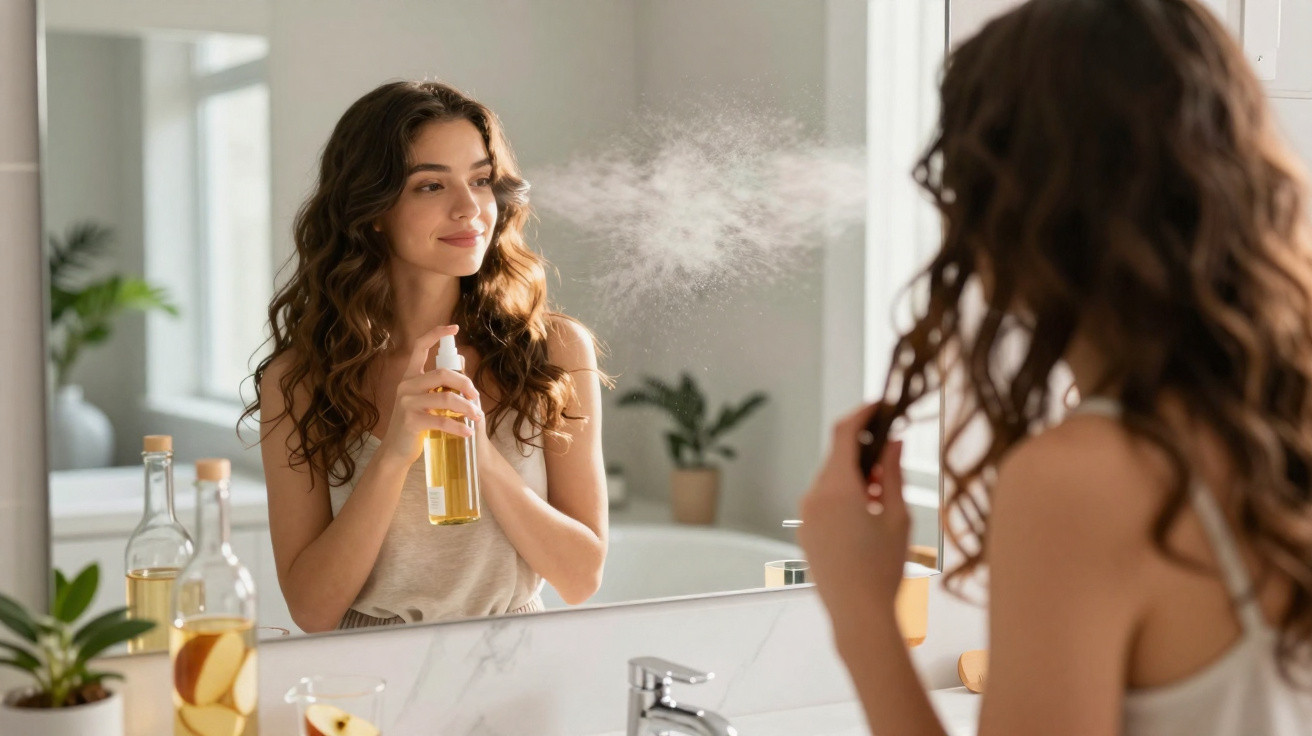
Hair can hold scent well. Spray once above your head and walk into the mist, or lightly scent a scarf instead. Try not to drench hair directly, as alcohol can dry the hair shaft. Fabric choice matters too: wool and cashmere tend to hold fragrance; silk and acetate can mark, so test from a distance first.
Never rub wrists. You crush top notes and create heat that speeds evaporation. Tap lightly if you must.
Layer without noise
Many professional noses add a subtle base to support the main scent. Start with a neutral body oil, then apply your perfume. If there’s a matching lotion, it can help-just use a restrained amount to avoid overload. A quieter trick: combine a citrus or airy floral with a skin-scent musk oil. The musk extends the sparkle without changing the fragrance’s character.
Master the spray technique
Keep the atomiser about 10–15 cm from the skin. For daytime, two to four sprays is usually enough; for evening, add one at the back. If you enjoy the cloud method, spray once into the air and step through it. For something close and intimate, spray inside your blazer or cardigan.
Pick formulas that play the long game
The baseline is set by concentration and structure. Amber materials and resinous woods tend to linger, while citrus and green notes often shine early and fade unless they’re well anchored.
| Format | Typical wear time | When it shines |
|---|---|---|
| Eau de cologne | 1–3 hours | Hot days, quick refresh |
| Eau de toilette | 3–5 hours | Office, light projection |
| Eau de parfum | 6–8 hours | All-round use, balanced lift |
| Extrait/parfum | 8–12 hours | Evening, cooler weather |
| Oil perfume | 6–10 hours (close to skin) | Travel, discreet wear |
Modern fixatives such as Ambroxan, Iso E Super and musks can extend longevity without adding heaviness. If you love bright citrus, look for blends that place lemon or bergamot over cedar, vetiver or amber. If florals are your thing, seek jasmine or rose supported by patchouli or sandalwood in the base.
Refresh without overwhelming the room
Pack a 5–10 ml travel spray. One soft spritz on a fresh spot-such as the back of the neck or inside the elbow-can extend wear without piling too much into one area. If you’ve been exercising, refresh fabric rather than skin. A quick mist on a scarf can bring your trail back to life.
Timing helps, too. Reapply after lunch when your skin has cooled, not seconds before a crowded meeting. In warmer weather, use fewer sprays and rely more on fabric placement to avoid an over-loud bloom.
Storage that saves your scent
Perfume breaks down faster with heat, light and humidity. Store bottles in their boxes, away from windows and steamy bathrooms; a cupboard is ideal. When travelling, decant a small amount and keep the main bottle at home. Close caps firmly-air exposure accelerates oxidation, which can flatten bright notes.
Most perfumes are at their best within the first two to five years, although dense ambers can last longer. If the colour deepens towards orange or you notice a vinegary edge, it’s a sign the juice has turned.
Troubleshooting by skin type
On dry skin
Prioritise moisture. Use a ceramide-rich lotion, seal pulse points with body oil, then spray. Extraits and oil formats often perform particularly well on dry skin.
On oily skin
You might get bigger projection but a quicker burst of top notes. Use fewer sprays and choose woody or spicy bases for more consistent performance.
Hormones, stress and routines
When it’s colder, step up to richer concentrations. Under stress your skin can run warmer, so apply in lower-friction areas like the torso. If medication changes how your skin feels, sample oil-based versions of your favourite scent to help it cling again.
- Quick fix at noon: unscented hand cream on wrist, wait 60 seconds, one light spritz.
- Gym days: spray clothing and hair brush, keep skin application minimal.
- Sensitive skin: test behind the ear before wider use.
Smart combinations perfumers use for staying power
Pairing can add persistence without turning the scent loud. A bright cologne over a soft musk oil keeps lift while lasting longer. A fresh, dewy rose layered with sandalwood cream brings warmth without becoming heavy. Marine notes feel sturdier when backed by ambergris-style molecules such as Ambroxan.
For a simple workday routine: use a gentle shower gel, then an unscented moisturiser, then a bead of petroleum jelly on the elbows and behind the knees. Apply two sprays to the torso under a shirt and one at the nape. Add a scarf spritz for the commute. Mid-afternoon, refresh the inside of your blazer-not your neck.
The quiet secret: spray where skin warms slowly and fabrics move. Your trail becomes soft, steady, and lasts until evening.
Extra bits you’ll thank yourself for
Citrus and sun can be a tricky pairing. Oils such as bergamot, lime and bitter orange can be phototoxic at higher levels. Most modern perfumes are formulated at safe levels, but it’s still wise to avoid strong sun immediately after spraying exposed skin. Dark or resin-heavy juices can stain fabric, so test on a hem first. If you’re headache-prone, favour close-wearing oils or materials with softer diffusion.
Solid perfumes are convenient for travel, avoid airport limits, and sit close to the skin-useful in offices with scent policies. If you adore a fleeting summer splash, apply it as a topper over a neutral musk base. You keep the sparkle and regain hours of wear. And if you switch fragrances during the day, choose a shared note-musk, cedar or vanilla-so the change feels smooth rather than abrupt.
Comments
No comments yet. Be the first to comment!
Leave a Comment