

After 65, what happens in the bathroom can quietly become a health concern.
Skin behaves differently, energy levels vary more, and long‑standing habits can start to work against what the body now needs.
For many older adults, showering has traditionally meant one thing: every day, and as hot as it can be. Beyond 65, that routine may do more harm than good. Skin becomes less robust, steadiness can be less reliable, and a shower that once felt invigorating can sap energy or even set off health issues.
Why ageing skin needs a new hygiene rhythm
From the early 60s, the skin tends to make fewer natural lipids over time. These oils help hold moisture in and keep irritants out. As that protective layer thins, the skin loses water more readily and dries more quickly.
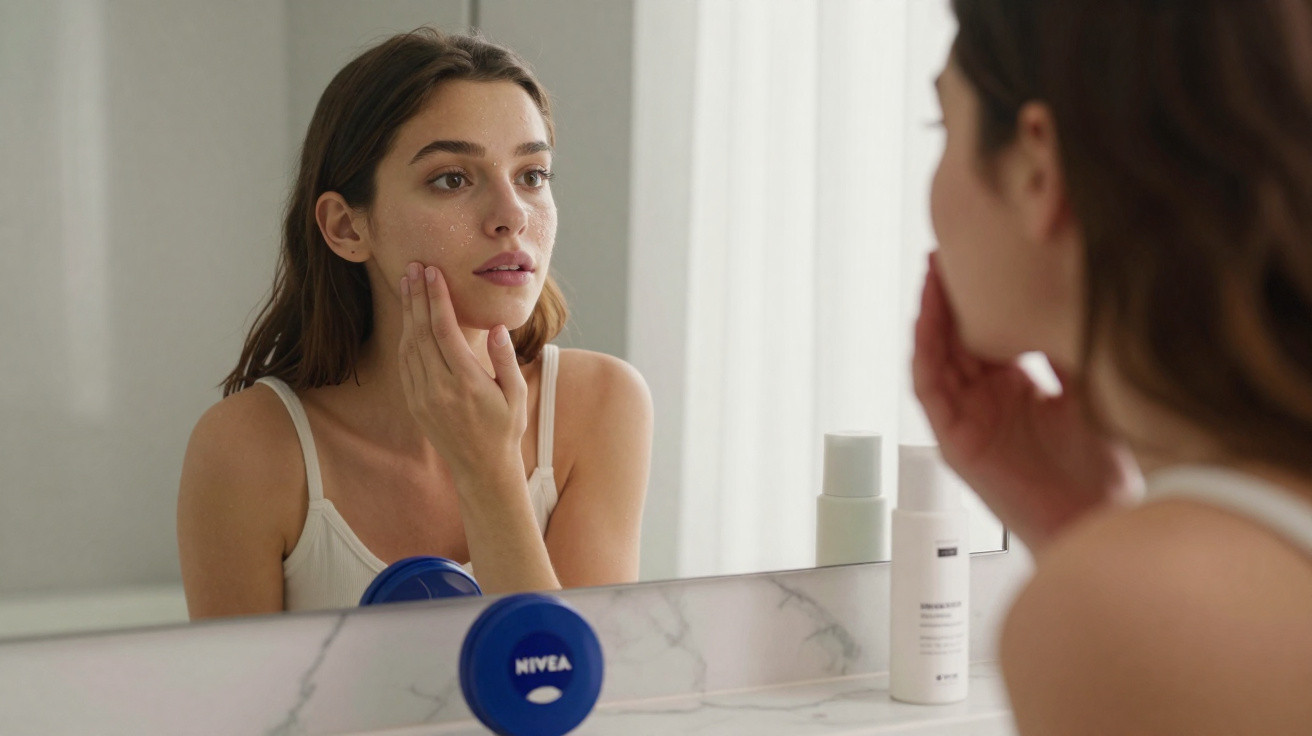
Alongside this, the outer layer of the skin often becomes finer and more delicate. It can react more sharply to hot water, foaming shower gels, strong soaps and abrasive towels. A wash routine that caused no trouble at 40 may leave the skin feeling tight, itchy, or develop tiny cracks at 75.
Frequent hot showers strip natural oils, weaken the skin barrier and raise the risk of dryness, irritation and small infections.
Because of this, dermatologists increasingly emphasise “gentle routines” for older adults. In practice, that usually means lukewarm water, keeping showers brief, and choosing mild, fragrance‑free cleansers. The aim is to stay clean without repeatedly stressing the skin.
How often should you shower after 65?
For many people aged over 65, having a full‑body shower every other day offers a sensible balance between feeling clean, staying comfortable and protecting the skin. Hardly showering at all can lead to odour and skin issues. Showering daily, on the other hand, can push things too far and leave the skin struggling.
On the days between full showers, a more focused wash is often enough. A quick “top-and-tail” routine can maintain good hygiene without the effort of stepping in and out of the shower so often.
A simple two-day rhythm that works in real life
On non‑shower days, many geriatric specialists suggest a brief, targeted wash at the sink. This typically covers:
- gently washing the face with lukewarm water and a mild cleanser if needed
- cleaning the armpits and intimate area using a soft flannel and gentle soap
- washing hands regularly throughout the day, ideally with a moisturising soap
Taken at a steady pace, this sink wash usually takes about five to ten minutes. It helps people feel fresh and maintain dignity, while avoiding the daily strain of a full shower.
A two-day rhythm with quick in-between washes often feels kinder to the body, kinder to the skin and easier to maintain.
The hidden risk: when the shower becomes an obstacle course
As strength and balance shift with age, the bathroom can quietly become one of the more hazardous places in the house. Undressing, stepping over the shower threshold, turning around, bending down and standing on wet flooring all require coordination and endurance.
For someone in their late 70s or 80s, that can be genuinely draining. Some people begin to miss showers simply because the whole process feels tiring or frightening. Families may not hear about it directly, but it often shows up as longer stretches between washes.
Small safety tweaks that change everything
Simple aids can lower anxiety and reduce the likelihood of falls. They can also make a regular shower routine workable again. Common examples include:
- a stable shower stool or chair to reduce time spent standing
- grab rails secured near the shower entrance and beside the toilet
- non‑slip mats placed inside and outside the shower tray
- a handheld showerhead to make washing easier while seated
These adjustments may seem minor, but they can transform the experience. When slipping feels less likely, many older adults are more willing to keep to a steady hygiene schedule.
Clean skin, clear mind: hygiene and social life
In later life, hygiene is about more than microbes. Comfort, smell and appearance are closely tied to confidence. When people feel clean, they often feel more relaxed about seeing friends, attending appointments or having visitors.
By contrast, noticeable odours or signs of neglect can quickly contribute to pulling back socially. Some older adults begin turning down invitations because they feel self‑conscious about how they look or smell. That can set off a knock‑on effect: fewer outings, less activity, more loneliness, and a higher risk of anxiety or depression.
Regular, manageable hygiene routines often act as a quiet anchor: they support self-respect, structure the day and keep the door open to social contact.
A workable pattern-such as showering every other day with quick washes in between-reduces the physical demand while keeping standards up. Combining that with clean clothing and regular bedlinen changes can further strengthen the sense of freshness.
Why bedlinen and clothes matter just as much
Because older skin is often more fragile, the fabrics in contact with it for hours at a time make a difference. Damp pyjamas, pillowcases that are rarely changed, or sweaty tops can trap bacteria and increase friction on the skin.
Straightforward habits-changing underwear daily, switching sleepwear every few nights, and replacing bedlinen roughly every one to two weeks-support comfort and skin condition. If someone sweats more heavily, doing this more often is usually sensible.
Special situations: diabetes, incontinence and skin conditions
Certain health issues mean the standard every‑other‑day approach may need tailoring. The priority remains the same: keeping skin clean and comfortable while minimising irritation.
| Situation | What to watch | Practical hygiene tip |
|---|---|---|
| Diabetes | Slow wound healing, risk of foot ulcers | Inspect feet daily, dry carefully between toes, avoid very hot water |
| Incontinence | Skin irritation, odour, infection risk | Gentle, frequent cleansing of the intimate area, use of barrier creams if advised |
| Psoriasis or eczema | Flare-ups triggered by irritants | Short lukewarm showers, medical moisturisers, routine agreed with a dermatologist |
People who are very frail or living with advanced dementia may not cope well with frequent full showers. In those situations, partial washes on most days-paired with a less frequent full shower-can keep hygiene on track with less upset.
Talking about washing without embarrassment
Relatives and carers often feel awkward about bringing up hygiene. Older adults may interpret the topic as judgement or an attempt to take control. Blunt criticism usually backfires and can increase resistance.
It tends to work better to use calm, practical wording. Emphasising comfort, skin protection and safety-rather than smell-often makes the conversation easier. Questions like “How tiring do you find showering at the moment?” or “Would a shower chair make things easier?” protect independence and point towards solutions.
Shared decisions about shower frequency usually work better than instructions. When older adults feel heard, they accept adaptations more readily.
Moisturising, timing and small rituals that help the skin
How often someone showers is only one part of good skin care. The steps taken before and after washing strongly influence how well the skin tolerates water and cleanser.
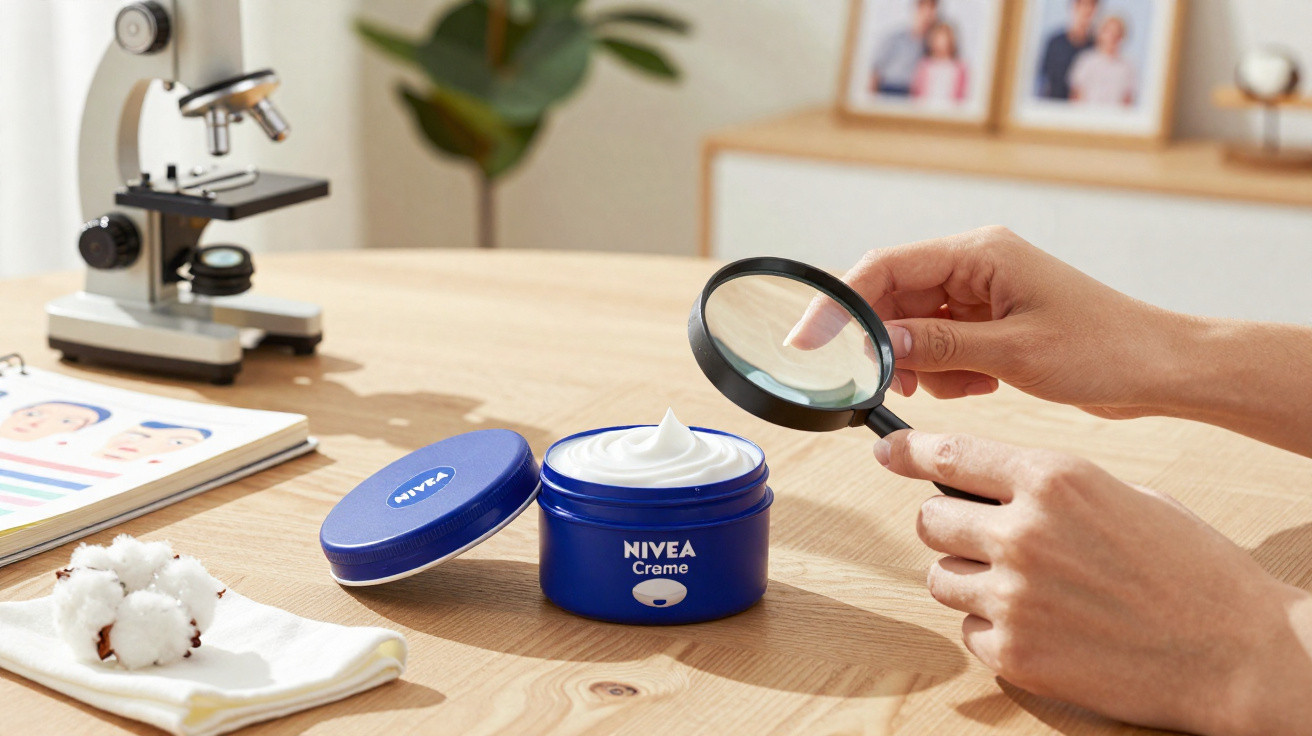
Many dermatologists recommend moisturising once or twice a day in older age, particularly on the legs, arms and back. Creams and lotions without heavy perfume are less likely to cause reactions. Putting moisturiser on within a few minutes of washing helps seal in the moisture left in the upper skin layers.
Keeping showers shorter-around five to ten minutes-and using lukewarm water reduces how long the skin is exposed to drying running water. Many older adults also do better showering at the point in the day when they have the most energy, whether that is mid‑morning or early evening, instead of sticking rigidly to an old routine.
Beyond the shower: broader routines that support wellbeing
After 65, personal care connects with other small routines. Trimming nails, gentle foot care, brushing hair, and using a light fragrance if it is tolerated can all enhance the sense of being “put together”. That feeling can make it easier to go for a walk or accept a social visit.
Some geriatric teams now offer “care check-ups”, where a nurse or therapist reviews bathroom routines with the older person. They consider how long showering takes, when tiredness appears, and which movements feel unsafe. They then suggest tailored changes, such as switching soap or repositioning shelves so items are within easy reach.
For families, changes in shower habits can serve as a subtle indicator of health. If a parent who used to wash regularly starts avoiding the bathroom, it may point to new pain, dizziness, low mood or early cognitive decline. Raising the change gently, and asking a GP to review things, often leads to helpful explanations.


Comments
No comments yet. Be the first to comment!
Leave a Comment